



How to Choose the Right Screening Equipment for Wet and Clay-Rich Aggregates?
Wet and sticky clay can make aggregate screening difficult. Moisture and fine particles may cause material to stick to screen surfaces, block openings and reduce screening efficiency. For quarry and mining operators, these problems can lead to inconsistent separation and lower production capacity.
However, different materials require different processing solutions. Some aggregates can be screened directly, while materials containing clay attached to sand particles may require additional washing or scrubbing.
In this guide, we explain the main challenges of screening wet and clay-rich aggregates, why conventional vibrating screens may struggle, and how HAMAC equipment can help address different material processing needs.
1. Understanding Wet and Sticky Material Screening Challenges
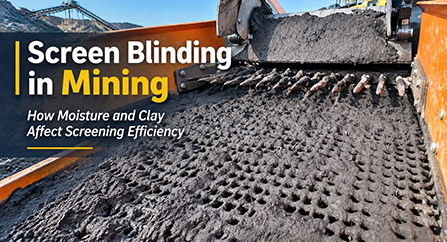
Wet and sticky clay is difficult to screen because moisture, fine particles and clay can combine to form adhesive material. This material may accumulate on screen surfaces, reduce open screen area and affect particle separation.
Several factors influence screening performance:
Moisture Content: Higher moisture can increase particle adhesion and contribute to screen blinding.
Clay Content: Sticky clay may attach to larger particles or accumulate around screen openings.
Particle Size: Fine particles and particles close to the required separation size can make screening more difficult.
Feed Rate: Excessive feeding may create thick material layers and reduce screening effectiveness.
Material Variability: Changes in moisture, clay content and particle size can affect equipment performance.
Screen Media: Aperture size, opening shape and screen surface characteristics influence material passage and buildup.
Understanding these factors helps operators identify the main screening challenges before choosing equipment.
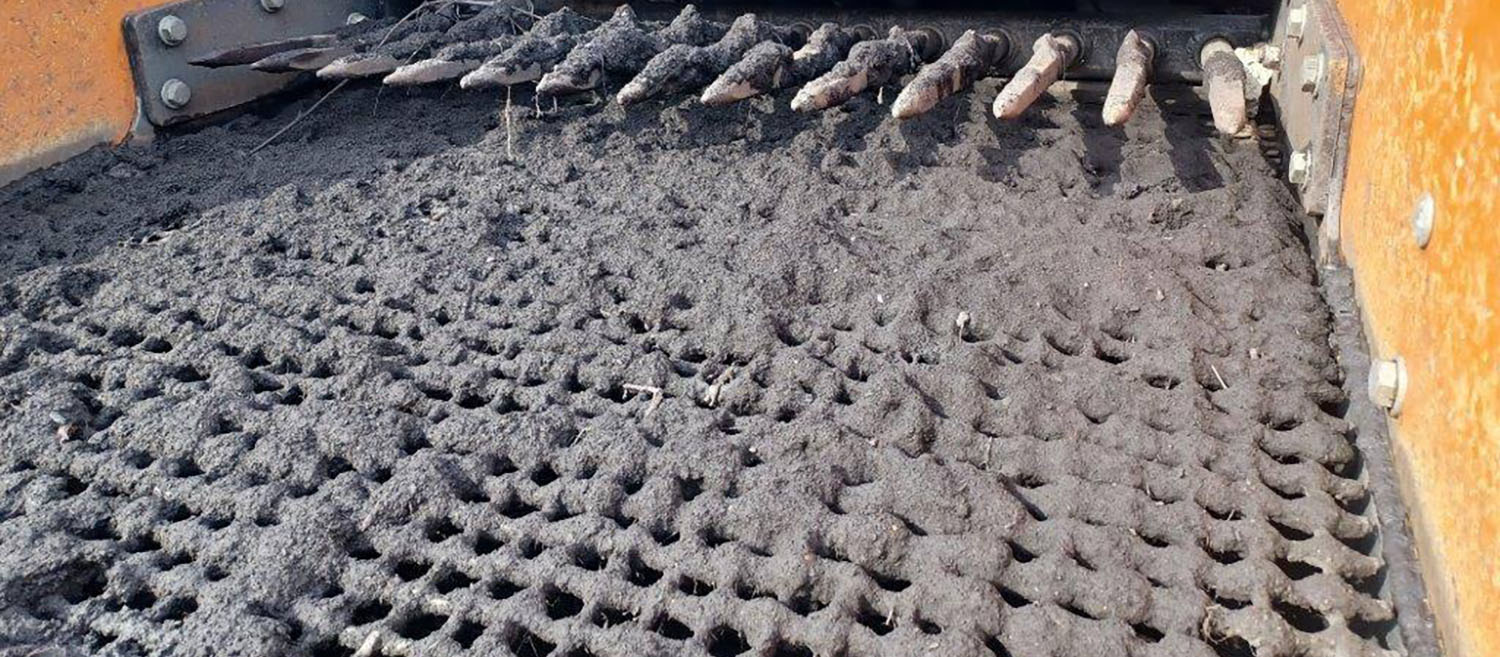
2. Why Conventional Vibrating Screens May Struggle with Wet and Sticky Clay
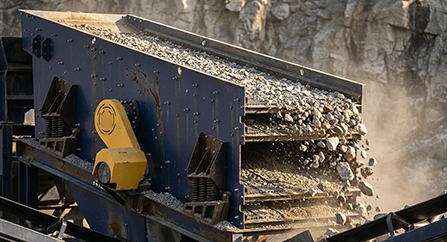
Conventional vibrating screens are widely used for classifying aggregates, sand and minerals. However, when moisture and clay content increase, material may accumulate on the screen surface or become trapped inside the openings.
Screen Blinding: Wet and fine particles cover screen openings, reducing the effective screening area.
Material Buildup: Sticky clay accumulates on the screen surface and interferes with material movement.
Reduced Separation Efficiency: Fine particles may remain attached to larger aggregates instead of passing through the screen.
Lower Processing Capacity: Material accumulation and blocked openings may reduce actual throughput.
Conventional vibrating screens can still perform well with suitable materials and operating conditions. Their suitability depends on moisture content, clay proportion, particle size and required processing capacity.
When Is Screening Alone Not Enough?
If the main requirement is separating particles into different sizes, vibrating screening may be sufficient. However, when clay and mud are attached to sand particles, washing or scrubbing may be necessary to improve product cleanliness.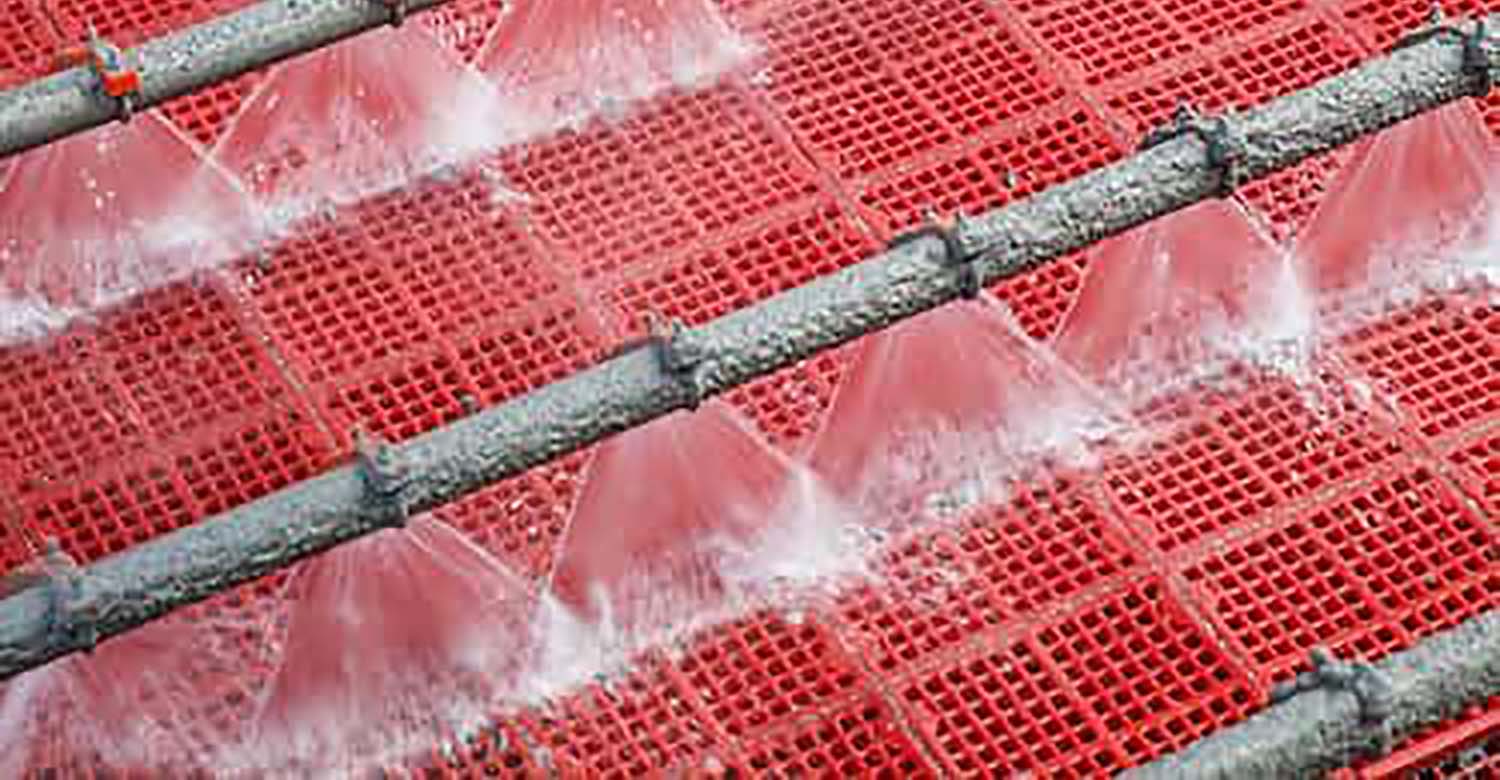
| Material Condition | Processing Requirement | Equipment to Consider |
|---|---|---|
| Relatively dry ores and aggregates | Particle size classification | Vibrating Screen |
| Viscous aggregates at mobile working sites | Mobile material separation | Tracked Screening Plant |
| Sand containing clay and mud | Washing and impurity removal | Sand Washing Machine |
| Washed sand with excess water | Moisture reduction | Dewatering Equipment |
For more information about screening equipment selection, see Metso's Guide to Choosing the Right Screening Equipment.
3. Which HAMAC Equipment Can Help Solve These Material Processing Problems?
Different material conditions require different equipment. HAMAC offers screening and washing solutions to address mobile screening requirements, aggregate classification and clay or impurity removal from sand.
3.1 HAMAC Tracked Vibrating Screening Plant – For Mobile Screening of Viscous Aggregates
When the challenge is separating viscous aggregates at different working locations, a tracked screening plant can provide a mobile processing solution.
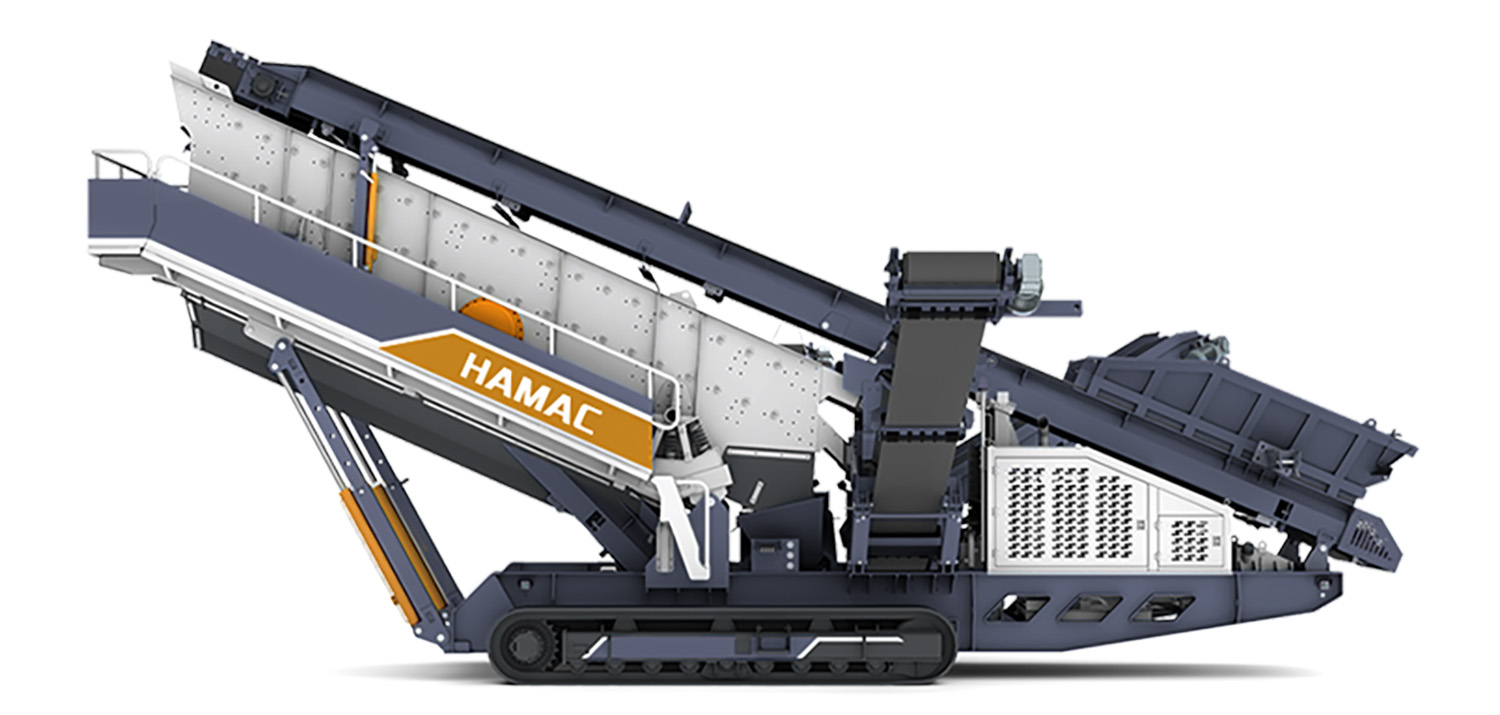
HAMAC lists viscous aggregate separation among the applications of its tracked screening equipment. Its crawler-mounted design allows the plant to move between working areas, while the pre-screening system helps separate material before further processing.
The MS-3618E model offers:
| Technical Specification | MS-3618E |
|---|---|
| Maximum Feed Size | 200 mm |
| Feeding Capacity | 350 t/h |
| Screen Dimensions | 1800 × 6000 mm |
| Number of Screen Layers | 3 |
| Published Processing Capacity | 200–500 t/h |
| Total Power | 68.5 kW |
Application Value: Suitable for evaluating mobile screening and viscous aggregate separation requirements. Actual performance with wet or clay-rich feed should be confirmed according to material conditions.
Learn more about the HAMAC Tracked Vibrating Screening Plant.
3.2 HAMAC YK Series Circular Vibrating Screen – For Conventional Aggregate Classification
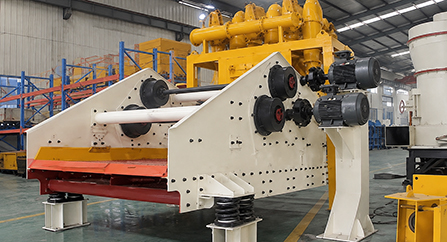
When the main problem is separating relatively dry ores and aggregates into different sizes, the HAMAC YK series circular vibrating screen provides a conventional classification solution.
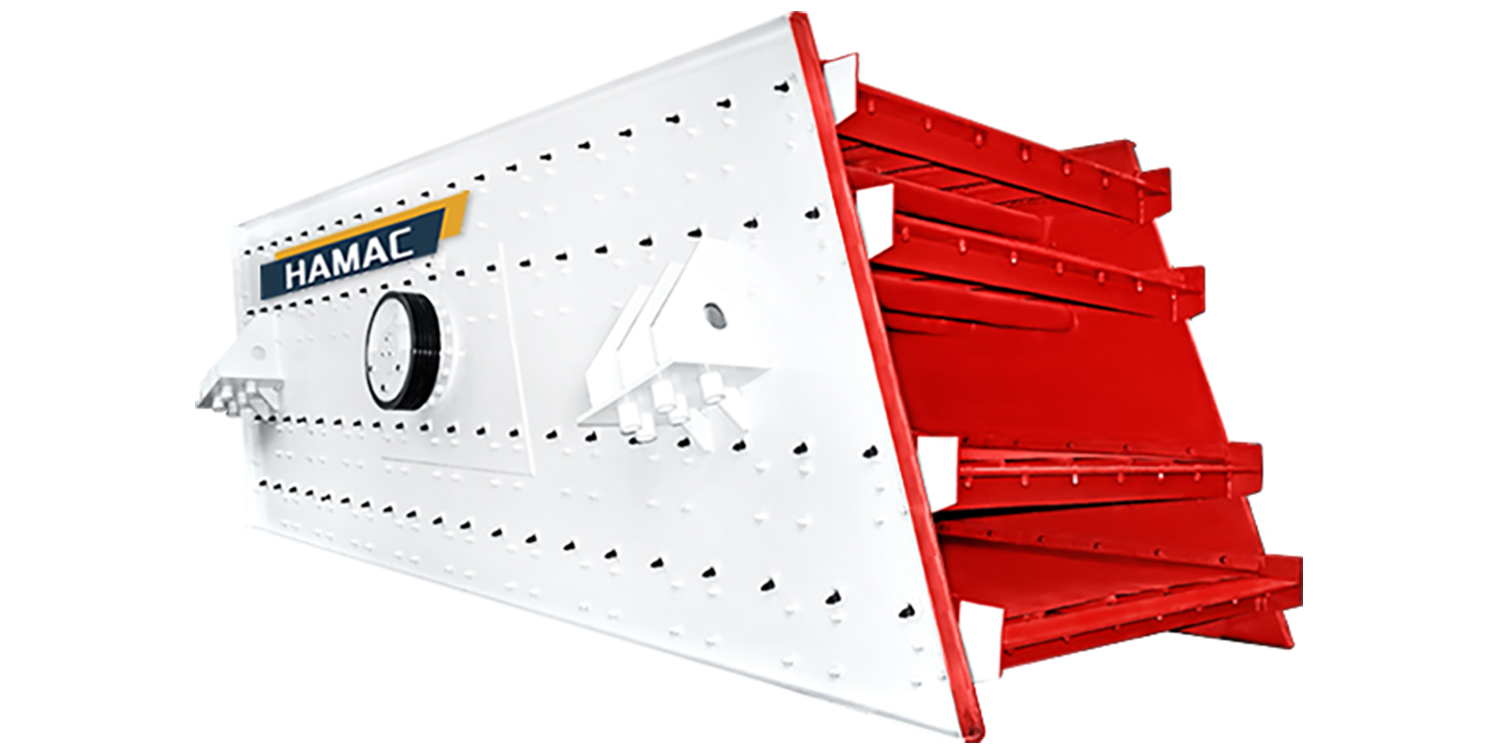
Its high-strength structure and large excitation force support material movement and screening. The YK series is designed for ores and rocks with moisture content below 5%, making it suitable for conventional aggregate and mineral screening applications.
For highly wet, sticky or clay-rich feed, additional material testing is necessary before selecting this standard vibrating screen.
Application Value: Helps classify suitable dry or relatively dry aggregates into different particle sizes to meet production requirements.
Explore the HAMAC YK Series Circular Vibrating Screen.
3.3 HAMAC Screw Type Sand Washing Machine – For Removing Mud and Impurities from Sand
When clay, mud and fine impurities are attached to sand particles, screening alone may not achieve the required product cleanliness. A washing process can help loosen and separate these contaminants.
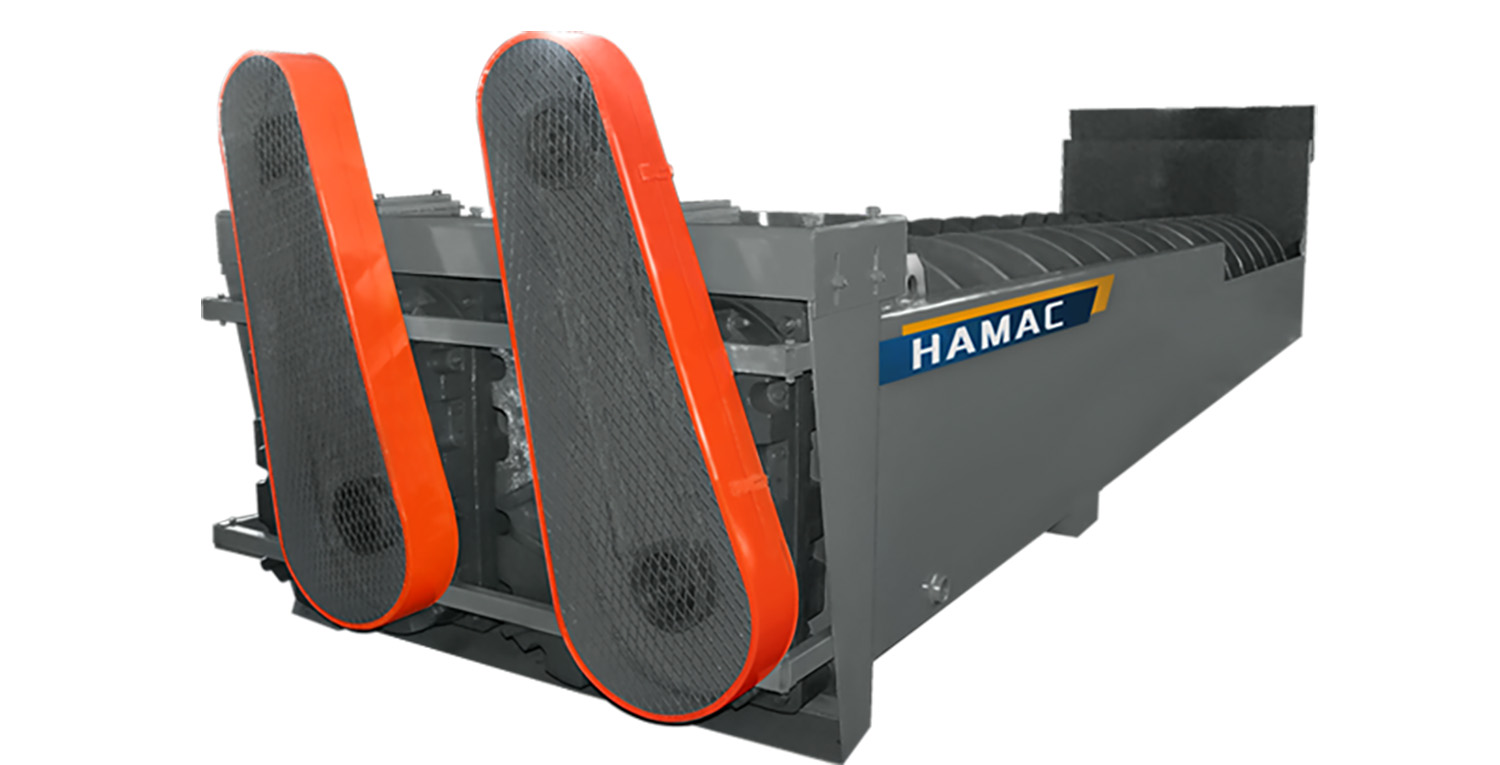
The HAMAC screw type sand washing machine uses rotating spiral blades to stir and wash sand. During operation, dirt and impurities are separated from the sand and carried away with the water, while the cleaned material is discharged from the machine.
The equipment combines washing, dewatering and grading functions.
| Technical Specification | Published Value |
|---|---|
| Maximum Feeding Size | ≤10 mm |
| Published Capacity | Up to 350 m³/h |
| Main Functions | Washing, dewatering and grading |
Application Value: Helps remove mud and impurities from suitable sand and gravel feed materials, improving the cleanliness of washed sand. For strongly attached clay or high-silt materials, a complete washing and scrubbing process may be required.
View the HAMAC Screw Type Sand Washing Machine.
Real Project Example: Manufactured Sand Washing Plant in Peru
In a HAMAC project in Peru, a quarry producer needed to process manufactured sand containing excess rock dust, quarry silt and fine clay coatings.
The plant combined twin-screw scrubbing, bucket wheel washing, hydrocyclone fines recovery, a dewatering screen and water clarification. The raw feed included 0–5 mm and 0–10 mm manufactured sand, with a target product of clean 0–5 mm construction sand.
This project demonstrates how washing, fines recovery and dewatering can work together when screening alone is not sufficient to meet finished sand quality requirements.
Read the HAMAC Manufactured Sand Washing Plant Case Study in Peru.
Frequently Asked Questions About Screening Wet and Clay-Rich Aggregates
Q1: Can conventional vibrating screens process wet and clay-rich aggregates?
It depends on the moisture content, clay proportion and screening conditions. HAMAC's standard YK series is specified for materials with moisture content below 5%. More difficult materials require a separate technical assessment.
Q2: How can clay be removed from sand and gravel?
When clay is attached to sand particles, washing or scrubbing may help separate the impurities. The required process depends on clay content, particle size and final product specifications.
Q3: Which HAMAC equipment is suitable for viscous aggregate applications?
HAMAC lists viscous aggregate separation among the applications of its tracked vibrating screening plant. Its suitability should be evaluated according to feed moisture, clay content and required processing capacity.
Q4: What is the difference between screening and washing?
Screening separates materials according to particle size, while washing removes clay, mud and other impurities. Some aggregate plants combine both processes to achieve the required product size and cleanliness.
Need a Screening or Washing Solution for Your Aggregate Project?
Send HAMAC your material type, moisture content, clay percentage, feed size and required processing capacity. Our team can help evaluate suitable screening and washing equipment for your application.
Email: sales21@hamac.cn
WhatsApp: +86 151 3623 6223
Website: www.hamacgroup.com