



Cone Crusher Liner Wear: Extend Liner Life, Cut Cost Per Ton
Cone crusher liner wear decides how often a plant stops to change a mantle and concave, and how much each ton of product costs. Most plants focus on the liner price, but wear is driven mainly by how the crusher is fed and set, not only by the alloy. This guide explains what drives cone crusher liner wear and gives six practical ways to extend mantle and concave life and reduce cost per ton.
What Drives Cone Crusher Liner Wear
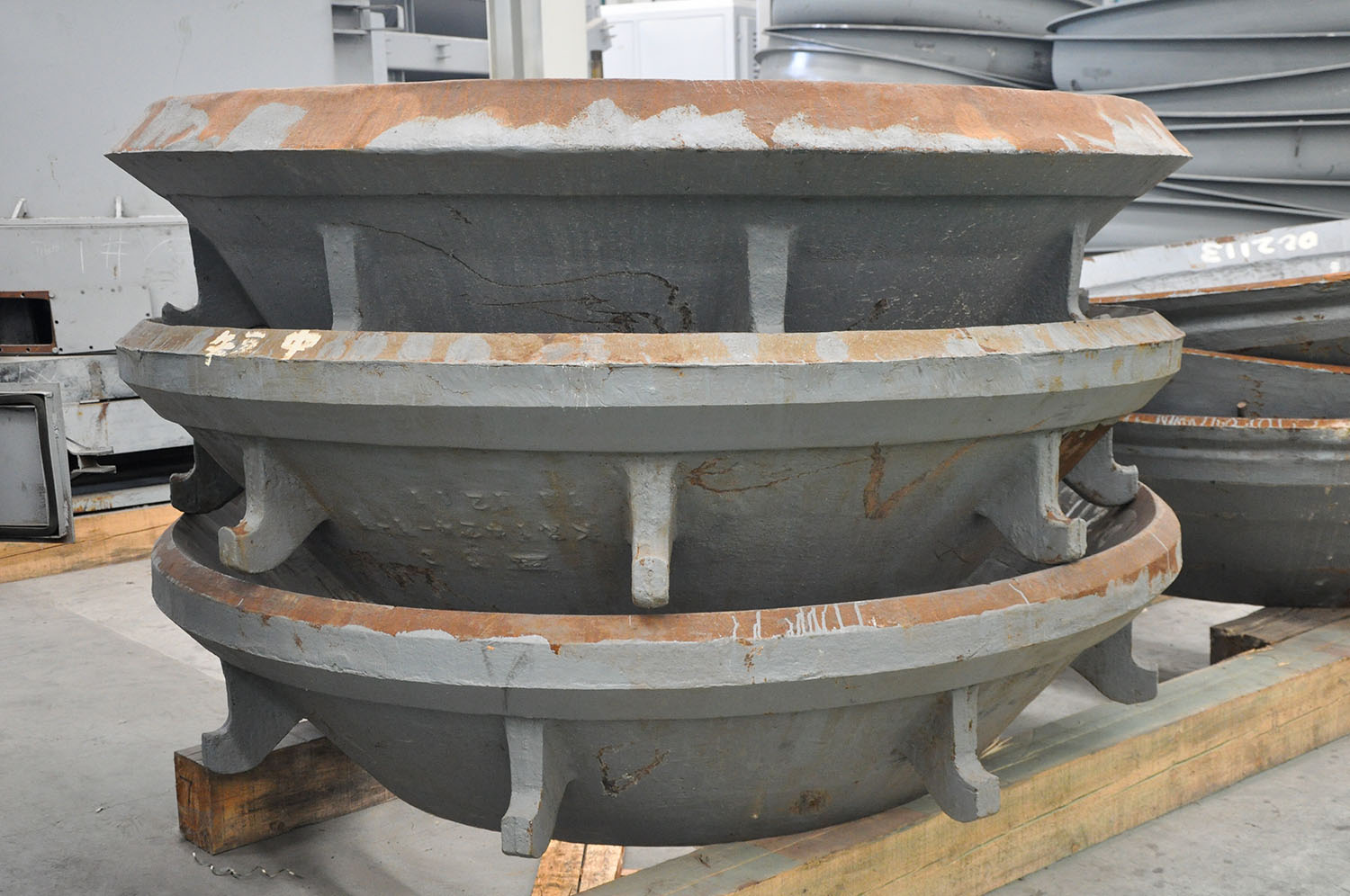
A mantle and concave wear through abrasion and impact. Manganese liners depend on Hadfield steel behavior, where the surface gets harder by work hardening under impact. In a cone crusher, wear concentrates in the lower chamber, and as the profile changes the closed side setting (CSS) opens, capacity falls and power draw rises.
Sandvik reports how much each driver can shorten liner life. These are OEM-reported figures and vary by crusher and site, but they show that feed and chamber matter more than alloy.
| Wear driver | Reported impact on life | Method that addresses it |
|---|---|---|
| Feed condition | Up to 70% shorter | Methods 1, 2 and 4 |
| Chamber and eccentric throw | Up to 50% shorter | Method 3 |
| Mantle selection | Up to 40% shorter | Methods 3 and 6 |
| Alloy and hardness | Up to 20% shorter | See the liner material guide |
| CSS and operating settings | Site dependent | Method 5 |
Six Ways to Extend Mantle and Concave Life
1. Choke feed the chamber. A full chamber lets rock crush rock and spreads wear over the liner. Starved or trickle feeding wears a narrow band and creates cupping. A common reference is to keep the chamber about 60-80% full. A steady motor current is a simple sign that feed is stable. The Metso GP application guide also notes that a distorted wear profile reduces capacity and raises power.
2. Distribute the feed evenly. Segregated or off-center feed causes one-sided wear and early replacement even when the rest of the liner is still thick. Use a feed box, splitter or rotating distributor and center the drop point over the head. See the Sandvik feed arrangement guide.
3. Match feed size to the chamber. Feed that is too small wears the bottom of the liner, according to McLanahan. Check the feed gradation against the chamber chart for your model, and review the chamber when the product or feed changes. For help, read the cone crusher chamber and CSS guide.
4. Remove fines and tramp metal. Fines pack the chamber, cause ring bounce and speed up bottom wear. Tramp iron cracks liners. Scalp the feed with a vibrating screen, and add a magnet and metal detector ahead of the crusher.
5. Control CSS and log tonnes per set. CSS opens as liners wear, so reset it on a schedule and record it each shift. Enco recommends tracking liner life in tonnes rather than weeks, because production changes. Use the recorded trend to decide when to change, with thresholds in the liner replacement cycle guide.
6. Change liners as a matched set and run them in. Mixing a new mantle with a worn concave, or the reverse, distorts the chamber and hurts CSS control. Run new liners at lighter load for the first hours so the surface can work harden; the HAMAC replacement guide suggests roughly 16 hours as a reference.
Read the Wear Pattern to Find the Cause
| Wear pattern | Likely cause | Method |
|---|---|---|
| Cupping or a narrow wear band | Chamber not full | 1 |
| One-sided wear | Segregated or off-center feed | 2 |
| Wear only at the bottom | Feed too fine or chamber mismatch | 3 and 4 |
| Ring bounce, vibration | Fines packing, CSS set too tight | 4 and 5 |
| Cracks, broken pieces | Tramp metal, wear-through | 4 and 5 |
| Glazed, polished surface | Too little impact to work harden | 3 and the liner material |
Photograph the liners at every changeout and match them to this table. Record the cause with the tonnes and the cost per ton for that set, so the next set can be compared.
FAQ
What causes cone crusher liner wear? Abrasion and impact from the rock, made worse by poor feed, a mismatched chamber, fines, tramp metal and drifting CSS.
How can I extend mantle and concave life? Choke feed, distribute feed evenly, match feed size to the chamber, remove fines and tramp metal, control CSS, and change liners as a matched set.
Why do my liners wear unevenly? One-sided wear usually points to segregated or off-center feed, and a narrow band points to a chamber that is not full.
How long do cone crusher liners last? It depends on rock, feed and settings, so track life in tonnes per set. HAMAC does not promise a fixed life; it recommends liners from your data.
How do I reduce liner cost per ton? Fix feed and chamber match first, record tonnes per set, and compare options on total set cost, labor and downtime divided by tonnes. See our operating cost per ton guide.
Get a Liner Wear Review from HAMAC
Send your crusher model, liner photos and tonnes per set to sales@hamacchina.com or WhatsApp +86 151 3623 6223, or use the contact page.