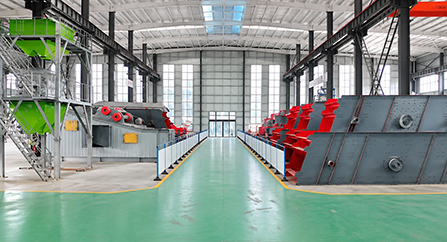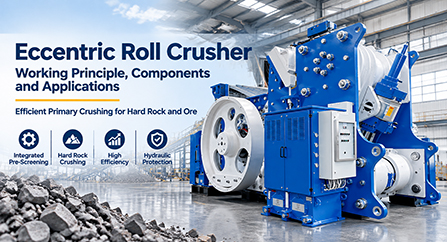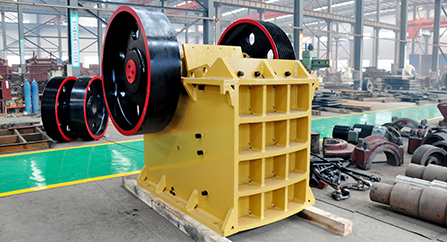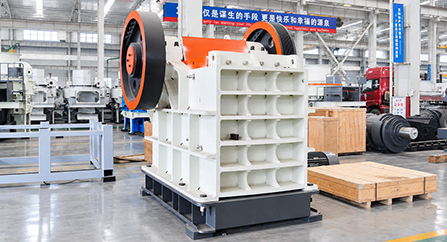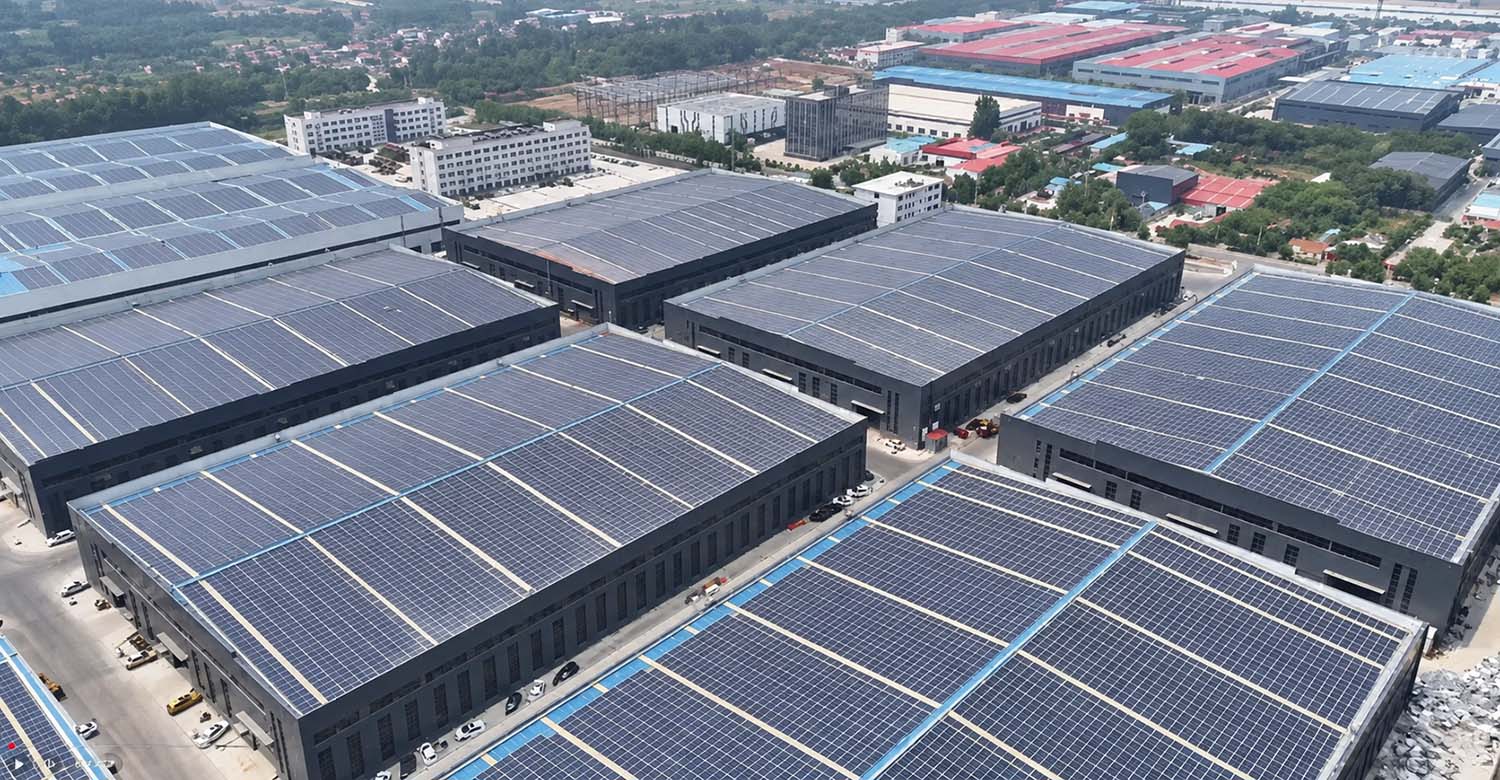
HAMAC designs and builds crushing and screening equipment for mining, quarrying, aggregate production and construction projects worldwide.
|
Factory Fact
|
Figure
|
What It Means for You
|
|
Total factory area
|
100,000 m² across 4 production bases
|
Stable, in-house manufacturing capacity
|
|
Years in the industry
|
20+ years (since 2005)
|
Proven process, not a startup workshop
|
|
Customer companies served
|
8,000+ in 180+ countries and regions
|
Track record across all continents
|
|
Overseas branches
|
15+ (Philippines, Indonesia, Peru, Ethiopia, etc.)
|
Local service within reach
|
|
Technical & service personnel
|
500+
|
Installation, training and after-sales support
|
The Six-Stage Manufacturing Process
Stage 1 — Steel Cutting
Every incoming steel plate arrives with a mill certificate stating its chemical composition, tensile strength and hardness. Each heat lot is verified, tagged and stored in controlled zones. Ten years from now, if a component ever needs to be traced back to its source steel, we can do it.
Heavy frame side plates and swing jaws are cut by CNC oxy-fuel flame cutting, which reliably processes carbon steel from 6 mm up to 300 mm thick and can cut welding bevels directly on the edge. Medium-thickness parts such as stiffeners, liners and hopper sections are cut by CNC plasma cutting for speed and edge quality. Main load-bearing frame plates run in the tens of millimeters thick, and high-wear zones use NM400-class abrasion-resistant steel plate. Cut tolerances follow the ISO 9013 standard, so weld fit-up quality is guaranteed from the very first operation.
Stage 2 — CNC Machining
A welded frame is only a blank. The machine's accuracy comes from machining. Frame bearing bores, flywheels, pulleys and eccentric shafts are all finished on large CNC machine tools — gantry machining centers, floor-type boring-milling machines and CNC vertical lathes.
The eccentric shaft is the heart of a jaw crusher, and ours follows a complete machining route: raw material cutting → forging → ultrasonic testing of the forging blank → rough turning → quenching and tempering → semi-finish turning → precision grinding → final NDT inspection → geometric tolerance inspection → warehousing. The result, per industry standard practice:
-
Material: forged 40Cr / 42CrMo alloy structural steel
-
Core hardness after quenching and tempering: HB 220–280
-
Journal surface hardness after induction hardening: HRC 45–52
-
Key journal precision: IT6 grade, surface roughness Ra ≤ 0.8 μm
-
Two rounds of UT (ultrasonic) flaw detection — once on the blank, once on the finished shaft
This level of machining accuracy directly determines vibration levels and bearing life in operation.
Stage 3 — Welding
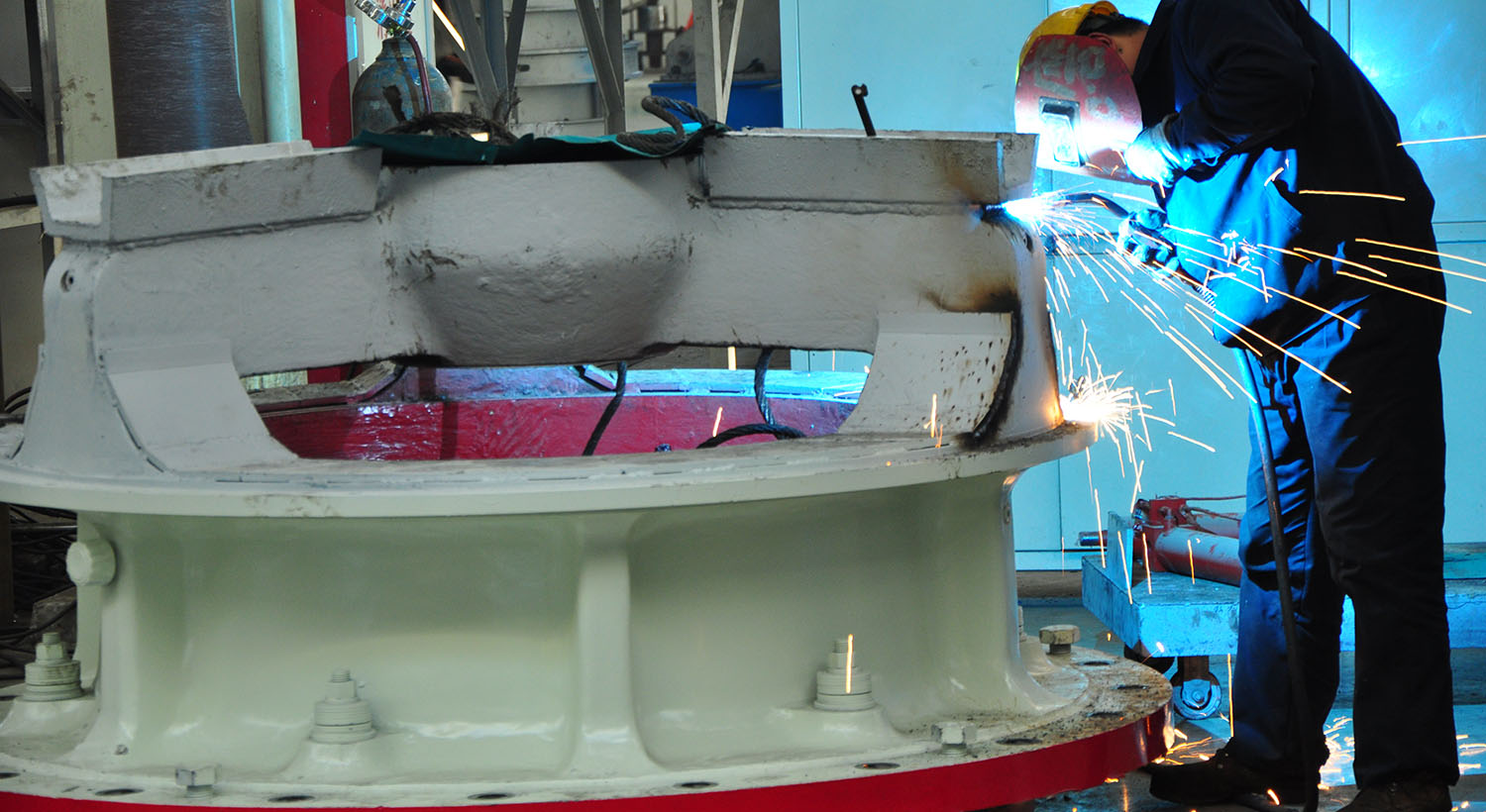
The frame is the skeleton of a crusher, and weld quality decides whether it lasts a decade or cracks in three years. In our workshop:
-
Welders are qualified under ISO 9606-1, the international standard for fusion-welding welder qualification testing
-
Frame main welds use gas-shielded arc welding (GMAW/MAG); long straight seams use submerged arc welding for deep penetration
-
100% visual inspection on all welds; critical load-bearing welds undergo non-destructive testing (UT ultrasonic / MT magnetic particle) at agreed ITP percentages
-
Weld quality levels are assessed per EN ISO 5817
One step most buyers never see, but every heavy-duty frame needs: after welding, the complete frame goes into the furnace for stress-relief annealing — typically 550–650 °C, held for roughly one hour per 25 mm of plate thickness, then slow furnace cooling. Only after the residual welding stresses are released do the frames go to final machining. That is why bearing bores stay in tolerance after years of vibration. Stress relief is an invisible cost — and a non-negotiable part of our process.
Stage 4 — Assembly
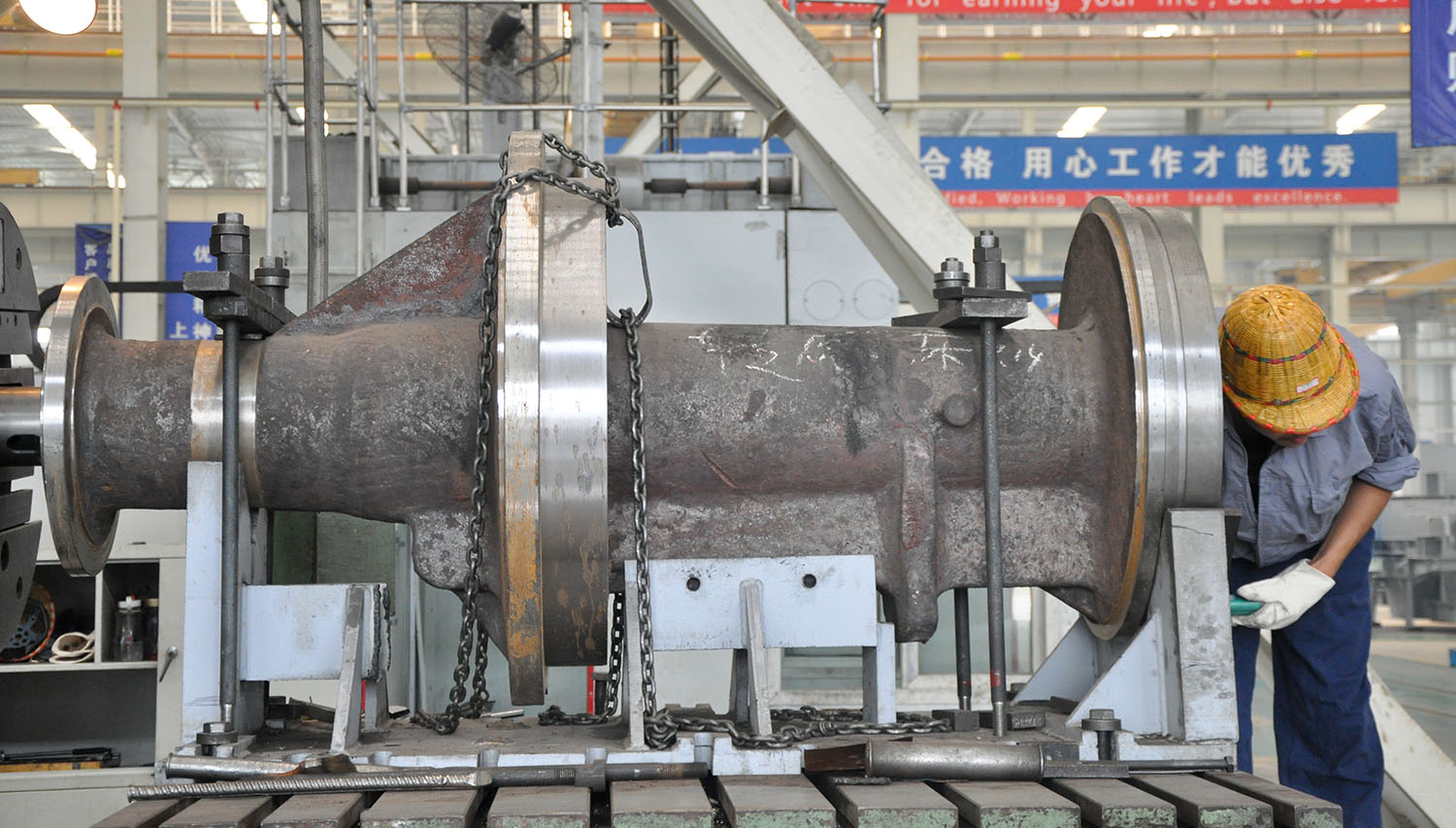
Bearings are mounted by controlled heating, gear mesh clearances are adjusted per machine, and every eccentric shaft, swing jaw assembly and lubrication line is assembled to documented process files. Each critical mating interface passes a fit-up check, and assembly records are archived with the machine's serial number — any unit can be traced back to its assembly details years later.
Stage 5 — Quality Inspection
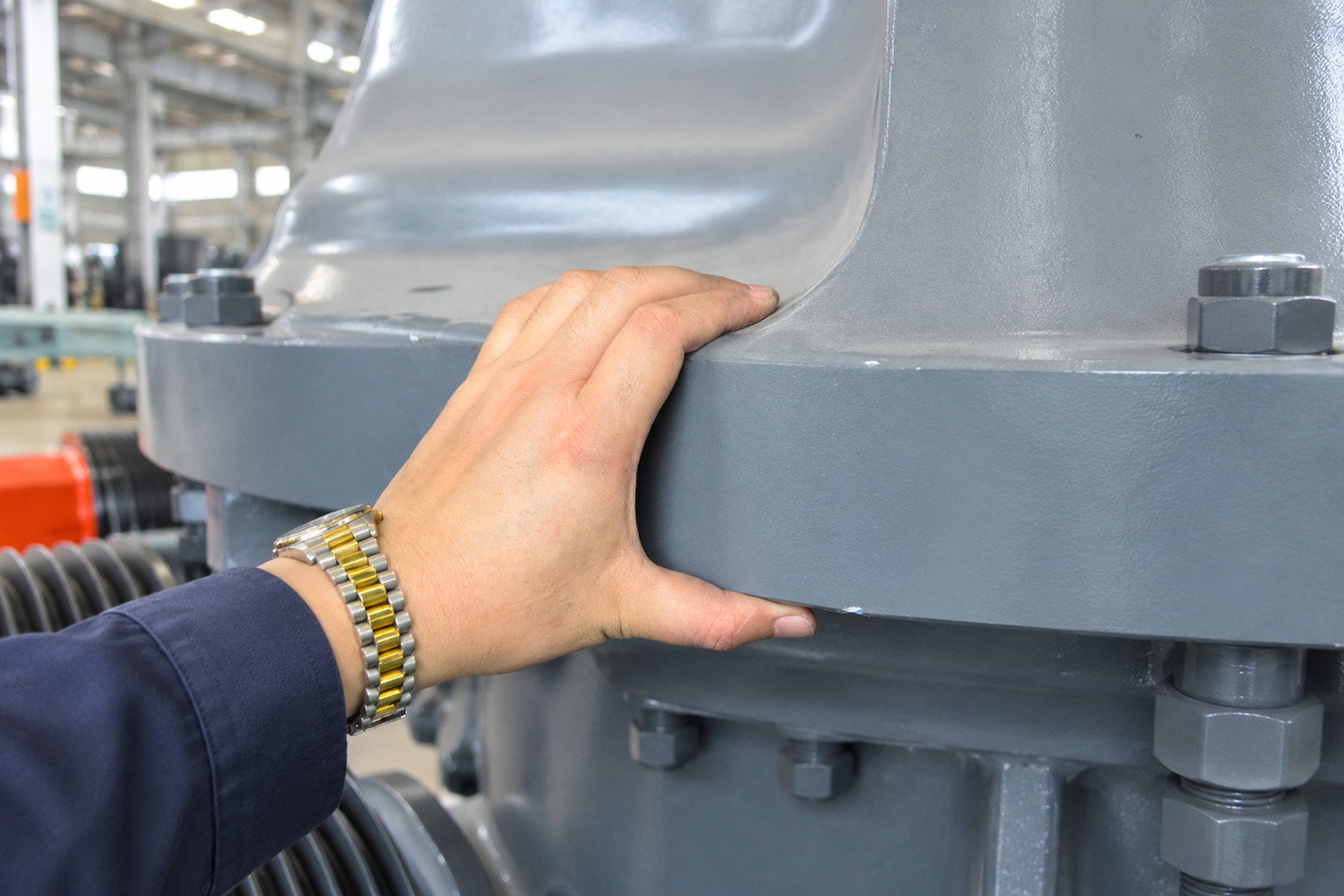
Final inspection follows a four-step release flow: verify stock against the purchase order → pre-delivery machine inspection → re-check against the packing list → scientific packaging and shipping. Key inspection items:
|
Component
|
Inspection Criteria
|
|
Eccentric shaft
|
40Cr/42CrMo forging; two UT inspections; core hardness HB 220–280; journal hardness HRC 45–52; IT6 journal precision; full geometric tolerance check
|
|
Jaw plates & liners
|
High-manganese steel (ZGMn13, optional Mn18Cr2) after water toughening; hardness tested before work-hardening occurs, so the reported value reflects the true as-shipped condition
|
|
Frame & welds
|
100% visual inspection, critical dimension inspection, fit-up checks, NDT at ITP-agreed ratios
|
|
Raw material
|
Mill certificate verification (chemistry, tensile strength, hardness), heat-lot identification, controlled storage, full traceability
|
|
Complete machine
|
Test-run records, key-dimension inspection records, packing list verification
|
All of it is documented: mill certificates, inspection records and test-run reports travel with the machine. If you appoint a third-party inspection agency such as SGS or BV before shipment, we fully cooperate. A factory that welcomes inspection is a factory worth ordering from.
Stage 6 — Test Run
After inspection, every machine runs a no-load test: continuous operation of at least 2 hours (4–8 hours for large equipment, per technical documents). The run is recorded in stages:
-
Start-up phase: starting current, initial noise, motor condition, belt tracking
-
Every 15 minutes: bearing temperature rise, vibration values, oil pressure and oil temperature — confirming the temperature curve flattens out
-
Final checks: vibration re-measurement, bearing axial float, fastener tightness, lubrication system stability
Acceptance criteria are explicit: bearing temperature rise ≤ 30 °C within the first 2 hours, maximum bearing temperature ≤ 75 °C, vibration and noise within design limits, flywheel running smoothly, discharge opening adjustment range on specification. Load tests follow per order agreement. The test-run record is signed by operations, maintenance and equipment management — and ships with your machine.
Crusher Specifications:
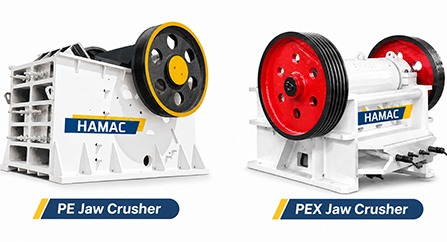
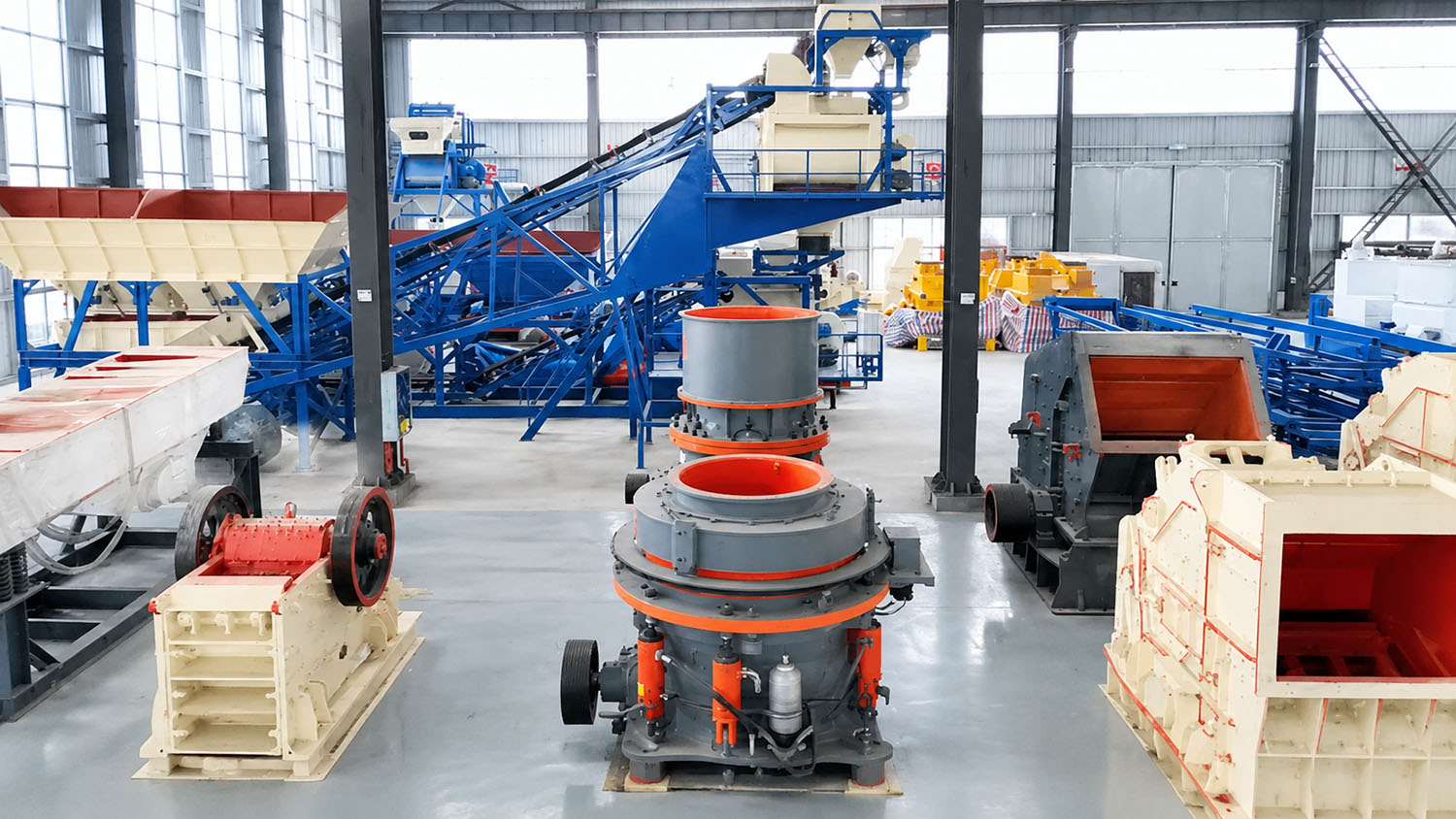 A factory tour should end with data you can check against your project requirements. Representative PE series jaw crusher specifications for primary crushing:
|
Model
|
Max Feed
|
Output Range
|
Capacity
|
Motor Power
|
Weight
|
|
PE600×900
|
500 mm
|
65–180 mm
|
80–180 t/h
|
55–75 kW
|
16.1 t
|
|
PE750×1060
|
630 mm
|
80–180 mm
|
110–320 t/h
|
90–110 kW
|
30.1 t
|
|
PE900×1200
|
780 mm
|
95–225 mm
|
220–450 t/h
|
110–132 kW
|
49.0 t
|
|
PE1200×1500
|
1,020 mm
|
150–300 mm
|
400–800 t/h
|
160–220 kW
|
100.9 t
|
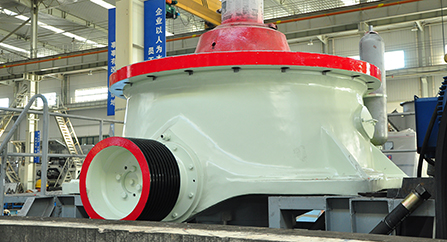
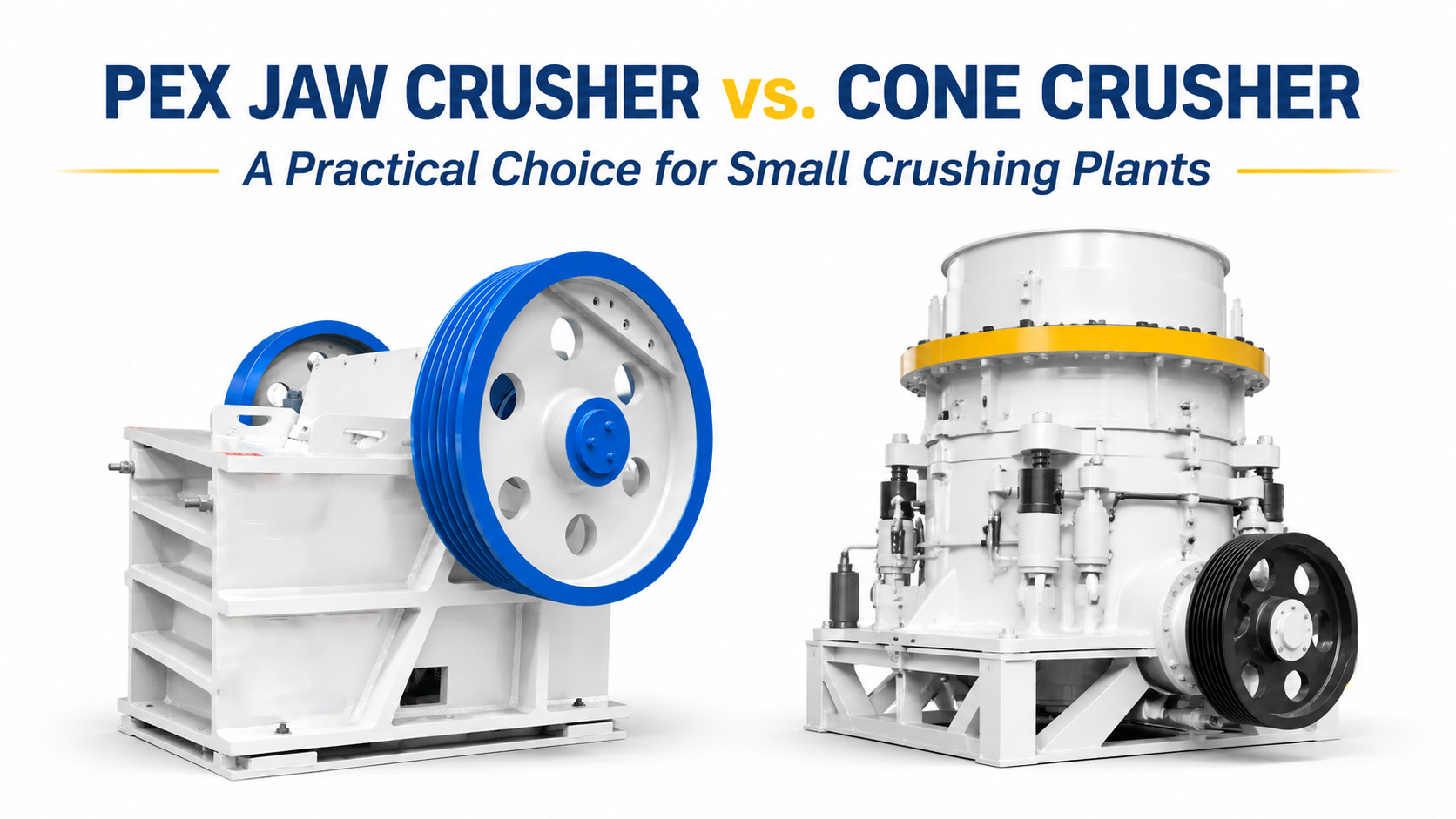
Symons cone crusher capacity for secondary and tertiary crushing of hard and medium-hard rock:
|
Model
|
Diameter
|
Capacity
|
Power
|
Weight
|
|
SCC 3'
|
900 mm
|
45–91 t/h
|
75 kW
|
15 t
|
|
SCC 4¼'
|
1,295 mm
|
109–181 t/h
|
160 kW
|
27 t
|
|
SCC 5½'
|
1,650 mm
|
181–327 t/h
|
220 kW
|
55 t
|
|
SCC 7'
|
2,134 mm
|
381–726 t/h
|
315 kW
|
110 t
|
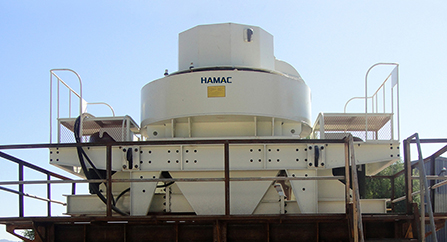
For soft and medium-hard rock shaping, PF impact crushers cover 30–800 t/h with high-chromium blow bars and cubical product shape. For fast-track projects, our tyre-type mobile jaw crusher plants (30–300 m³/h) integrate feeder, crusher and conveyor on one chassis — no foundation work, driven straight to the material source.
Not sure which configuration fits your material? Our engineers select from granite, basalt, limestone, river stone and ore-specific setups — tell us your material type, target capacity and feed/output sizes, and you receive a matched plant design and quotation. See how a complete stone crusher plant is configured in practice.
From Machines to Turnkey Solutions
A qualified machine is only the starting point. Mining and aggregate projects succeed on complete-line delivery and support. HAMAC services cover the full project life cycle:
-
Material analysis and plant solution design (3D layout drawings)
-
Equipment manufacturing with the six-stage process above
-
Container loading plans, seaworthy anti-rust packaging and shipment
-
On-site installation: site leveling, foundation drawing inspection, installation instruction, production line commissioning
-
Operator training and production handover
-
Spare parts supply and after-sales complaint handling
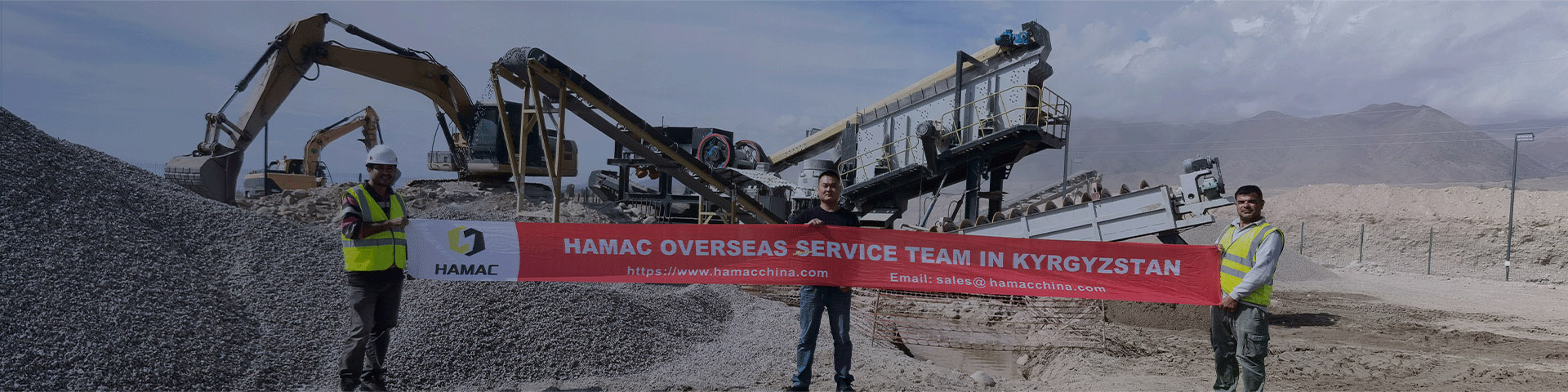
Our equipment is currently running in Chile, Peru, Iraq, Oman, Guinea, Jamaica, South Sudan and many other countries. If you want a deeper look at how a crushing and screening line is laid out, our crushing plant solutions page breaks down configurations by material and capacity.
FAQ: Questions Buyers Ask Before Ordering From a Crusher Factory
How are jaw crushers manufactured?
Through six controlled stages: steel cutting (with mill-certificate verification), CNC machining of frames and shafts, welding by ISO 9606-1 certified welders with NDT inspection on critical welds, documented assembly, final quality inspection, and a no-load test run of at least 2 hours with recorded bearing temperature, vibration and noise data.
What quality control is done before a crusher leaves the factory?
100% visual inspection, critical-dimension inspection, fit-up checks, NDT on critical welds at ITP-agreed ratios, hardness testing of wear parts (jaw plates, liners, blow bars) before work-hardening occurs, and a full no-load test run. Mill certificates, inspection records and test-run reports ship with the machine.
Can I inspect the factory or appoint a third-party inspection agency?
Yes. HAMAC welcomes customer visits, video factory tours and pre-shipment inspection by agencies such as SGS or BV. Test-run videos of your specific machine can be provided before shipment.
What materials are used in key crusher components?
Eccentric shafts: forged 40Cr/42CrMo alloy steel, quenched and tempered to HB 220–280 with induction-hardened journals at HRC 45–52. Jaw plates and liners: ZGMn13 high-manganese steel (optional Mn18Cr2) after water-toughening treatment. Frames: thick structural steel plate with NM400-class wear steel in high-wear zones.
How long does the factory test run take, and what are the pass criteria?
At least 2 hours of continuous no-load running (4–8 hours for large machines). Pass criteria include bearing temperature rise ≤ 30 °C, bearing temperature ≤ 75 °C, vibration and noise within design limits, and stable lubrication parameters — all recorded and signed off by three departments.
Which countries has HAMAC exported crushing equipment to?
Equipment is in operation in Chile, Peru, Iraq, Oman, Guinea, Jamaica, South Sudan and more — 180+ countries and regions served in total, supported by 15+ overseas branches.