



PEX Jaw Crusher vs. Cone Crusher: A Small Plant Guide | HAMAC
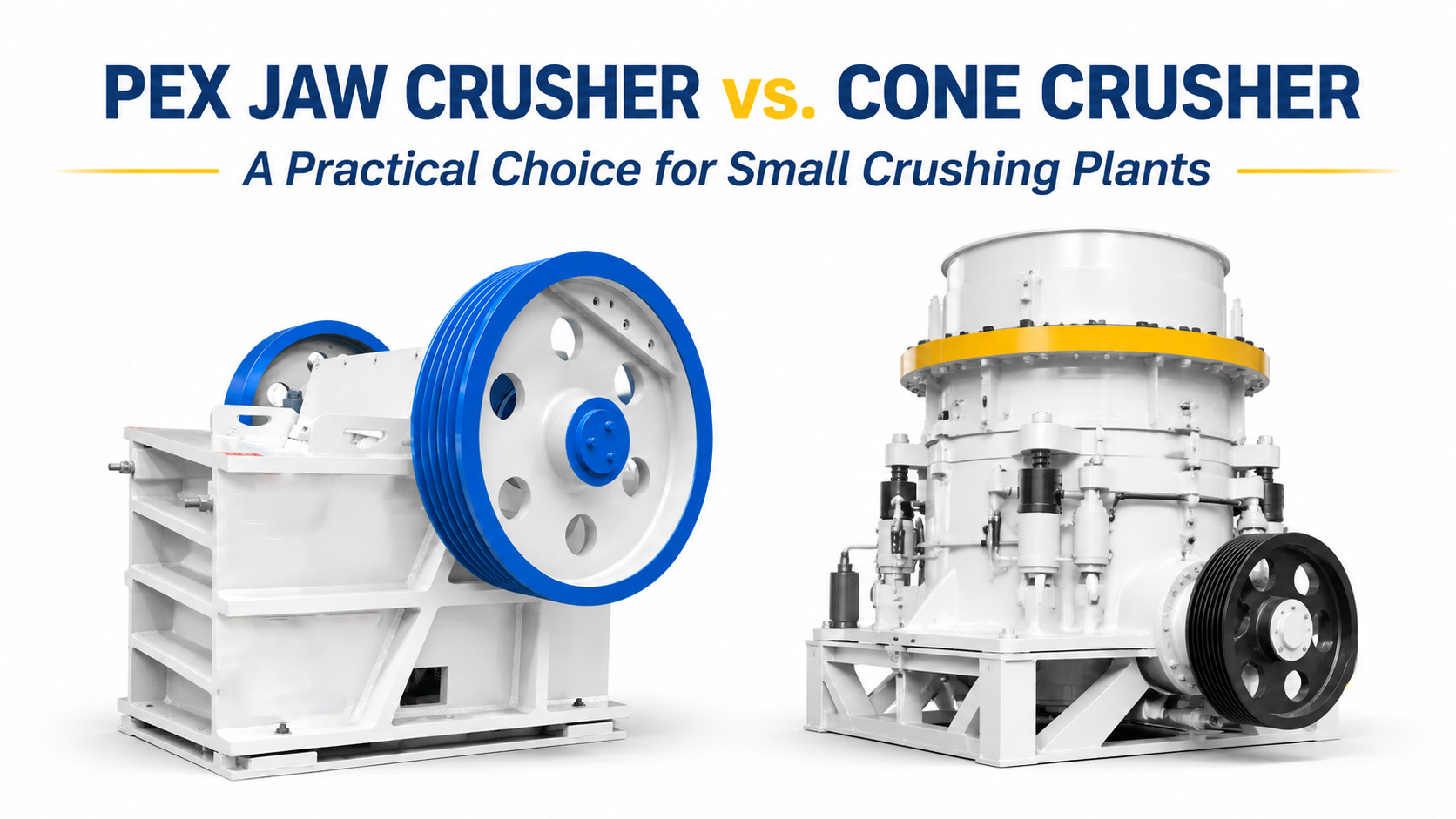
When planning a small stone crushing plant, choosing the right secondary crusher can directly affect equipment investment, operating costs and final product quality. A cone crusher is commonly used for secondary and tertiary crushing, but is it always necessary for a small-scale project?
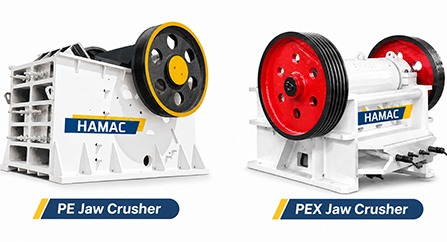
For plants with moderate production targets and suitable feed conditions, a PEX fine jaw crusher may be a practical alternative. Combined with a PE primary jaw crusher, a PE + PEX configuration can provide a relatively straightforward crushing process without automatically requiring a cone crusher.
However, the right choice depends on material hardness, feed size, required capacity, final product specifications and operating conditions. This guide explains when PEX can replace a cone crusher and how a PE + PEX crushing plant may help optimize investment.
1. Can a PEX Fine Jaw Crusher Replace a Cone Crusher?
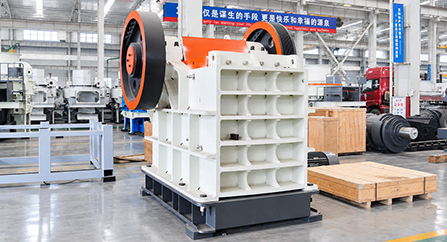
Yes, in selected small-scale crushing applications. A PEX fine jaw crusher can serve as a secondary crusher when the incoming material is already pre-crushed, the feed size is within the machine's specifications, and the required capacity and product size can be achieved.
A PEX jaw crusher may be worth considering when:
- The plant has a small or moderate production target.
- Feed material has already been reduced by a primary jaw crusher.
- The feed size is within the selected PEX model's maximum limit.
- The required output size is compatible with the machine's discharge range.
- The final aggregate shape and grading can meet the customer's requirements.
A cone crusher should still be evaluated for demanding hard-rock applications, higher production requirements, or projects with strict aggregate shape and grading specifications. Cone crushers are widely used for secondary and tertiary crushing because of their ability to process hard and abrasive materials and produce controlled aggregate products.
For more information, see HAMAC PE and PEX Jaw Crushers and HAMAC HP Hydraulic Cone Crushers.
2. How Does a PE + PEX Crushing Plant Work?
A PE + PEX crushing plant uses two jaw crushers for different crushing stages. The PE jaw crusher handles primary crushing, reducing large rocks into smaller feed material. The PEX fine jaw crusher then performs secondary crushing to produce a smaller product size.
A typical process is:
Raw Material → PE Jaw Crusher → PEX Fine Jaw Crusher → Vibrating Screen → Finished Aggregates
- PE jaw crusher: Reduces large raw rocks during primary crushing.
- PEX fine jaw crusher: Processes the pre-crushed material into a smaller size.
- Vibrating screen: Separates the crushed material into required product sizes.
- Return conveyor (if required): Sends oversize material back for additional crushing.
The actual layout depends on feed conditions, target capacity, product sizes and screening requirements. A vibrating feeder, belt conveyors and a return circuit may also be required.
3. PEX Jaw Crusher Capacity and Technical Parameters
Choosing a secondary crusher requires more than checking its maximum capacity. The maximum feed size, output range, motor power and actual material conditions must all be considered.
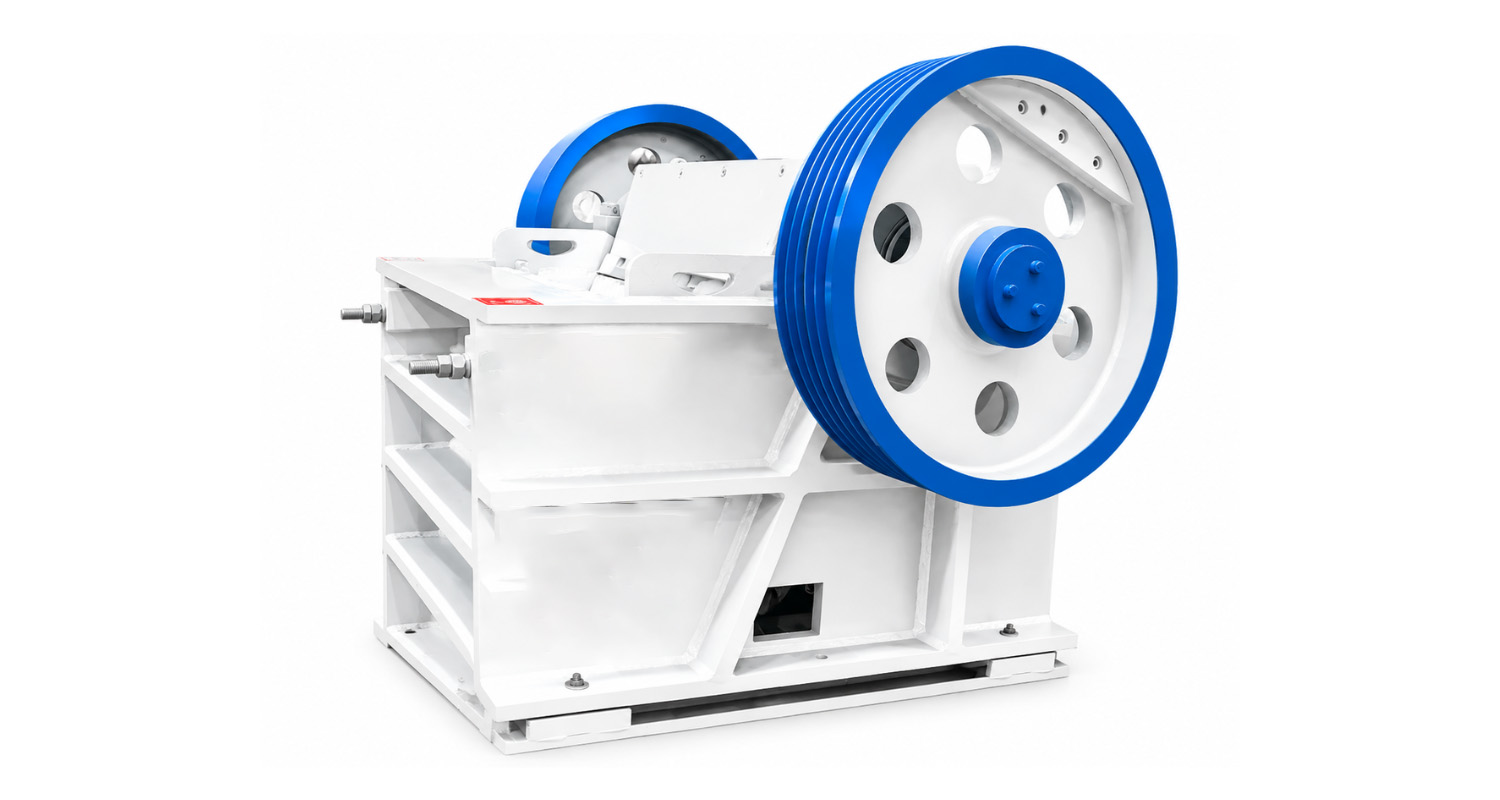
The following table shows the published technical data for HAMAC PEX fine jaw crushers:
| Model | Max. Feed Size | Output Range | Capacity | Motor Power |
|---|---|---|---|---|
| PEX250×750 | 210 mm | 25–60 mm | 13–35 t/h | 30 kW |
| PEX250×1000 | 210 mm | 25–60 mm | 16–52 t/h | 37 kW |
| PEX250×1200 | 210 mm | 25–60 mm | 20–61 t/h | 55 kW |
| PEX300×1300 | 250 mm | 20–90 mm | 16–105 t/h | 75 kW |
For example, the PEX250×1200 has a published capacity range of 20–61 t/h, a maximum feed size of 210 mm and a motor power of 55 kW. It may be considered for a small plant targeting approximately 30–50 t/h, subject to material testing and operating conditions.
These figures are reference specifications, not guaranteed production results. Actual capacity depends on rock hardness, abrasiveness, feed gradation, moisture, discharge setting, feeding stability and downstream screening capacity.
Before selecting a PEX model, confirm that the discharge material from the primary PE crusher is suitable for the PEX feed opening.
View the HAMAC PE Series Jaw Crusher specifications for more model information.
4. How Can a PE + PEX Plant Help Reduce Investment?
For a small crushing plant, investment optimization is not simply about buying the lowest-priced crusher. It means selecting equipment that matches the required production capacity and finished product specifications without unnecessary oversizing.
A PE + PEX configuration may offer investment advantages in suitable projects:
- Equipment selection: A PEX crusher may be considered instead of a larger cone crusher when the required capacity and product specifications can be met.
- Plant layout: The equipment arrangement can be planned around the actual site and production requirements.
- Power requirements: Compare the installed power and actual energy consumption of the complete production line.
- Maintenance planning: Evaluate jaw plate replacement, wear-part availability and maintenance downtime.
- Production matching: Avoid purchasing equipment with capacity far beyond the plant's actual demand.
However, a PE + PEX line is not automatically cheaper than a PE + cone line. The total cost depends on equipment prices, foundations, conveyors, screening systems, installation, power consumption, wear parts and maintenance.
| Cost Factor | PE + PEX | PE + Cone Crusher |
|---|---|---|
| Main equipment | Primary and secondary jaw crushers | Primary jaw crusher and cone crusher |
| Installation | Depends on equipment size and layout | Depends on cone model and auxiliary systems |
| Wear parts | Jaw plates and side plates | Jaw plates, mantle and concave |
| Maintenance | Jaw mechanism and wear-part inspection | Crusher liners, lubrication and hydraulic systems, depending on model |
| Product requirements | Must be checked against final grading and shape specifications | Often preferred for demanding secondary and tertiary aggregate applications |
The best comparison is the total cost per ton of qualified finished product, not just the purchase price of one machine.
5. When Should You Choose a Cone Crusher Instead?
A cone crusher may be a better choice when the project requires higher secondary crushing capacity, continuous processing of hard and abrasive rock, or tighter control of aggregate shape and grading.
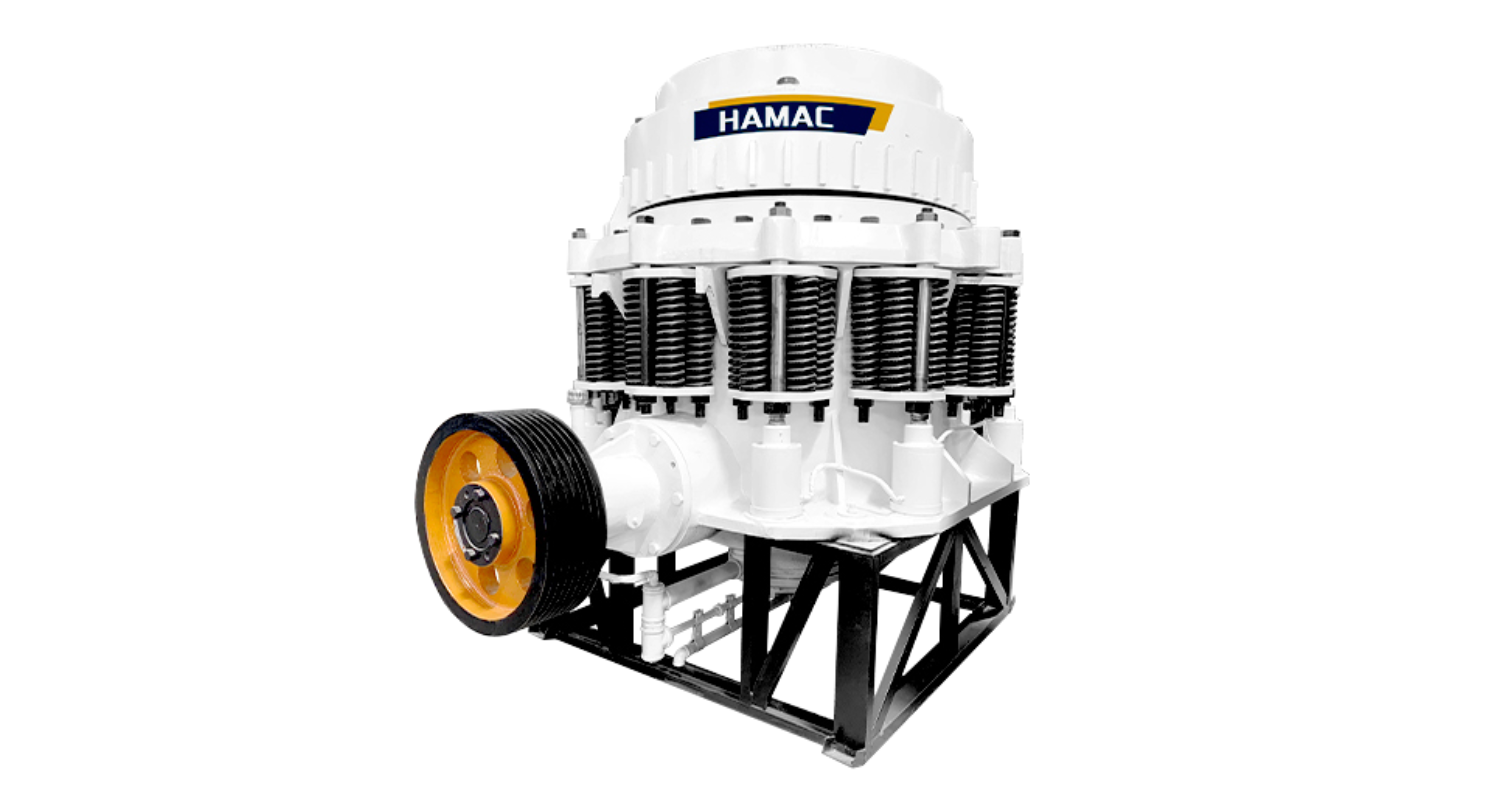
Before replacing a cone crusher with a PEX jaw crusher, check the following:
- Can the PEX crusher handle the required hourly throughput?
- Can it accept the actual feed size from the primary crusher?
- Can the required finished product sizes be achieved after screening?
- Will jaw plate wear result in acceptable operating costs?
- Does the final aggregate meet the customer's shape and grading requirements?
If these conditions cannot be met, a cone crusher should remain part of the equipment selection process. Explore HAMAC HP Hydraulic Cone Crushers or HAMAC Compound Cone Crushers.
6. How to Choose the Right Small Crushing Plant Configuration
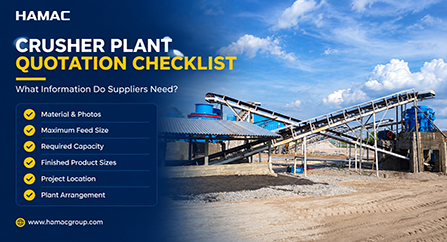
Before choosing between PE + PEX and PE + cone crusher, prepare the following project information:
- Raw material: Limestone, granite, basalt, river stone or other rock.
- Maximum feed size: The largest material entering the primary crusher.
- Required capacity: Target production in tons per hour (TPH).
- Target output size: Required finished aggregate sizes, such as 0–5 mm, 5–10 mm or 10–20 mm.
- Material properties: Hardness, abrasiveness, moisture and feed gradation.
- Site conditions: Available space, power supply and installation requirements.
For example, a plant targeting 40–50 t/h may evaluate a PEX250×1000 or PEX250×1200, depending on the material and required output. The primary PE crusher must also deliver suitable feed at a stable rate. Final selection should be based on a complete crushing and screening calculation.
Learn more about HAMAC aggregate crushing and screening solutions and real crushing plant projects.
Frequently Asked Questions
Q1: Can a PEX jaw crusher replace a cone crusher?
Yes, in selected small-scale applications where feed size, capacity and final product requirements are suitable. It is not a universal replacement for cone crushers.
Q2: What is the capacity of a PEX fine jaw crusher?
HAMAC publishes reference capacities ranging from 13–35 t/h for the PEX250×750 to 16–105 t/h for the PEX300×1300. Actual capacity depends on material and operating conditions.
Q3: Can PE and PEX jaw crushers work together?
Yes. A PE jaw crusher can perform primary crushing, while a PEX fine jaw crusher handles secondary crushing. The feed size and capacity of both machines must be matched.
Q4: Is a PE + PEX plant always cheaper than a PE + cone plant?
No. The investment depends on equipment models, installation, auxiliary systems, energy consumption, wear parts and maintenance. Compare the total cost of the complete plant.
Q5: Is PEX suitable for granite and basalt?
It may be suitable for certain granite and basalt applications, but hardness, abrasiveness, feed size, required throughput and jaw plate wear must be evaluated before selection.