



PF Impact Crusher: Applications, Advantages and Selection Guide | HAMAC
What Is a PF Impact Crusher and How Does It Work?
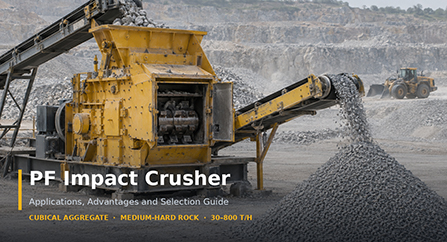
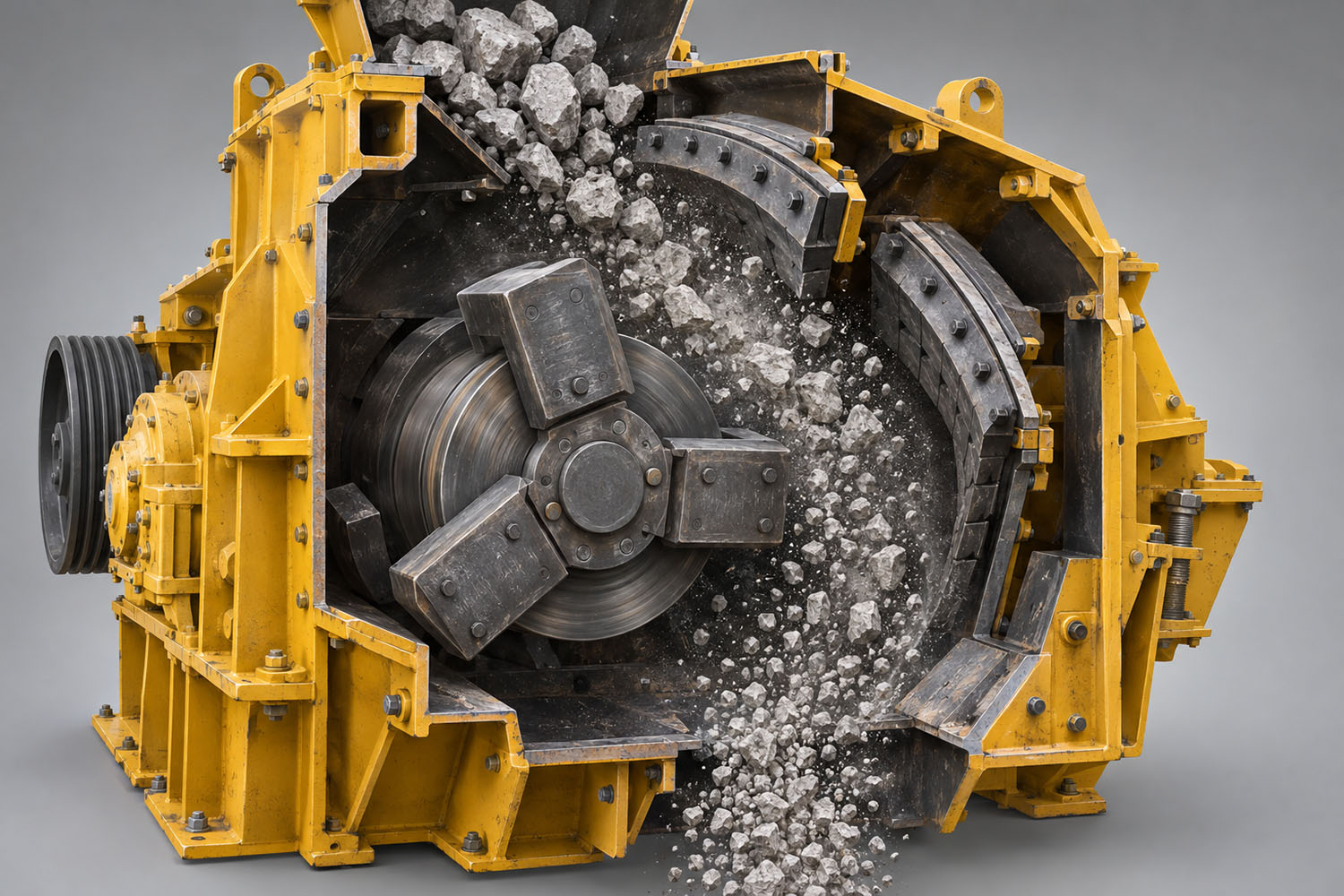
A PF impact crusher is a horizontal-shaft impact crusher: a high-speed rotor fitted with blow bars throws incoming stone against impact plates, breaking it along its natural cleavage planes. It is the standard machine for secondary and tertiary crushing of soft to medium-hard, low-abrasion materials — limestone, dolomite, gypsum, coal and recycled concrete — where the goal is a cubical, well-graded product. Its strength is particle shape and reduction ratio; its weakness is blow bar wear on hard, abrasive rock. This guide covers the working principle, applications, advantages and limits, real PF model specifications, a selection method, and the wear-parts cost that decides whether the machine pays off.
The rotor typically runs at 500–1,000 rpm depending on model. Material enters the feed opening, is struck by the blow bars and hurled against the first impact plate, then the second, breaking progressively. The gap between rotor and impact plates is adjustable, which is how the discharge size is set — no closed-side-setting gear like a jaw or cone crusher. Because each particle breaks on its own cleavage planes, the product is cubical with rounded edges and low flakiness. For background on how impactors fit the wider crusher family, see this overview of crusher types and principles.
PF Impact Crusher Applications
Where does a PF impact crusher actually earn its place? The table below matches common materials to the machine's suitability:
| Material | Compressive Strength (typical) | PF Impact Crusher Suitability | Notes |
|---|---|---|---|
| Limestone, dolomite | 80–150 MPa | Excellent — the classic application | Cubical product, low wear, best value |
| Recycled concrete and masonry | 20–60 MPa | Excellent (with magnetic separation) | Use martensitic bars if steel contamination |
| Gypsum, coal, coke, barite | Soft / brittle | Excellent | Standard building-materials duties |
| Andesite, river pebble | 150–250 MPa | Possible with derating | Apply a 0.7–0.85 capacity factor |
| Granite, basalt, quartzite | 200 MPa and above, abrasive | Poor — use a cone crusher | Blow bar wear makes it uneconomical |
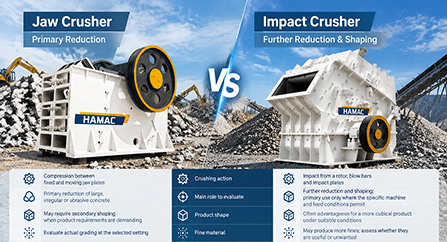
Typical roles in a plant: as a secondary crusher after a jaw crusher in a two-stage limestone circuit; as a shaping crusher in hard-rock circuits where a cone does the reduction and the impactor improves particle shape; or as a standalone machine in small limestone quarries. Common end uses include concrete and asphalt aggregate, manufactured sand feed, cement plant limestone crushing, and construction waste recycling. For context, see our jaw crusher vs. impact crusher comparison and our article on mobile crushers in construction and demolition recycling.
Advantages of the PF Impact Crusher
1. Cubical product shape. Industry comparisons put the cubicity index of impact-crushed aggregate at 0.8–0.95 versus 0.65–0.80 for cone crushers. Cubical, low-flakiness aggregate commands a premium in concrete and asphalt mixes, which is why shape-driven projects choose impactors.
2. High reduction ratio. Reduction ratios of 20:1 and higher mean a PF impact crusher can combine medium and fine crushing in one machine, sometimes eliminating a crushing stage and its conveyors, screen and structure from the flowsheet.
3. Lower capital cost than an equivalent cone crusher. The structure is simple — a rotor, blow bars, two impact plates and a housing — so purchase price and installation cost are typically lower for the same throughput on medium-hard material.
4. Adjustable output. Discharge size is set by the impact plate gap and rotor speed, so one machine can serve several product specifications with a setting change, not a parts change.
5. Simple maintenance. Blow bars and wear plates are accessible through the housing openings; a change-out is hours, not days.
Limitations: When NOT to Choose an Impact Crusher
Every advantage above reverses on the wrong material. On abrasive, high-silica feed, blow bar life collapses: industry figures show blow bars lasting 400–800 operating hours where cone liners in the same duty run 8,000–15,000 hours. Quartzite accelerates wear roughly 50% faster than limestone. The practical rules:
| Condition | Recommendation |
|---|---|
| Granite, basalt, quartzite (hard AND abrasive) | Choose a cone crusher — see our cone crusher line and cone vs. jaw comparison |
| Wet, sticky, high-clay feed | Impact chambers cake; pre-screen the fines or use another machine type |
| Feed with tramp metal (unprocessed demolition) | Only with magnetic separation and toughness-grade blow bars |
| Specs demanding minimal fines | Impactors generate more 0–5 mm fines than cones — check your product balance |
Mechanically, PF rotors can accept feed up to roughly 350 MPa in strength, but economically the machine fits material at or below about 250 MPa, and is happiest below 150 MPa. Note also that impact crushing produces significant dust — plan suppression accordingly (see our stone crusher plant dust control guide).
HAMAC PF Impact Crusher Technical Specifications
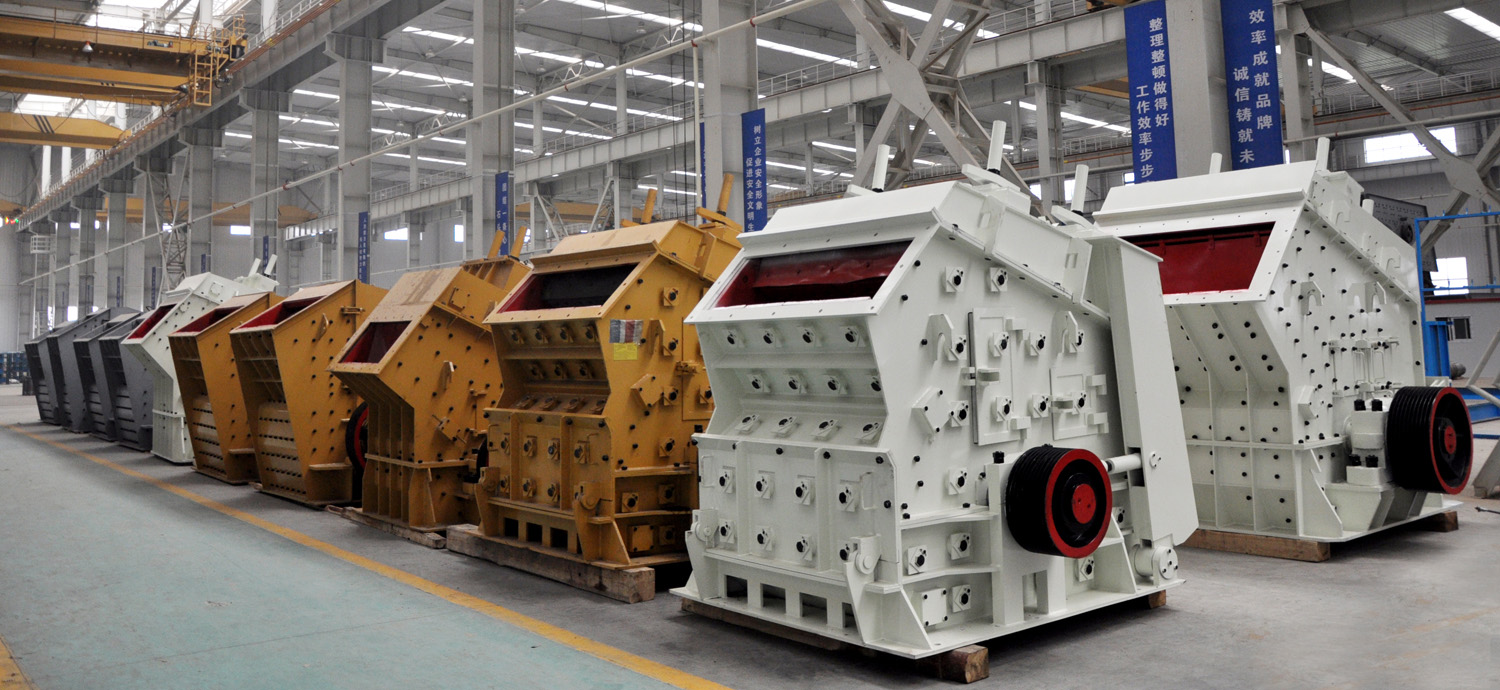
Below are the actual specifications of the HAMAC PF impact crusher series, from the compact PF-1007 to the 800 t/h PF-1820:
| Model | Rotor (mm) | Feed Opening (mm) | Max Feed (mm) | Capacity (t/h) | Power (kW) | Weight (t) |
|---|---|---|---|---|---|---|
| PF-1007 | Φ1000 × 700 | 400 × 730 | 300 | 30–70 | 37–45 | 12 |
| PF-1010 | Φ1000 × 1050 | 400 × 1080 | 350 | 50–90 | 45–55 | 15 |
| PF-1210 | Φ1250 × 1050 | 400 × 1080 | 350 | 70–130 | 110 | 17.7 |
| PF-1214 | Φ1250 × 1400 | 400 × 1430 | 350 | 100–180 | 132 | 22.4 |
| PF-1315 | Φ1320 × 1500 | 860 × 1520 | 500 | 130–250 | 220 | 27 |
| PF-1520 | Φ1500 × 2000 | 830 × 2040 | 700 | 300–550 | 315–400 | 50.6 |
| PF-1620 | Φ1600 × 2000 | 2000 × 1600 | 500 | 400–700 | 400–500 | 58 |
| PF-1820 | Φ1800 × 2000 | 1260 × 2040 | 800 | 600–800 | 630–710 | 83.21 |
Important: impact crusher capacities are rated on limestone (bulk density about 1.6 t/m³). For harder material apply a derating factor — andesite and similar stones typically run at 0.7–0.85 of rated capacity depending on hardness and clay content. Never compare an impactor's limestone rating against a cone's rating on hard rock: they are different bases.
How to Choose the Right PF Impact Crusher Model
Step 1 — Check the material. Compressive strength at or below 250 MPa and low silica/abrasiveness keep you in impactor territory; harder or abrasive feed points to a cone crusher. If you are earlier in the decision, our guide on how to select the right stone crusher covers the full flowchart.
Step 2 — Match capacity and feed size. Take your target throughput, apply the material derating factor, then pick the model whose rated band sits above it. Verify maximum feed size against what your jaw crusher actually discharges — oversize feed is the fastest way to destroy blow bars. For example: 80 t/h of limestone suits a PF-1010; 150 t/h suits a PF-1214; 200 t/h of andesite (derated to ~150 t/h effective) still needs a PF-1315.
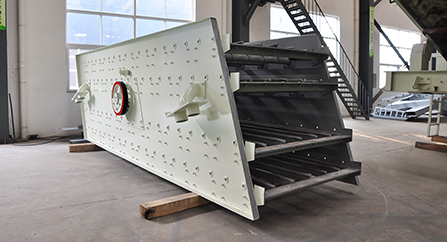
Step 3 — Position it in the circuit. PF impactors work after a jaw crusher as secondary, or after a cone as a shaper. Match the screen below it — see our vibrating screen options for closed-circuit sizing.
| Item | Jaw Crusher | PF Impact Crusher | Cone Crusher |
|---|---|---|---|
| Best position | Primary | Secondary / tertiary / shaping | Secondary / tertiary |
| Best material | Any hardness | Medium-hard, low abrasion | Hard, abrasive rock |
| Product shape | Angular, flaky | Cubical, low flakiness (best) | Good with proper feed |
| Reduction ratio | ~3–6:1 | Up to 20:1 and higher | ~4–6:1 per stage |
| Wear parts cost | Low | High on abrasive feed | Low per ton on hard rock |
| Investment | Low | Lower than cone (same class) | Higher |
Blow Bars and Wear Parts: The Real Operating Cost
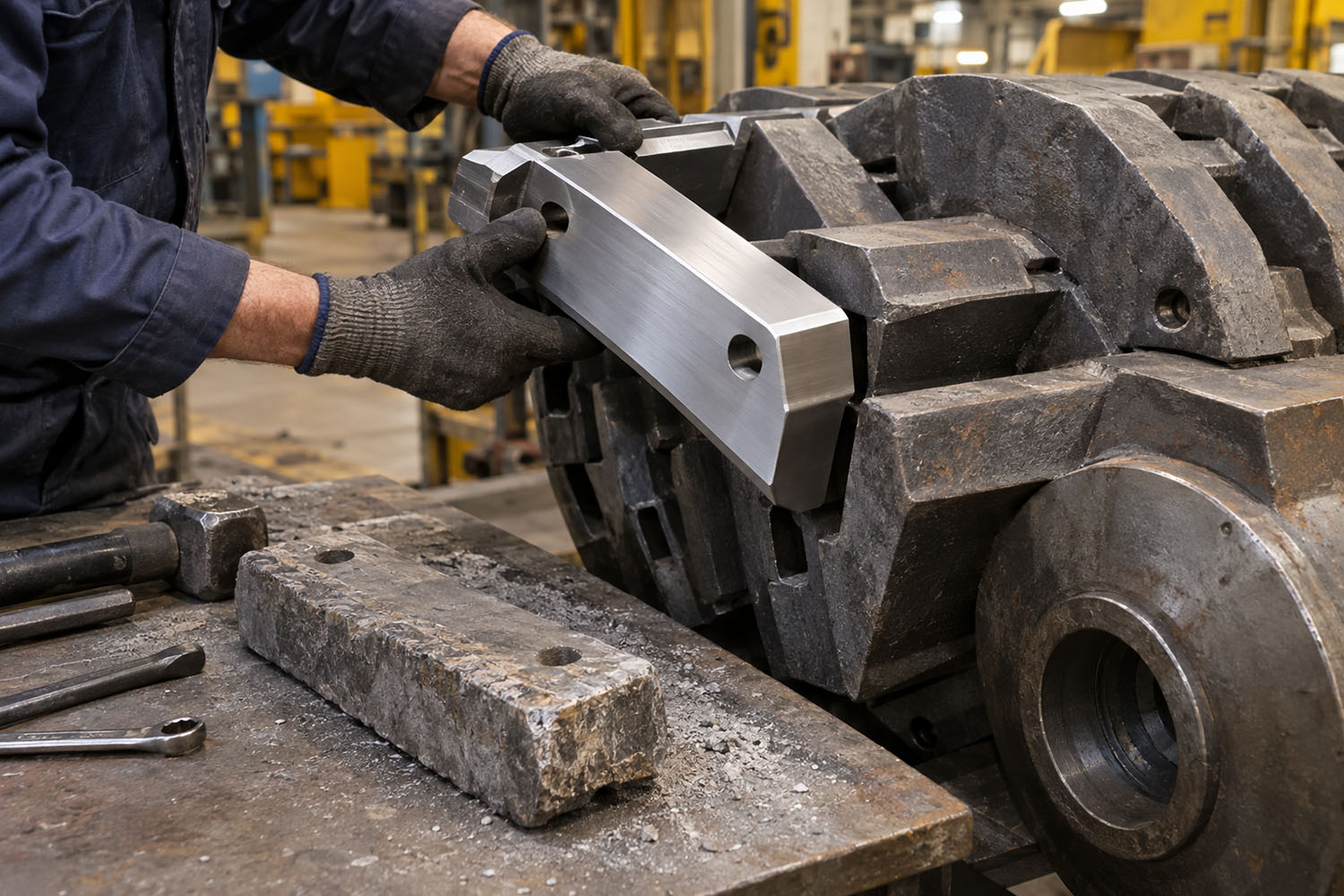
Blow bars are the PF impact crusher's main operating cost, and material choice matters more than brand. The two standard options trade hardness against toughness:
| Property | High-Chromium Cast Iron | Martensitic Alloy Steel |
|---|---|---|
| Hardness | HRC 58–65 | HRC 48–55 |
| Impact toughness | Low (5–8 J/cm²) | High (≥15 J/cm²) |
| Typical service life | 1,500–3,000 hours | 500–1,500 hours |
| Best application | Screened limestone, recycling, small uniform feed | Large feed, primary-like duties, recycled concrete with tramp metal |
| Wear rate vs. manganese steel | 60–70% of manganese wear | Moderate improvement |
Practical guidance from wear-parts engineering: high chrome suits controlled, smaller feed where abrasion dominates; martensitic steel suits shock and metal contamination (for example, building rubble and primary blasted rock — see this blow bar application guide from Terex Cedarapids). In tonnage terms, operators report 15,000–30,000 tons between blow bar changes depending on material, with high-chrome bars cutting total operating cost roughly 30% versus manganese in suitable duties.
To keep wear cost down: feed the crusher evenly across the rotor width, remove tramp metal with a magnet before the chamber, keep feed size within spec, and replace blow bars in balanced sets — an unbalanced rotor destroys bearings far more expensively than bars.
PF Impact Crusher in Real Projects
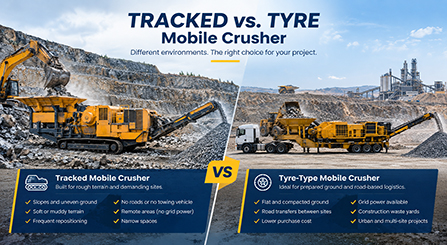
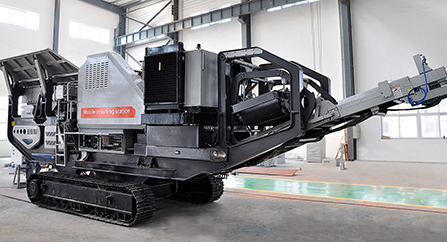
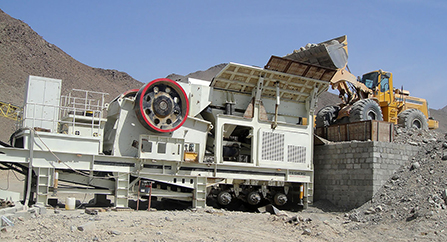
Typical deployments: limestone aggregate plants using a jaw crusher plus PF impact crusher two-stage circuit (see our limestone crushing plant solutions and the Tanzania limestone crushing project case); and hard-rock plants where the impactor is used only for shaping, or replaced by cones — see the 250 TPH granite crusher plant in the Philippines for the cone-based alternative. The PF impact crusher is also available mounted: as the mobile impact crusher plant and the tracked impact crusher plant for construction waste and site work.
Frequently Asked Questions
Can a PF impact crusher crush granite or basalt?
Mechanically yes, economically no — on hard abrasive rock the blow bars wear out in hundreds of hours instead of thousands, and a cone crusher costs less per ton. Use impactors on granite only as a final shaping step with controlled feed.
Impact crusher or cone crusher — which is better?
For medium-hard, low-abrasion stone like limestone, an impact crusher gives better particle shape at lower investment. For hard, abrasive rock, a cone crusher gives lower wear cost per ton. Material decides, not preference.
How long do blow bars last?
Typically 500–3,000 operating hours or 15,000–30,000 tons depending on material and bar grade — high chrome lasts longest on clean limestone feed, martensitic steel is safer on contaminated or coarse feed.
How is the output size adjusted?
By adjusting the gap between the impact plates and the rotor (and on some models the rotor speed). No liner change is needed for normal setting changes.
Can an impact crusher handle wet or sticky material?
Not well — wet clay cakes in the chamber. Pre-screen fines and wash or blend sticky feed, or choose a different crusher type.
What do PF-1010 and PF-1210 mean?
The numbers encode rotor dimensions in decimeters: PF-1210 has a 1250 × 1050 mm rotor and delivers 70–130 t/h on limestone. See the specification table above for all models.
Get a PF Impact Crusher Recommendation from HAMAC
Send us your material type and hardness, target capacity, feed size and product requirements, and HAMAC engineers will confirm whether a PF impact crusher is the right choice — and size the model and blow bar grade for your duty. If your material points to another machine, we will say so. Visit the PF impact crusher product page or contact HAMAC for a quotation.