




Stationary vs. Mobile Crusher Plant: Which Is Better for Your Project? | HAMAC
Stationary vs. Mobile Crusher Plant: Which Is Better for Your Project?
Choose a stationary crushing plant for a permanent production layout. Evaluate wheeled or tracked equipment when relocation creates practical value. Consider a modular crushing plant when transportable modules, staged installation or future reconfiguration are priorities.
The correct choice depends on your material, capacity, finished products, site conditions and movement requirements—not simply the lowest equipment price.
1. Equipment Differences: Stationary, Wheeled, Tracked and Modular
| Plant Type | Equipment Arrangement | Movement Method | Key Checks |
|---|---|---|---|
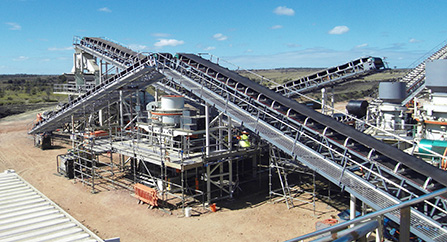
| Stationary Crushing Plant | Crushers, screens, conveyors and receiving systems arranged around a site-specific layout | Relocation requires dismantling, transport and reinstallation | Foundations, utilities, material flow, stockpiles and expansion space |
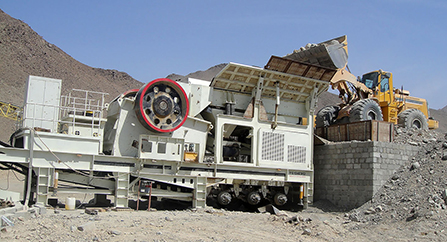
| Wheeled / Portable Crushing Plant | Processing equipment mounted on a wheeled chassis, with one or multiple connected units | Towing or transport according to the chassis and local requirements | Transport dimensions, weight, towing equipment, support arrangements and road permits |
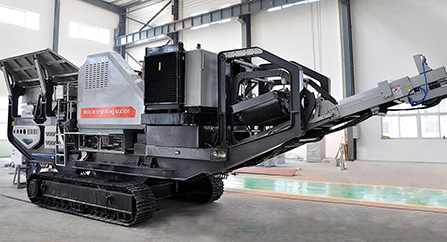
| Tracked Crushing Plant | Crusher or screen mounted on a self-propelled tracked chassis | Site movement within equipment limits; separate transport between projects | Ground bearing conditions, slopes, movement procedures and transport logistics |
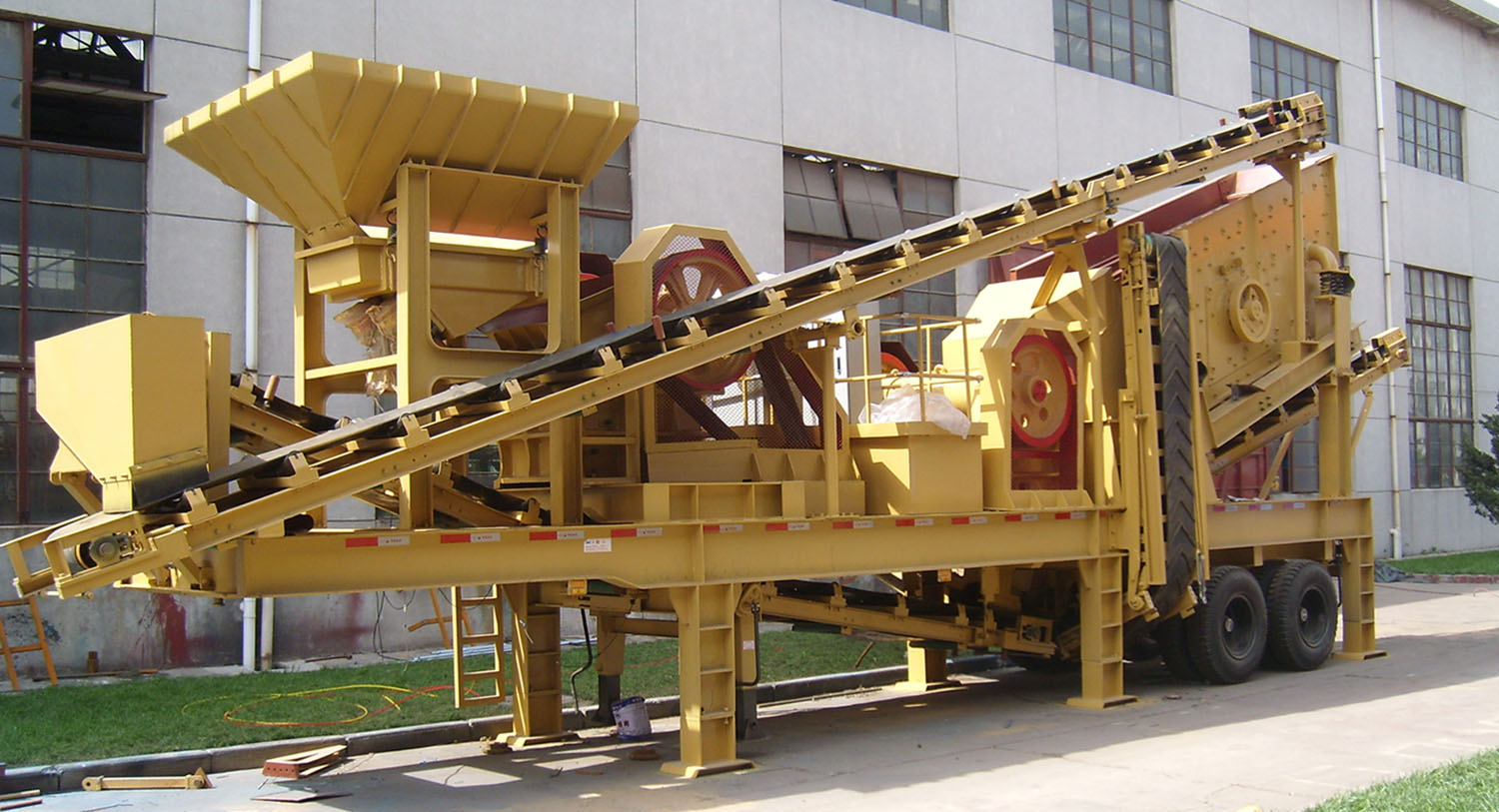
| Modular Crushing Plant | Processing equipment assembled as steel-supported modules | Modules are dismantled, transported and reconnected | Module dimensions, lifting, ground or foundation requirements and interconnections |
Modular does not mean self-propelled. Tracked movement does not mean unrestricted travel over any terrain. A wheeled chassis also does not automatically permit direct towing on public roads.
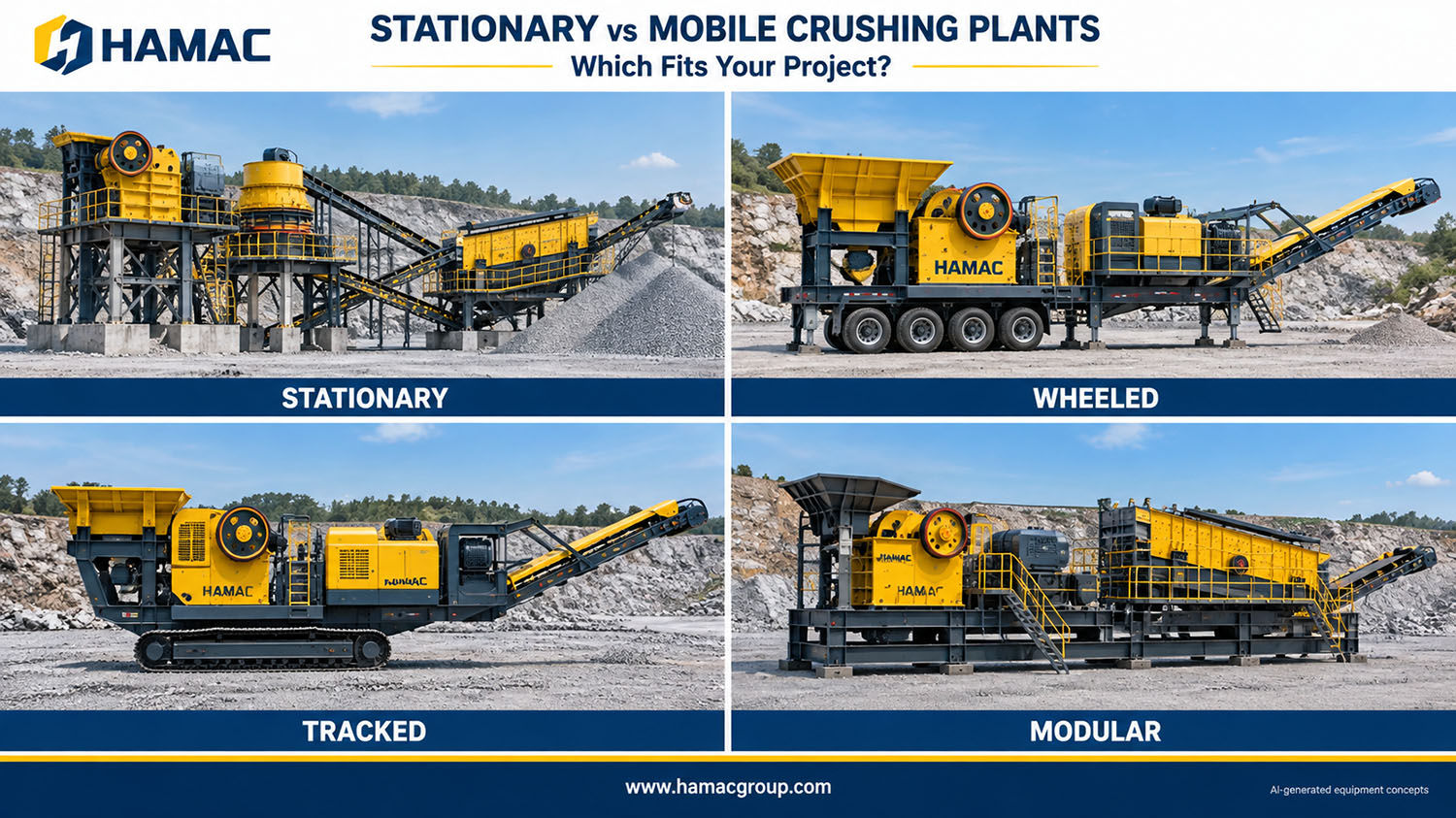
Explore HAMAC stationary crushing plants, portable crushing plant solutions, tracked crushing plants and modular crusher plants.
2. Which Crushing Plant Should You Choose?
| Your Project | Option to Evaluate First | Reason |
|---|---|---|
| Permanent quarry with predictable demand and several aggregate grades | Stationary or modular plant | Allows a planned production, conveyor, maintenance and stockpile layout |
| Temporary road-construction or project aggregate supply | Wheeled or tracked mobile plant | Equipment can be redeployed when the current project finishes |
| Frequent movement near a changing quarry face | Tracked plant | Self-propelled positioning can support processing closer to the material source |
| Concrete demolition and recycling across multiple sites | Mobile crushing and screening combination | Evaluate on-site processing together with metal removal, contaminants and dust control |
| Staged construction or possible future relocation | Modular plant | Modules can support planned assembly and later reconfiguration |
| Existing fixed plant needing temporary additional capacity | Stationary plus mobile arrangement | Evaluate supplemental processing without assuming the whole plant must be replaced |
These are starting points, not automatic selections. A long project can still benefit from mobile equipment if the material source changes. A short project may still require substantial site preparation and transport planning.
3. Select the Crushing Process Before the Chassis
First choose the process for the material and finished products. Then decide whether to install that process as stationary, wheeled, tracked or modular equipment.
| Material | Reference Crushing Route | Selection Focus |
|---|---|---|
| Limestone and medium-to-low abrasiveness rock | Jaw Crusher + Impact Crusher + Screen | Feed size, moisture, clay, particle shape and fines |
| Granite, basalt and abrasive hard rock | Jaw Crusher + Cone Crusher + Screen | Abrasiveness, secondary feed, chamber selection and return load |
| Concrete demolition material | Jaw or Impact Crusher + Screen | Rebar, impurities, pre-treatment, metal removal and recycled-product use |
| Manufactured sand or additional shaping | Base Crushing Circuit + Sand Making / Shaping + Fine Screening | Product proportions, grading, shape and permitted fines |
A mobile chassis does not make one crusher suitable for every material. Final selection must account for actual feed conditions and product specifications.
When comparing a 100 TPH, 200 TPH or 300 TPH stationary and mobile crushing plant, use the same material, feed grading, product requirements and operating conditions. Clarify whether the quoted capacity is fresh feed, individual equipment throughput or saleable finished output.
4. HAMAC Technical Data: Check the Specific Equipment
HAMAC's stationary solution page lists both hard-rock and soft-rock plants across multiple capacity bands. Its portable solution page lists 100, 150, 200 and 300 t/h soft-rock configurations, and 100, 150 and 200 t/h hard-rock configurations. These published solution categories are planning references, not guaranteed performance under every condition.
For a modular arrangement, the following HAMAC data provides specific preliminary selection points:
| Specification | HMC-C96 Jaw Module | HMC-C106 Jaw Module | HMC-S1860 Screening Module |
|---|---|---|---|
| Main equipment | 6CX96 | 6CX106 | YK1860 |
| Published processing capacity | 100–330 t/h | 140–420 t/h | 120–300 t/h |
| Published feeding capacity | 300 t/h | 430 t/h | Not listed in the referenced table |
| Maximum feed size | 600 mm | 650 mm | Not listed in the referenced table |
| Discharge adjustment / screen size | 70–200 mm discharge opening | 70–200 mm discharge opening | 1800 × 6000 mm screen |
| Whole-machine power | 115.5 kW | 137.5 kW | 65 kW |
Source: HAMAC Modular Type Crusher Plant specifications.
These figures describe separate modules, not a complete matched production line. Do not assume that combining them guarantees the upper published capacity. For example, the HMC-C96 table lists 100–330 t/h processing capacity and 300 t/h feeding capacity; the intended operating arrangement requires clarification before quoting maximum output.
Closed-circuit flow can also exceed fresh-feed throughput. As an illustration, 200 TPH of new material plus an assumed 60 TPH return stream creates 260 TPH at equipment receiving both flows. Use the actual process balance when selecting the secondary crusher, screen and conveyors.
Check the latest model sheet, transport dimensions and installation requirements before ordering. Even when a system reduces conventional foundation work, confirm ground bearing capacity, levelness, anchoring, drainage and local engineering requirements.
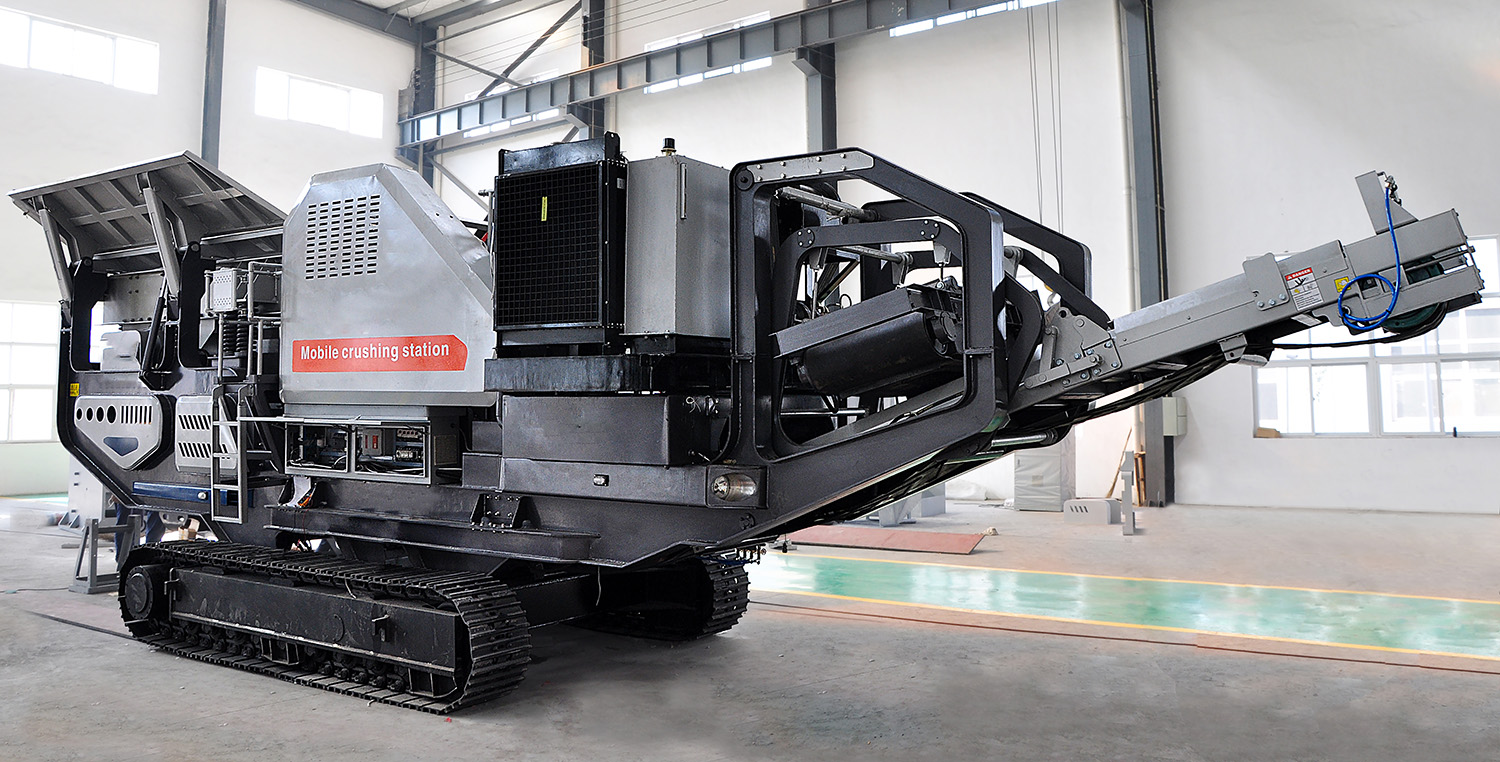
5. Compare the Complete Project Cost
Do not compare only the crusher purchase price. Request quotations for the same material, output target, products and supply scope.
| Cost Item | What to Confirm |
|---|---|
| Equipment | Crushers, feeders, screens, conveyors, electrical controls and included accessories |
| Installation and site preparation | Ground works, foundations or supports, assembly, electrical connections and commissioning |
| Transport | Raw-material hauling, machine delivery, trailers, permits and future relocations |
| Operation and maintenance | Power or fuel, operators, loading equipment, wear parts and service support |
| Environmental and product handling | Dust control, water, drainage, separate stockpiles and loading areas |
| Future use | Expansion, product changes, redeployment, dismantling and residual value assumptions |
Mobile crushing near the material source can reduce some raw-material hauling, but transport and redeployment costs remain. A stationary plant can provide a tailored long-term layout, but its civil works and future relocation must be considered.
There is no universal break-even month or fixed cost-saving percentage for stationary versus mobile crushing. Compare the complete project over the same operating period.
For an external manufacturer's discussion of hauling, mobility and permanent installations, read RUBBLE MASTER's stationary versus mobile crusher comparison. Its model-specific figures are not HAMAC specifications.
Request the Right Crushing Plant for Your Project
Stationary, wheeled, tracked or modular—which format fits your operation?
Send HAMAC your material photos, maximum feed size, target TPH, finished-product sizes, project duration and relocation requirements. Include your project country, site conditions and available power or fuel so the proposed configuration can be reviewed against the actual site.
Request a Project-Based Crushing Plant Comparison and Quotation