



100–300 TPH Mobile Crushing Plant: How to Choose by Material and Project Duration | HAMAC
Does your project need crushing near a quarry face, temporary aggregate production for road construction, or on-site processing of demolition material? Choose a 100–300 TPH mobile crushing plant by the material, finished products, total workload, effective production time and relocation plan—not only the advertised maximum capacity.
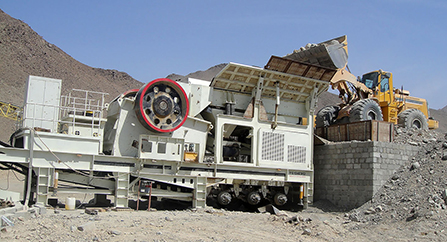
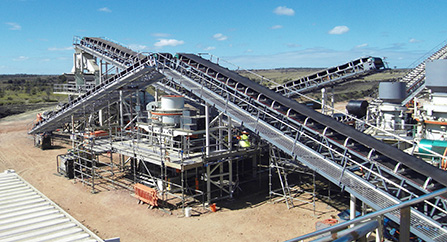
A mobile solution can be one integrated unit or a combination of mobile crushers, screens and conveyors. The correct arrangement must balance feeding, crushing, screening, return material and stockpiling while remaining practical to transport and maintain.
Explore HAMAC mobile crushing plant solutions for material-based portable configurations.
1. Choose the Crushing Route by Material
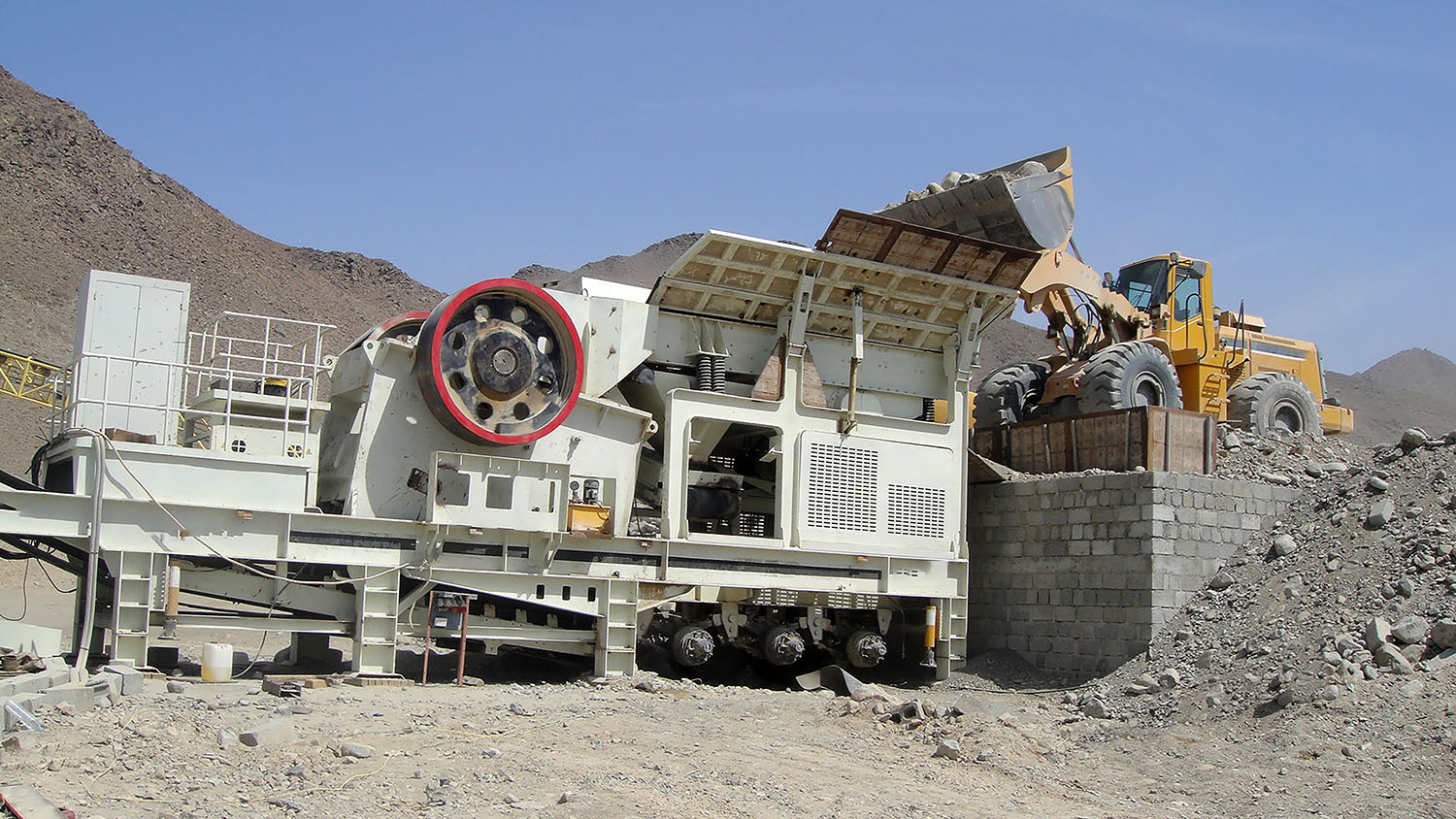
Start with rock hardness, abrasiveness, maximum feed size, moisture, clay and contaminants. A mobile chassis does not make one crusher suitable for every material.
| Material or Application | Configuration Direction to Evaluate | Important Checks |
|---|---|---|
| Limestone and medium-to-low abrasiveness rock | Mobile Jaw Crusher + Mobile Impact Crusher + Screen; evaluate a simpler impact route where feed conditions permit | Maximum feed, abrasiveness, moisture, aggregate shape and fines production |
| Granite, basalt and abrasive hard rock | Mobile Jaw Crusher + Mobile Cone Crusher + Screening Plant | Primary discharge, cone chamber, liner wear, product sizes and recirculating load |
| Hard river stone | Jaw Crusher + Cone Crusher + Screen; optional shaping or sand-making stage | Feed grading, hardness, particle shape and required sand proportion |
| Concrete and demolition material | Mobile Jaw or Impact Crusher + Screen, with metal and contaminant removal as required | Rebar, impurities, feed preparation, dust and recycled-aggregate use |
| Asphalt recycling | Mobile Impact Crusher + Screen direction | Material composition, temperature, adhesion and target grading |
These are reference routes, not fixed equipment packages. Wet or sticky feed may need different pre-screening, feeding or washing arrangements. Additional crushing or shaping should be justified by the product requirements rather than added automatically.
For an external engineering overview of material selection, closed circuits and portable plant applications, see MEKA's crushing and screening plant guide.
2. Convert Project Volume and Duration into Capacity
Project duration helps determine the required production rate, but calendar days are not the same as effective crushing days. Allow for equipment delivery, site preparation, commissioning, relocation, routine maintenance, weather and interruptions in material supply.
Required Average Feed Rate = Total Material to Process ÷ Effective Production Days ÷ Effective Production Hours per Day
| Illustrative Planning Input | Example |
|---|---|
| Material to process | 120,000 tonnes |
| Effective production days | 100 days |
| Effective production hours | 8 hours per day |
| Required average feed rate | 150 tonnes per hour |
This calculation establishes an average processing requirement, not a final equipment rating. Actual selection must account for material conditions, product specifications, operating variability and circuit load.
If the contract specifies finished aggregate rather than raw material processed, also assess the expected saleable yield. Rejected contaminants, unwanted fines and other losses can make the required fresh-feed rate higher than the finished-product target.
For example, a hypothetical 150 TPH saleable-output requirement at a 90% saleable yield would need approximately 167 TPH of fresh feed. The 90% yield is an assumption for explanation, not a HAMAC performance claim.
3. Compare 100, 200 and 300 TPH Configuration Directions
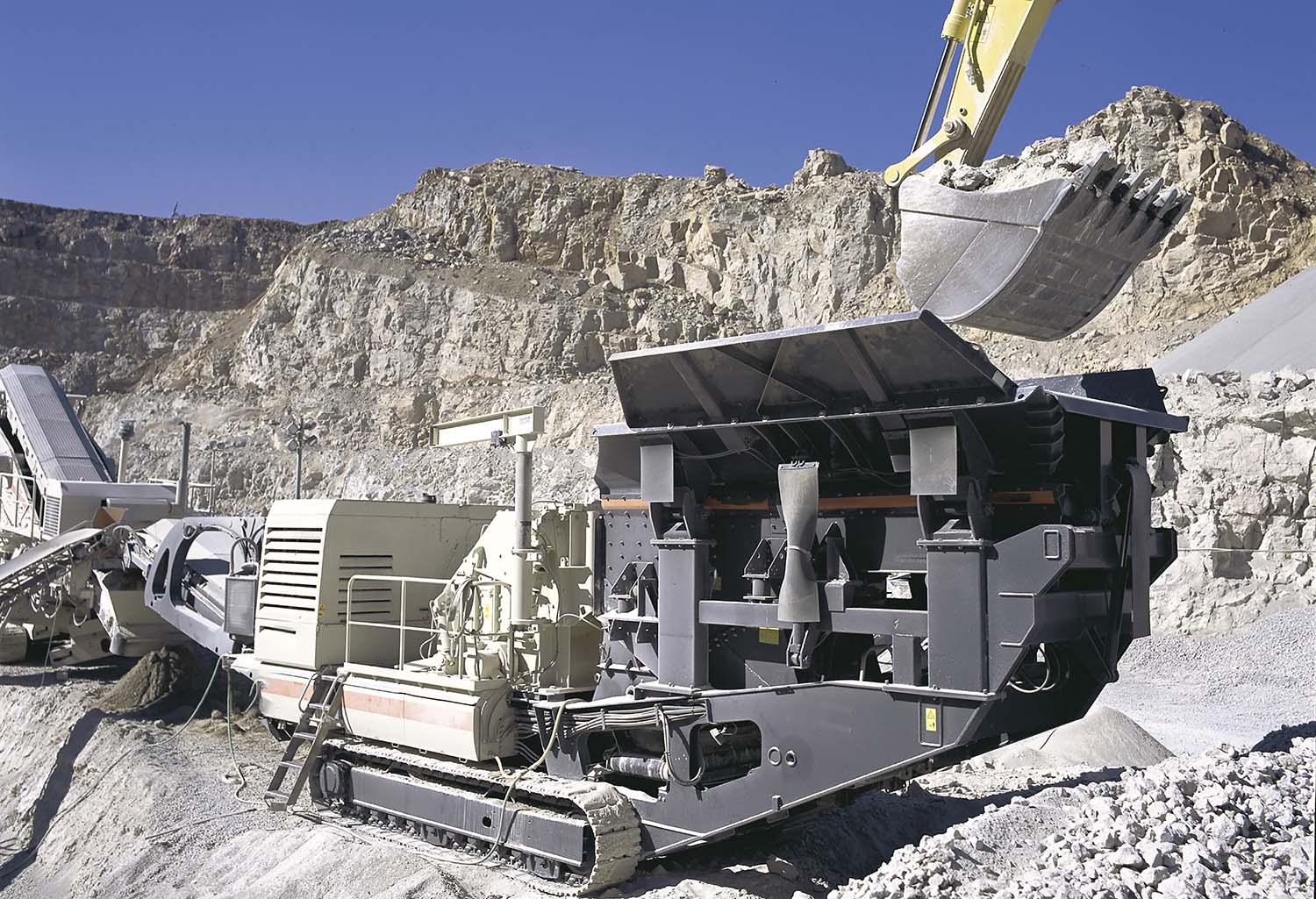
Capacity does not automatically determine the number of machines. The same throughput target can require different configurations for limestone, granite, recycled concrete and multiple finished-product sizes.
| Target Range | Configuration Direction | Main Project Checks |
|---|---|---|
| 100 TPH mobile crushing plant | Evaluate an integrated crushing-screening unit or a compact primary, secondary and screening combination | Feed acceptance, product complexity, onboard screen capability and transport arrangement |
| 200 TPH mobile crushing plant | Evaluate mobile jaw crushing with impact or cone crushing and matched screening | Continuous feeding, screen capacity, return load, product separation and relocation logistics |
| 300 TPH mobile crushing plant | Evaluate a higher-capacity multi-unit crushing and screening system; add stages only when required | Circuit balance, internal flow, loading equipment, energy supply, stockpiling and transport loads |
HAMAC's published mobile solution categories include 100, 150, 200 and 300 t/h soft-rock portable plants, and 100, 150 and 200 t/h hard-rock portable plants. A 300 TPH hard-rock mobile project requires a specific equipment and circuit review; it should not be inferred from the soft-rock rating.
Reference hard-rock flow: Hopper / Feeder → Mobile Jaw Crusher → Mobile Cone Crusher → Screening → Product Conveyors.
Reference soft-rock flow: Hopper / Feeder → Jaw or Impact Crushing as Required → Secondary Impact Crushing if Needed → Screening → Product Conveyors.
In a closed circuit, oversized material returns to the appropriate crushing stage. Equipment receiving both new feed and returned material must be assessed for the combined load, not only the plant's fresh-feed target.
4. Tracked or Wheeled: Define What Needs to Move
Moving within a quarry and transporting equipment to another project are different requirements. Confirm both before choosing tracked or wheeled equipment.
| Requirement | Tracked Plant Assessment | Wheeled / Portable Plant Assessment |
|---|---|---|
| Site repositioning | Self-propelled movement can help adjust equipment positions within approved ground and slope limits | Check towing, positioning and support arrangements |
| Inter-project transport | Check trailer requirements, dimensions, weight, loading and permits | Check chassis configuration, towing vehicle, road authorization and any dismantling needed |
| Operating ground | Verify bearing capacity, level working conditions and movement procedure | Verify support, stabilizing requirements and ground preparation |
| Multi-unit deployment | Plan crusher, screen, conveyors and auxiliary equipment as one system | Plan the same system interfaces and all transport loads |
Do not assume that tracks allow unrestricted operation on slopes, or that every wheeled plant can be towed directly on public roads. Use the selected equipment's transport and operating documentation and verify local requirements.
5. HAMAC Mobile Screening Data: What the Numbers Mean
A mobile screen can determine whether the crushing system produces qualified aggregate or excessive return material. The HAMAC MS-3618E tracked screening plant provides useful reference data for screening and transport assessment.
| MS-3618E Specification | Published Value | Selection Implication |
|---|---|---|
| Maximum feed size | 200 mm | Check crusher discharge top size before connecting the screen |
| Feeder capacity | 350 t/h | Review alongside the screening range and actual circuit flow |
| Screen dimensions | 1800 × 6000 mm | Assess openings, grading, moisture and separation requirements |
| Screen layers | 3 | Confirm how product streams and oversize return will be arranged |
| Listed processing capacity | 200–500 t/h | This is a screening reference range, not complete crushing-plant output |
| Total power | 68.5 kW | Do not confuse equipment power with generator rating or complete-plant demand |
| Generator rating | 120 kW | Confirm the specified power package and connected loads |
| Track speed | 0.6–1 km/h | Site movement is distinct from long-distance transport |
| Total weight | 35 tonnes | Check transport equipment and ground conditions |
| Transport dimensions | 16,226 × 3,359 × 3,885 mm | Check route restrictions, loading and permit requirements |
Review the HAMAC tracked vibrating screening plant specifications.
The product page lists a screening range up to 500 t/h and a feeder capacity of 350 t/h. These values need technical clarification for the intended operating arrangement; do not quote 500 t/h as guaranteed complete-unit throughput.
For example, 300 TPH of new material plus an assumed 90 TPH return stream creates 390 TPH at equipment receiving both streams. If that entire stream must pass through this unit's feeder, the listed 350 t/h feeder capacity needs review. The example return quantity is illustrative, not a standard return rate.
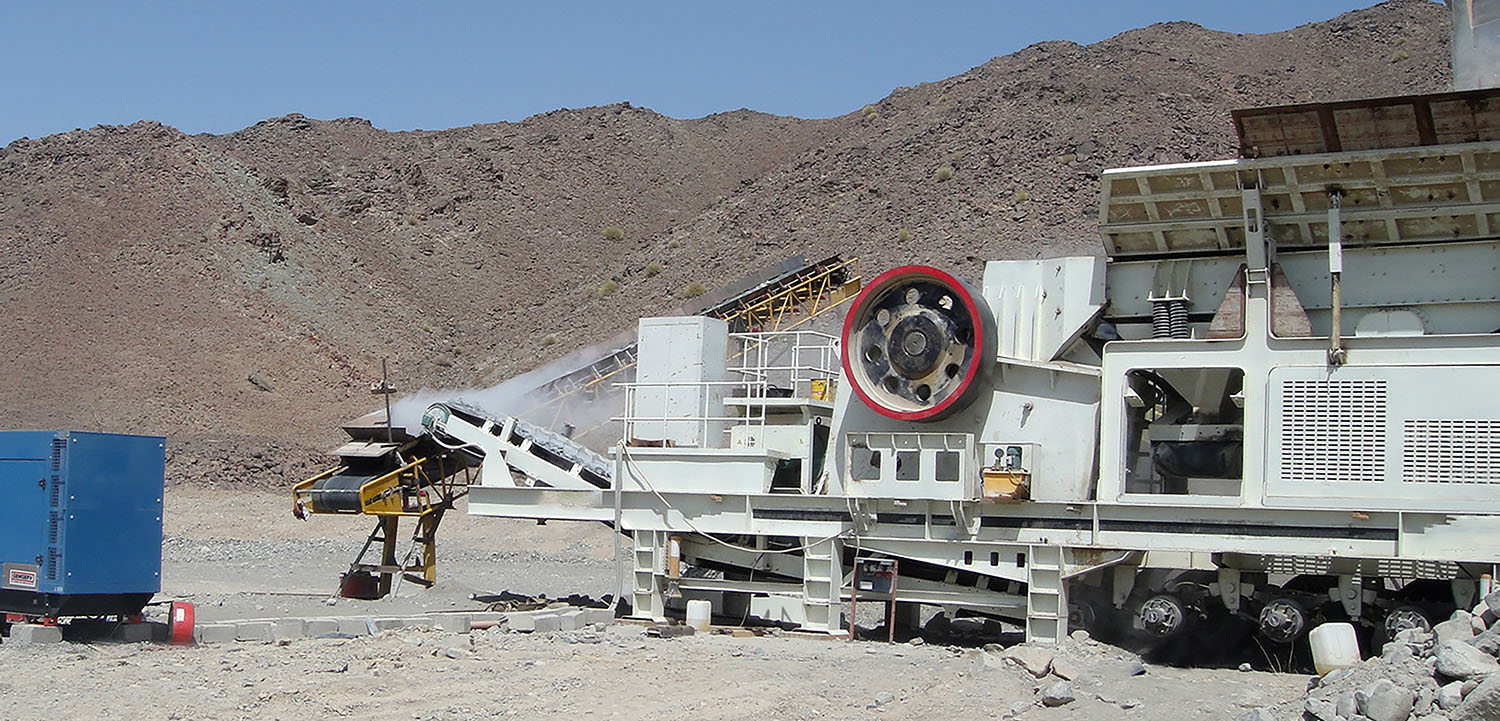
6. Plan Deployment, Maintenance and Project Economics
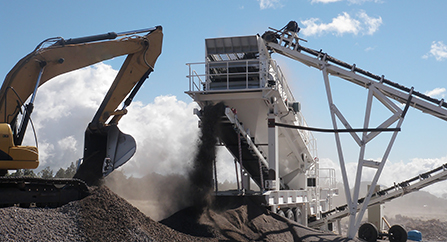
A mobile plant still requires a practical operating layout. Plan loader and truck routes, equipment spacing, conveyor connections, return chutes, separate product stockpiles, maintenance access and dust control.
| Project Condition | Decision Focus |
|---|---|
| One short project with uncertain follow-on work | Compare rental, contractor crushing and purchase using local availability and full project cost |
| Repeated contracts across several sites | Assess annual utilization, transport costs, equipment versatility and service support |
| Long-term production at one location | Compare mobile, modular and stationary layouts rather than assuming mobility is essential |
| Frequent relocation | Include disconnection, transport, setup, commissioning and production interruption in the schedule |
Check the actual drive arrangement and availability of electricity, fuel, water and drainage. Do not assume every mobile plant has the same diesel-electric or hydraulic configuration.
Compare transport, site preparation, energy, wear parts, operators, loading equipment, stockpiling and future redeployment. Mobile processing may reduce raw-material hauling, but this benefit must be weighed against moving and operating the equipment.
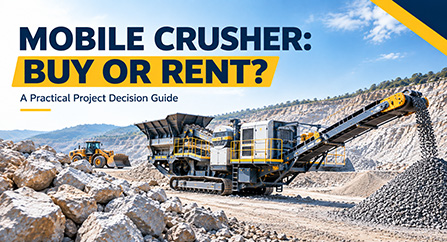
Read Mobile Crusher: Buy or Rent? for the ownership decision framework. Rental or rent-to-buy availability must be confirmed with the relevant supplier; this article does not promise a HAMAC rental service.
For project references, browse HAMAC mobile crushing plant cases, including published 100–120 TPH and 200 TPH mobile crushing and screening projects.
7. Request a 100–300 TPH Mobile Plant Recommendation
To recommend an appropriate mobile crushing and screening combination, HAMAC needs the material, production target, project schedule and relocation requirements.
| Information Needed | Details to Send |
|---|---|
| Material and feed | Type, photos, maximum size, grading, moisture, clay and contaminants |
| Products | Sizes, target proportions, end uses and quality requirements |
| Workload and schedule | Total tonnes, completion date, effective production days and daily hours |
| Capacity definition | Fresh-feed target or required saleable finished output |
| Mobility | Site repositioning, inter-project transport and expected relocation frequency |
| Site conditions | Country, access routes, ground, power, fuel, water and environmental requirements |
| Future use | Expected next projects, material changes, spare parts and service needs |
Are you processing limestone, granite, basalt or recycled concrete? Tell HAMAC how much material must be handled, when the project must be completed and how often the equipment will move.
Request a HAMAC 100–300 TPH Mobile Crushing and Screening Recommendation