



100 TPH Stone Crushing Plant: Equipment Configuration, Process and Layout Guide | HAMAC
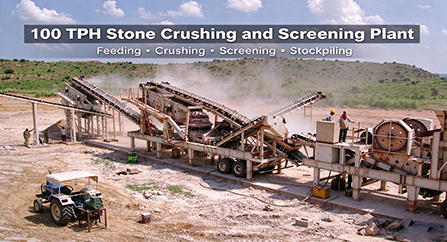
This capacity range is often suitable for small and medium quarries, local aggregate suppliers, concrete aggregate production, road construction projects and compact recycling operations. The correct configuration depends on the material, maximum feed size, final aggregate sizes, working hours, site layout and future expansion plan.
HAMAC provides stationary crushing plants, modular crushing plants, tyre type mobile crushers, tracked crushing plants, jaw crushers, impact crushers, cone crushers, vibrating screens, vibrating feeders, belt conveyors and sand washing machines for aggregate and mining projects.
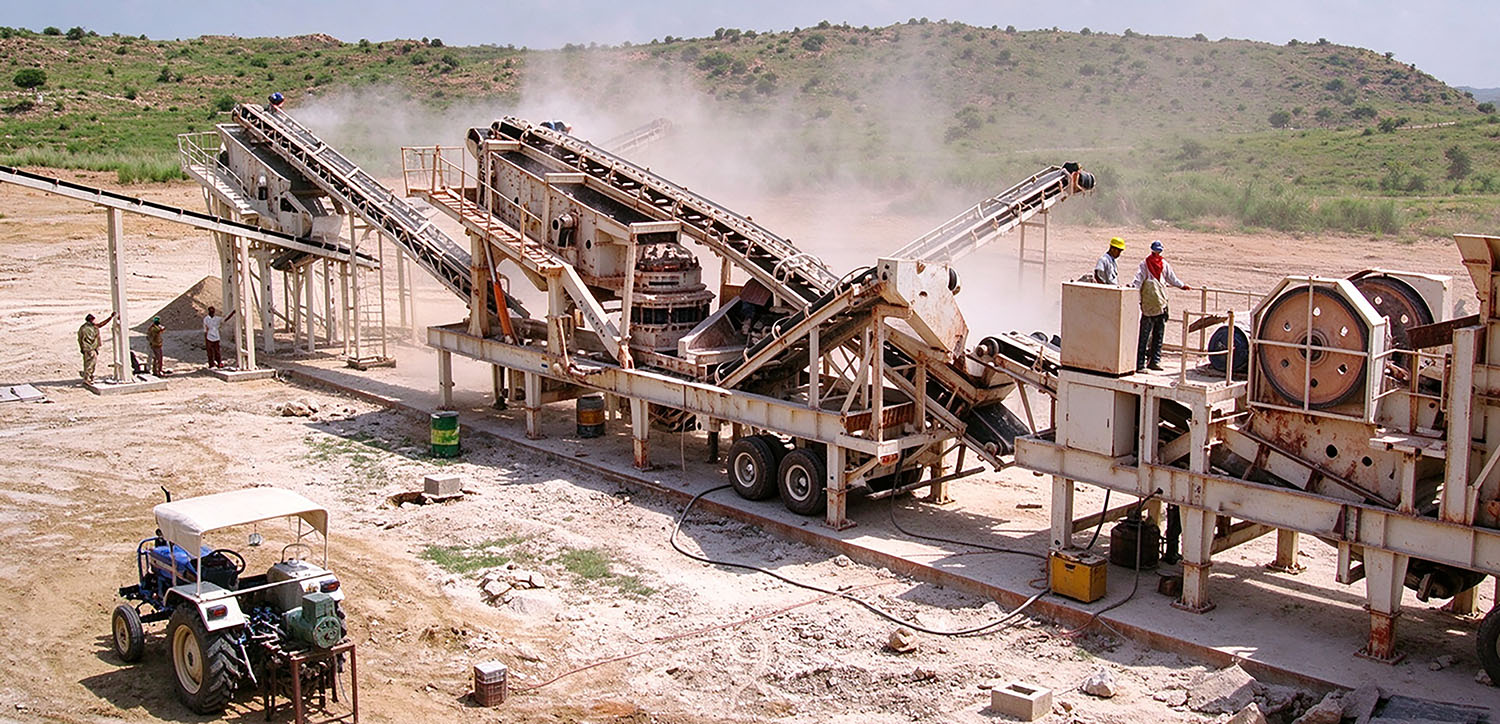
What Information Is Needed for a 100 TPH Crushing Plant?
Before selecting equipment, confirm the actual project requirements. A 100 TPH limestone plant, a 100 TPH granite plant and a 100 TPH concrete recycling plant can use different process routes.
| Project Input | What to Confirm | Why It Matters |
|---|---|---|
| Raw material | Limestone, granite, basalt, river stone, concrete, brick or other material | Determines crusher type, wear level and process route |
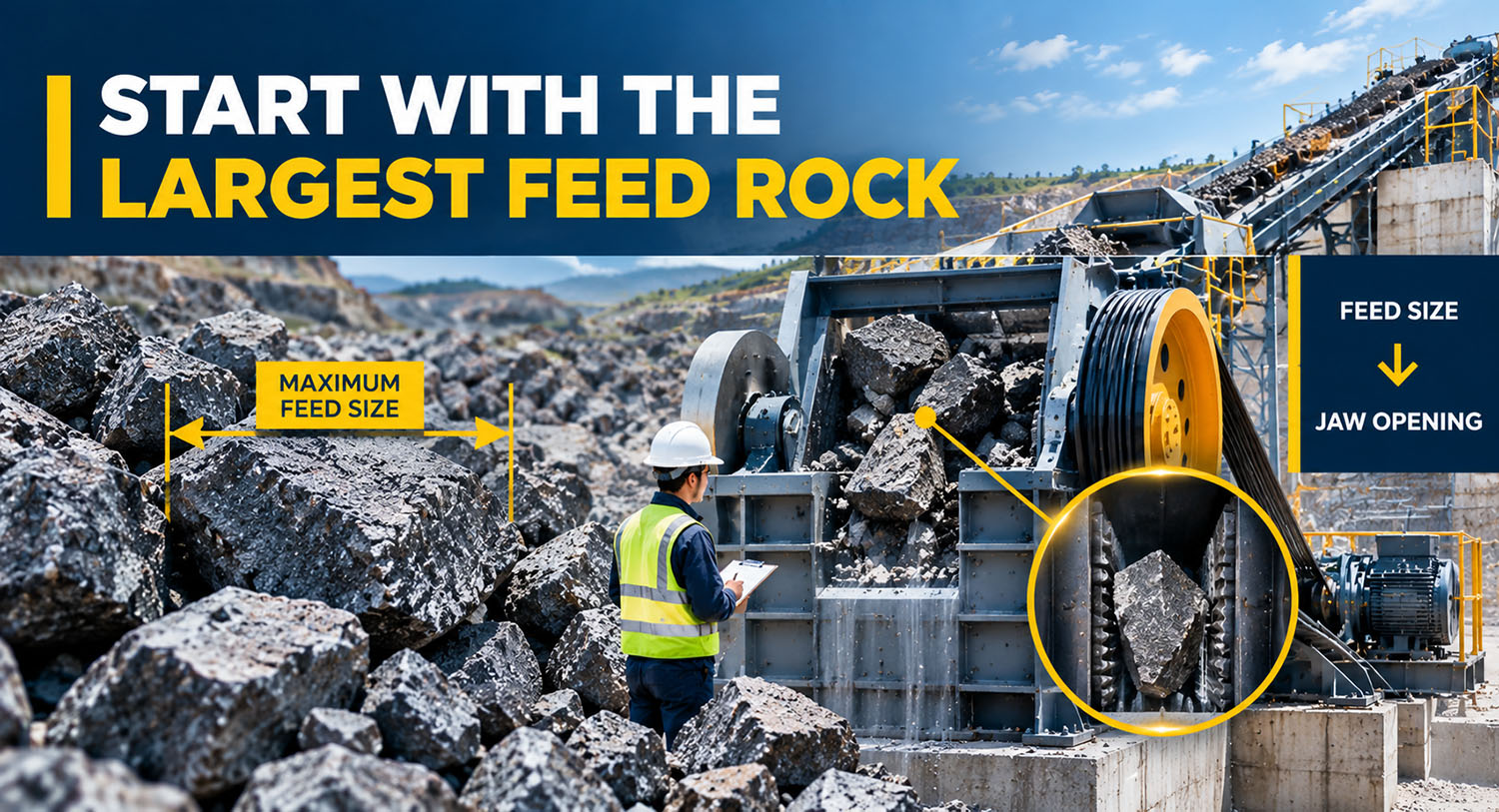
| Maximum feed size | Largest rock or material size in mm | Determines hopper, feeder and primary jaw crusher feed opening |
| Target output | Stable 100 TPH saleable output or 100 TPH feed capacity | Equipment must be sized as a complete system, not as one machine |
| Final products | For example, 0-5 mm, 5-10 mm, 10-20 mm and 20-31.5 mm | Determines screen decks, screen openings, return material and product conveyors |
| Operating schedule | Single shift, double shift, seasonal operation or continuous production | Converts hourly capacity into daily and monthly production planning |
| Site condition | Land area, power supply, water, transport route, climate and local requirements | Determines stationary, modular or mobile plant selection and layout |
As a general planning guideline, maximum feed size is commonly kept below the primary crusher feed opening and is often considered within approximately 60% to 80% of the opening. Final selection must consider rock shape, feed-size distribution, feeder design and operating conditions.
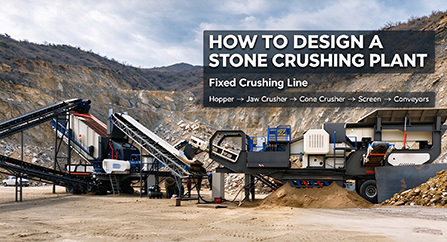
For the complete capacity-design framework, read How to Design a Stone Crushing Plant by Capacity: 100 TPH, 200 TPH and 300 TPH.
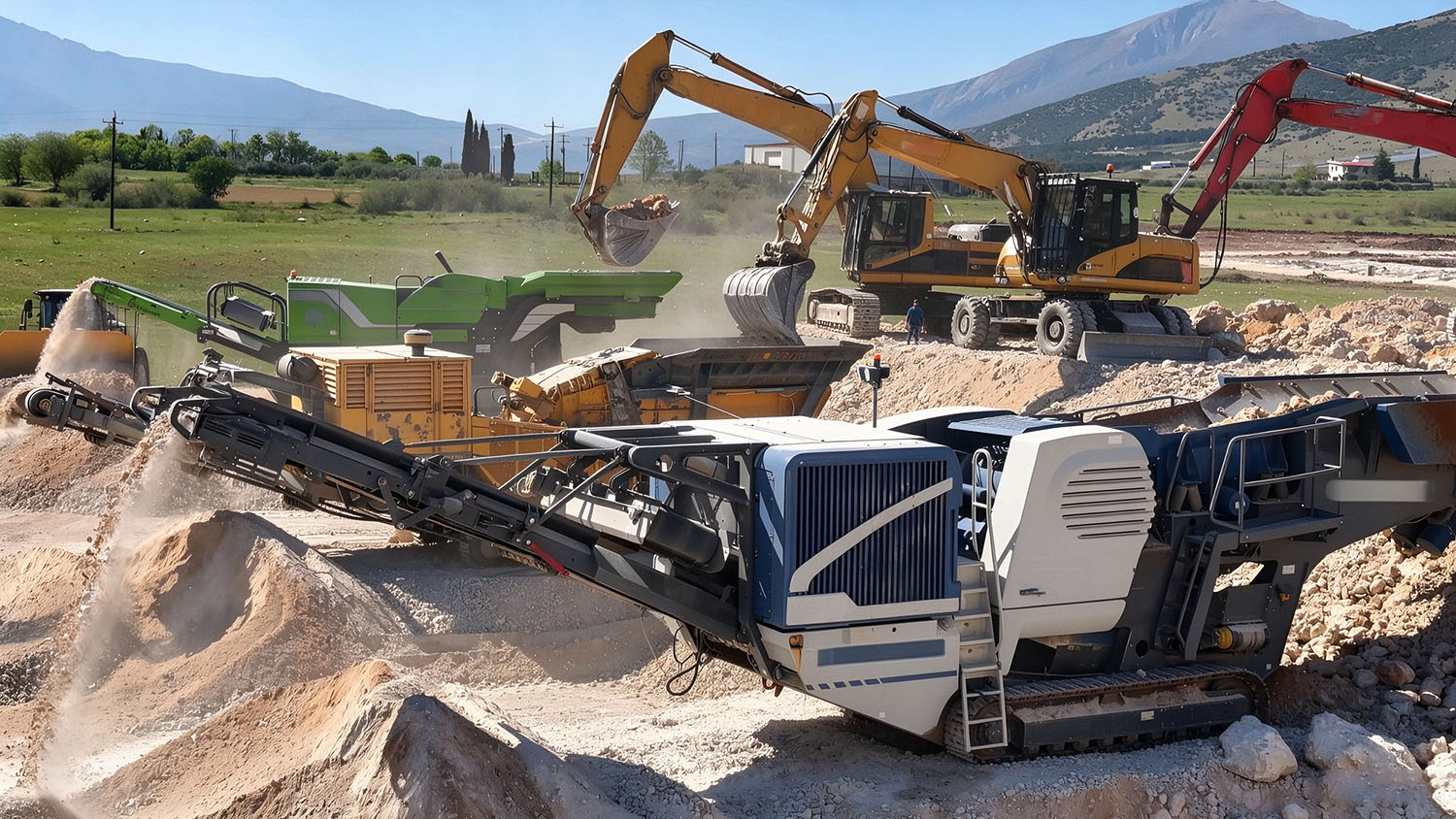
Two Typical 100 TPH Crushing Plant Configurations
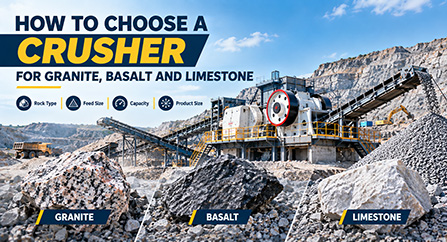
The right crushing route depends mainly on rock hardness, abrasiveness, feed size and final aggregate requirement. For many limestone and soft-rock projects, a jaw crusher and impact crusher route is commonly evaluated. For granite, basalt and other hard-rock projects, a jaw crusher and cone crusher route is commonly evaluated.
| Project Type | Reference 100 TPH Process | Main Customer Benefit |
|---|---|---|
| Limestone, dolomite and softer rock | Hopper + Vibrating Feeder + Jaw Crusher + PF Impact Crusher + Vibrating Screen + Product Conveyors | Compact two-stage process with secondary reduction and improved aggregate shape |
| Granite, basalt, river stone and hard rock | Hopper + Heavy-Duty Vibrating Feeder + Jaw Crusher + Cone Crusher + Vibrating Screen + Return Conveyor + Product Conveyors | More suitable direction for hard-rock secondary crushing and closed-circuit product control |
| Concrete and construction waste | Mobile Jaw Crusher or Mobile Impact Crusher + Screening Plant + Metal Removal and Dust Control as Required | On-site processing, lower material hauling requirement and flexible relocation |
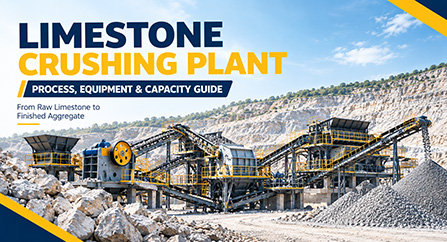
Typical 100 TPH limestone crushing process:
Hopper → Vibrating Feeder → Jaw Crusher → PF Impact Crusher → Vibrating Screen → Finished Product Conveyors
Typical 100 TPH granite or basalt crushing process:
Hopper → Heavy-Duty Vibrating Feeder → Jaw Crusher → Cone Crusher → Vibrating Screen → Finished Product Conveyors
In a closed-circuit plant, oversized material from the vibrating screen returns to the secondary crusher for further crushing. This helps control product grading and reduce oversized material in final stockpiles.
Industry crushing references describe jaw crushers as typical primary machines with approximate reduction ratios of 3:1 to 5:1. Horizontal-shaft impact crushers are often used in soft or medium-hard material with typical planning reduction ratios of about 5:1 to 10:1, while secondary cone crushers are commonly planned around approximately 3:1 to 4:1. These are general process-planning ranges, not performance guarantees; actual results depend on the material, feed gradation, crusher setting and operating conditions.
For material-based equipment selection, read How to Choose a Crusher for Granite, Basalt and Limestone.
Core Equipment for a 100 TPH Crushing and Screening Plant
| Plant Section | HAMAC Equipment Direction | Main Function | Key Selection Point |
|---|---|---|---|
| Raw material feeding | Hopper + Vibrating Feeder | Receive material, buffer feed and supply the primary crusher evenly | Maximum feed size, material flow, hopper volume and stable feeding |
| Primary crushing | PE Series Jaw Crusher or European Tech. Jaw Crusher | Reduce large rocks to a size suitable for secondary crushing | Feed opening, discharge setting, rock shape, hardness and maintenance access |
| Secondary crushing for soft rock | PF Impact Crusher | Further reduce limestone or similar material and improve aggregate shape | Moisture, abrasiveness, product shape, hammer wear and impact-plate wear |
| Secondary crushing for hard rock | Compound Cone Crusher, Symons Cone Crusher, HCS Hydraulic Cone Crusher or HP Hydraulic Cone Crusher | Provide secondary crushing for hard rock and support closed-circuit control | Chamber type, CSS, liner wear, feed size and recirculating load |
| Screening | Vibrating Screen | Separate finished aggregate sizes and control oversize return material | Screen area, number of decks, opening sizes, moisture and fines content |
| Material handling | Belt Conveyor | Transfer material between crushing, screening, return and stockpile stages | Material flow, transfer points, belt width, incline and stockpile distance |
| Optional sand production | Sand Making Machine + Fine Screen | Produce manufactured sand or improve fine aggregate shape | 0-5 mm demand, required sand grading and controlled fines content |
| Optional sand washing | Screw Type Sand Washing Machine | Wash fine aggregate and reduce unwanted clay or fines where required | Water supply, drainage, sand recovery and final product moisture |
HAMAC’s product range includes PE Series Jaw Crushers, European Tech. Jaw Crushers, PF Impact Crushers, cone crushers, vibrating screens, vibrating feeders and belt conveyors that can be evaluated as part of a project-based 100 TPH solution.
Screening and Closed-Circuit Control
For a 100 TPH plant, screening is not only the final step. It controls which material becomes saleable aggregate and which material must return for further crushing. If the screen is too small, has insufficient decks or uses unsuitable mesh openings, the plant may create high recirculating load, incorrect grading and lower saleable output.
| Finished Product Requirement | Screening and Conveying Direction |
|---|---|
| Two finished aggregate sizes | Simple screen arrangement with separate product conveyors |
| Three or four finished sizes | Multi-deck vibrating screen, more product conveyors and separate stockpile areas |
| 0-5 mm manufactured sand | Fine screening and evaluation of sand making or washing equipment |
| High-clay or wet feed | Evaluate pre-screening, screen-blinding risk, water management and screening media |
| Strict product gradation | Use a closed-circuit return conveyor to send oversize material back to the secondary crusher |
The target is not only 100 TPH through one crusher. The target is 100 TPH of stable, saleable aggregate at the required product sizes. A properly sized feeder, crusher, screen, return conveyor and product conveyor system is necessary to achieve this result.
For more screening guidance, visit How to Choose a Vibrating Screen for Aggregate Production.
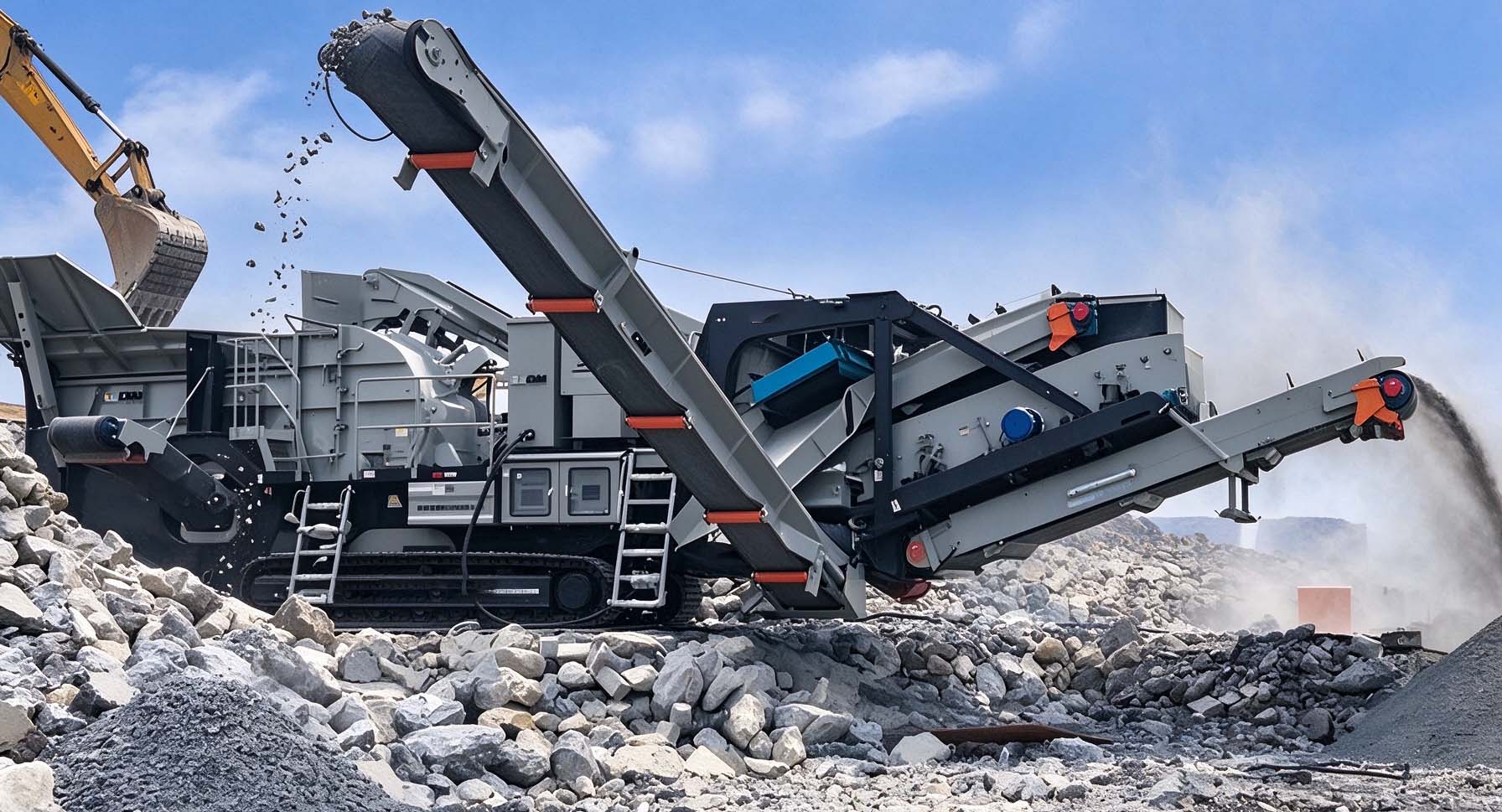
100 TPH Plant Layout Guide
A compact 100 TPH layout should reduce unnecessary material travel while keeping enough room for operation, maintenance, truck movement and future upgrades. Do not arrange equipment only by the shortest possible footprint.
| Layout Area | Planning Requirement |
|---|---|
| Raw material unloading and hopper | Provide safe truck or loader access, enough turning space and controlled material flow into the feeder |
| Primary and secondary crushing area | Keep access for inspection, jaw-plate or liner replacement, lifting and emergency maintenance |
| Screen and return circuit | Allow maintenance access to screen media, chutes, return conveyor and transfer points |
| Finished-product stockpiles | Separate product grades, prevent mixing and allow easy truck loading |
| Electrical and control area | Protect control equipment from dust, vibration, water and traffic impact |
| Dust and water-control area | Plan water supply, spray points, drainage, transfer-point sealing and housekeeping access |
| Future expansion space | Reserve room for a sand maker, sand washer, extra screen, additional conveyor or dust-control equipment |
Plant design references emphasize that a complete crushing system includes feeding, crushing, screening, conveying, stockpiling, loading, automation, environmental control and wear protection. A balanced layout helps the plant produce required aggregate grades with practical maintenance access and lower operating risk.
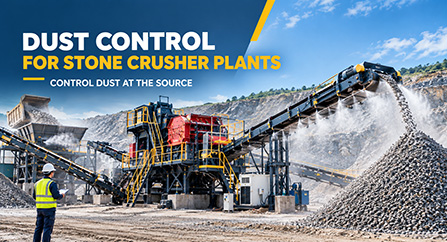
For crusher plant dust-control planning, read Dust Control for Stone Crusher Plants: Engineering Solutions and Compliance Guide. For external engineering-control guidance on crusher dust, see NIOSH best practices for dust control in crushing facilities.
Stationary, Modular or Mobile 100 TPH Plant?
| Plant Option | Suitable Project | Main Benefit |
|---|---|---|
| Stationary 100 TPH Crushing Plant | Long-term quarry, stable aggregate market and permanent site | Stable layout, easier product stockpiling and future expansion |
| Modular 100 TPH Crushing Plant | Project needing faster installation or staged investment | Flexible configuration and easier capacity adjustment |
| Tyre Type Mobile 100 TPH Plant | Road projects, temporary sites and locations with suitable transport routes | Flexible relocation and relatively fast deployment |
| Tracked 100 TPH Crushing and Screening Plant | Frequent relocation, quarry-face movement and concrete recycling | Self-propelled movement and strong site adaptability |
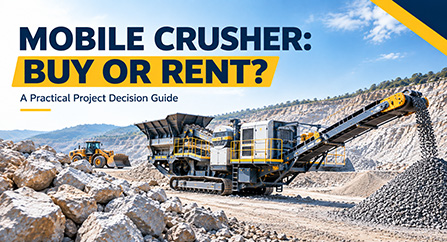
For customers comparing ownership and short-term project use, read Mobile Crusher: Buy or Rent? A Practical Cost and Project Decision Guide.
Common 100 TPH Plant Design Mistakes
Choosing equipment only by rated TPH: Actual output changes with feed size, rock hardness, water content, clay, crusher setting, screen efficiency and return material.
Ignoring screening capacity: A plant can have enough crusher capacity but still produce low saleable output if screening and return material handling are insufficient.
Using one configuration for all materials: A 100 TPH limestone plant and a 100 TPH granite plant normally need different secondary-crushing and wear-management approaches.
Forgetting layout and maintenance space: A compact plant still needs space for jaw-plate changes, liner maintenance, screen access, conveyor inspection and truck movement.
Planning only for current demand: Reserve space, electrical capacity and conveyor interfaces for future sand making, washing, screening or capacity expansion.
Request a 100 TPH Crushing Plant Recommendation
To recommend a suitable 100 TPH stone crushing and screening plant, HAMAC needs the project information below:
| Information Needed | Example |
|---|---|
| Raw material | Limestone, granite, basalt, river stone, concrete or construction waste |
| Maximum feed size | 300 mm, 400 mm, 500 mm or other actual maximum size |
| Target capacity | Stable 100 TPH output or other required operating capacity |
| Final product sizes | 0-5 mm, 5-10 mm, 10-20 mm and 20-31.5 mm |
| Plant type | Stationary, modular, tyre type mobile or tracked mobile |
| Project location | Country, voltage, climate, site layout and delivery requirement |
| Special requirements | Sand making, washing, dust control, automation or future expansion |
Are you planning a 100 TPH limestone, granite, basalt or recycled-concrete crushing plant?
Do you need a stationary, modular or mobile 100 TPH crushing and screening solution?
Send HAMAC your material photos, maximum feed size, required product sizes and project location. Our team can recommend a project-based 100 TPH crushing plant configuration.
Contact HAMAC for a 100 TPH Stone Crushing Plant Design and Quotation