



Limestone Crushing Plant: Process, Equipment and Capacity Guide | HAMAC
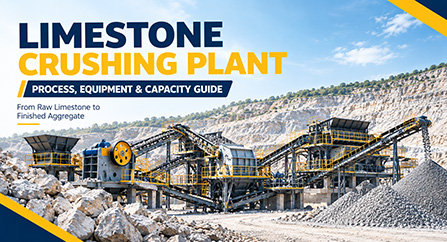
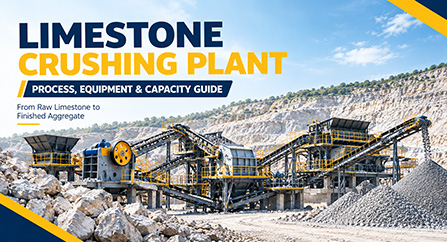
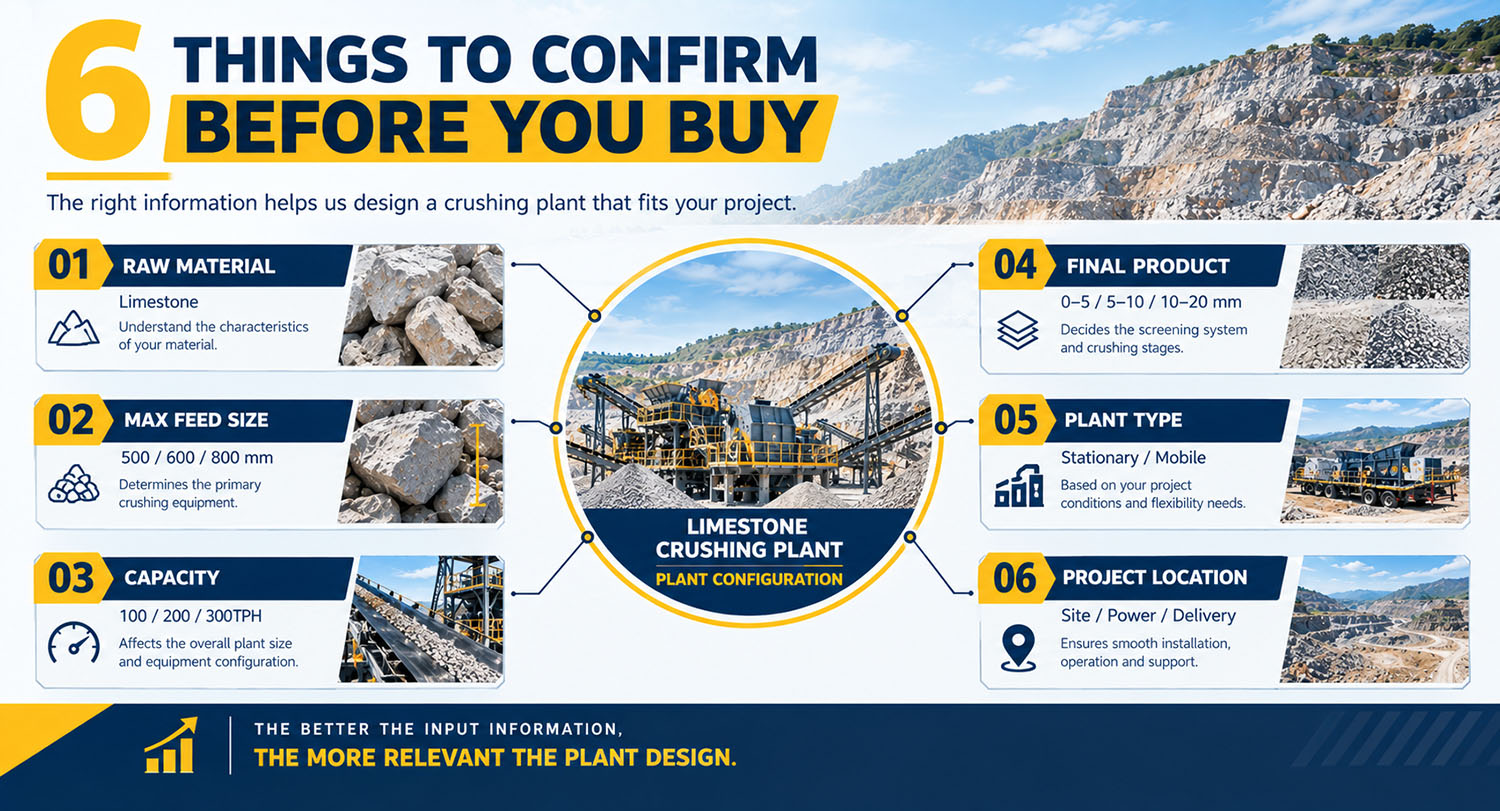
A limestone crushing plant is used to process raw limestone into different aggregate sizes for concrete plants, road projects, building materials and other construction applications. Before choosing equipment, buyers should confirm the maximum feed size, required capacity, final product sizes, moisture content and site conditions.
For many limestone aggregate projects, the common crushing route is:
Hopper → Vibrating Feeder → Jaw Crusher → Impact Crusher → Vibrating Screen → Finished Aggregate
This configuration is widely used because the jaw crusher can handle large limestone blocks, while the impact crusher can further reduce material size and improve aggregate shape. Final products are separated by a vibrating screen, and oversized material can return to the crusher for further crushing.
What Equipment Is Used in a Limestone Crushing Plant?
| Equipment | Main Function | Typical Application |
|---|---|---|
| Vibrating Feeder | Feeds raw limestone evenly into the primary crusher | Helps maintain stable crusher output and reduce overfeeding |
| Jaw Crusher | Primary crushing of large limestone blocks | Usually installed at the first crushing stage |
| Impact Crusher | Secondary crushing and aggregate shaping | Commonly used for limestone, concrete aggregate and road base material |
| Vibrating Screen | Separates crushed stone into required sizes | Can produce 0-5 mm, 5-10 mm, 10-20 mm and 20-31.5 mm products |
| Belt Conveyor | Transfers material between crushing, screening and stockpiling stages | Supports continuous material handling across the complete plant |
HAMAC provides equipment for stationary crushing plants, mobile crusher plants, modular crushing plants and supporting equipment such as vibrating feeders, vibrating screens and belt conveyors. View HAMAC crushing and screening equipment.
Typical Limestone Crushing Process
The first stage is primary crushing. Large limestone rocks are fed into a jaw crusher through a hopper and vibrating feeder. The jaw crusher reduces large material to a smaller size suitable for the next crushing stage.
The second stage is usually impact crushing. A PF impact crusher can further reduce limestone and help produce better-shaped aggregate for concrete, asphalt, road base and building material applications.
After crushing, the material enters a vibrating screen. The screen separates finished aggregate into different grades. Material that is too large can be returned to the impact crusher, creating a closed-circuit crushing process.
If the project requires manufactured sand or a high percentage of fine material, a sand making machine and optional sand washing system can be added to the limestone crushing and screening plant.
Jaw Crusher and Impact Crusher for Limestone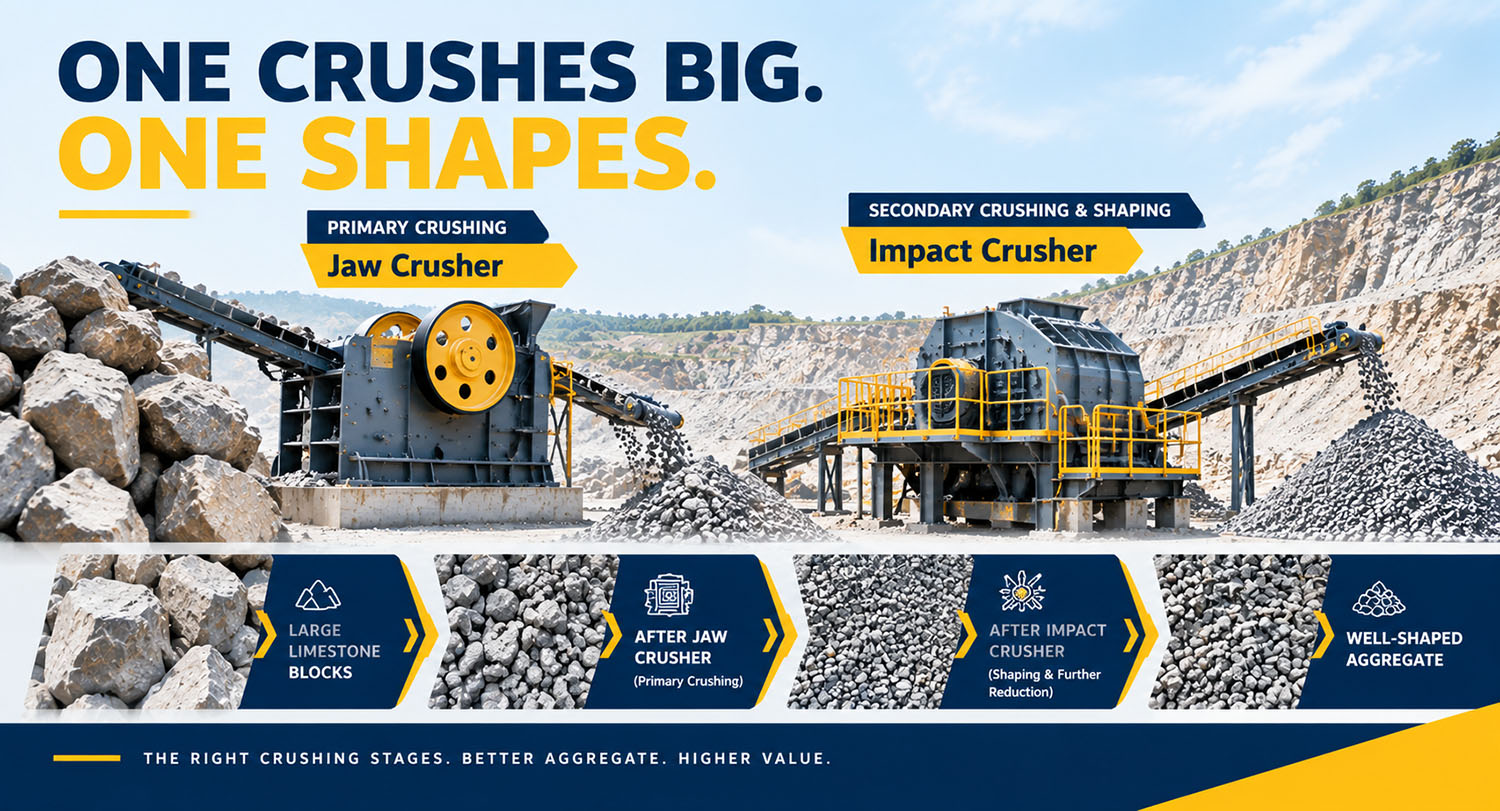
| Comparison Item | Jaw Crusher | Impact Crusher |
|---|---|---|
| Main Role | Primary crushing | Secondary crushing and shaping |
| Feed Material | Large limestone blocks | Pre-crushed limestone from the jaw crusher |
| Typical Position | First stage of the crushing plant | After the jaw crusher |
| Main Benefit | Strong capacity for large feed material | High reduction ratio and improved aggregate shape |
| Suitable Use | Primary limestone crushing | Limestone aggregate production and road material production |
For many limestone crushing projects, a jaw crusher and impact crusher combination is a practical solution. However, the final equipment configuration should be selected according to material size, moisture, clay content, abrasiveness, required capacity and final aggregate specifications.
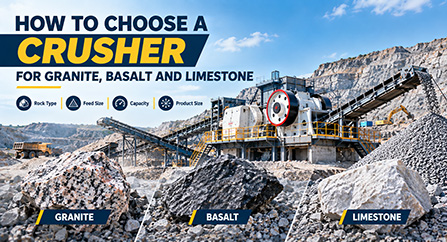
For a broader comparison of crusher selection by material type, read How to Choose a Crusher for Granite, Basalt and Limestone.
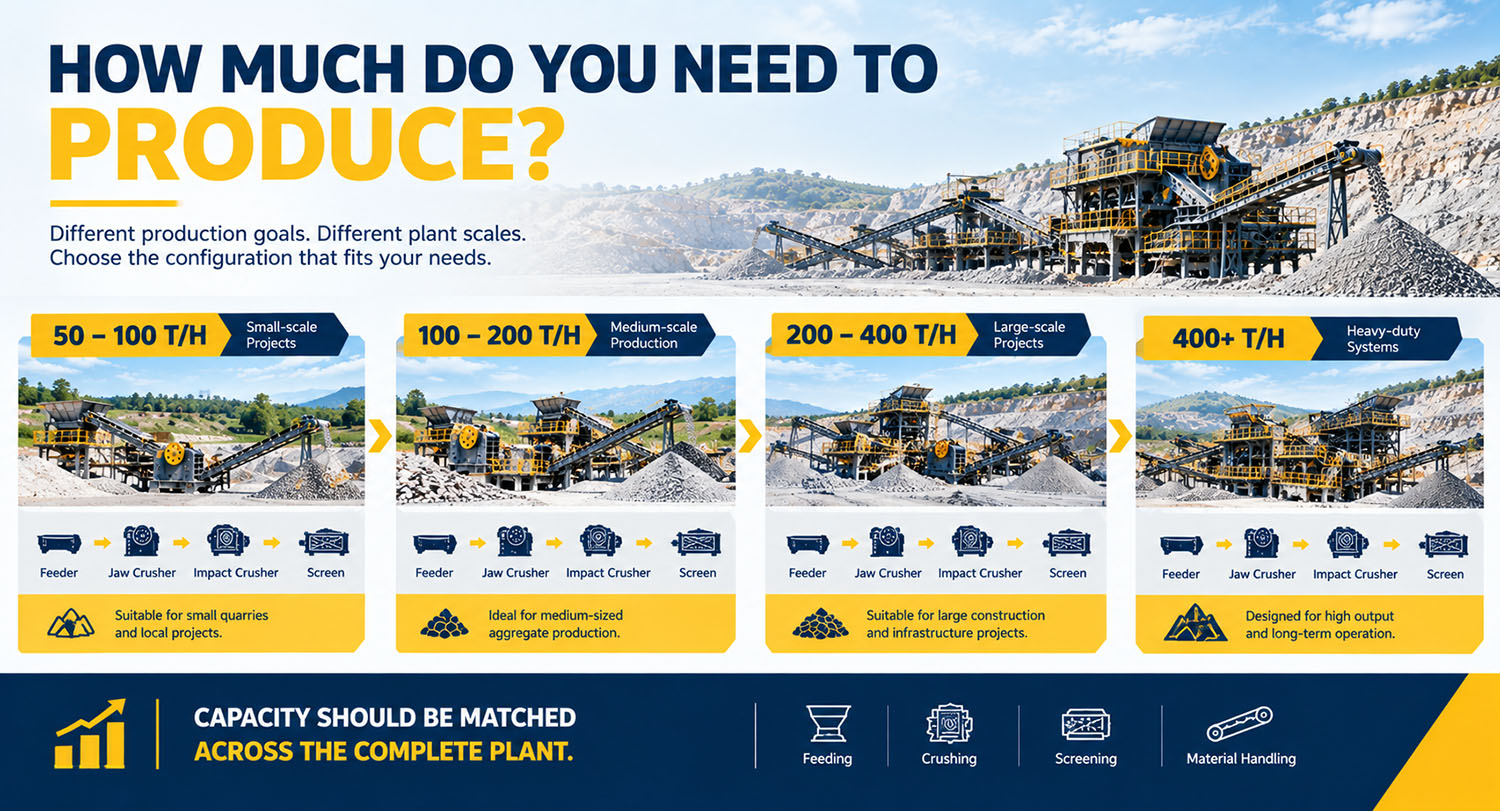
Typical Limestone Crushing Plant Configurations
| Required Capacity | Typical Configuration Direction | Suitable Application |
|---|---|---|
| 50-100 TPH | Feeder + Jaw Crusher + Impact Crusher + Vibrating Screen + Conveyors | Small quarry, local aggregate supply and construction projects |
| 100-200 TPH | Heavy-duty Feeder + Jaw Crusher + Impact Crusher + Multi-deck Screen + Conveyors | Commercial aggregate production and concrete aggregate supply |
| 200-400 TPH | Larger Primary Crusher + Impact Crusher + Multi-screening System + Stockpiling | Medium and large limestone aggregate plants |
| 400 TPH and Above | Heavy-duty Crushing, Screening, Conveying, Dust Control and Automation System | Large quarry operations, long-term projects and infrastructure supply |
These configurations are reference directions only. A complete limestone crusher plant should be designed based on the actual feed size, target TPH, required aggregate sizes, operating hours, site layout and local power conditions.
What Affects Limestone Crushing Plant Output?
The actual output of a limestone crushing plant is not determined only by the rated capacity of one crusher. Stable production depends on the complete process, including feeding, crushing, screening and material handling.
Key factors that affect output include maximum feed size, limestone hardness, moisture content, clay content, feed uniformity, crusher discharge setting, screen capacity, return material ratio and required final product sizes.
A crushing plant should be designed to produce stable saleable aggregate, not only to achieve a theoretical crusher capacity. Proper feeding and screening are especially important because they affect crusher efficiency, product grading and recirculating load.
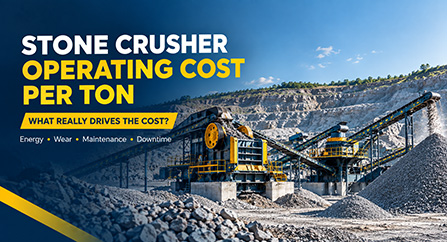
For operating cost planning, read Stone Crusher Operating Cost Per Ton: Calculation and Cost Reduction.
Frequently Asked Questions
What is the best crusher for limestone?
For many limestone aggregate projects, a jaw crusher is used for primary crushing and an impact crusher is used for secondary crushing and aggregate shaping. The final choice depends on feed size, moisture, abrasiveness, capacity and final product requirements.
Can a jaw crusher crush limestone?
Yes. A jaw crusher is commonly used to crush large limestone rocks in the first stage of a limestone crushing plant.
Can a limestone crushing plant produce different aggregate sizes?
Yes. With a suitable vibrating screen and closed-circuit crushing process, one limestone crushing and screening plant can produce several aggregate sizes, such as 0-5 mm, 5-10 mm, 10-20 mm and 20-31.5 mm.
Can limestone be processed by a mobile crusher plant?
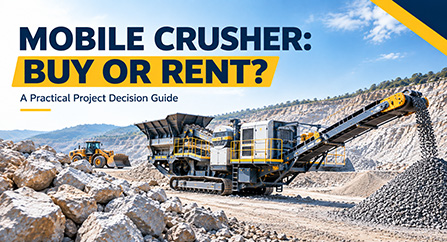
Yes. A mobile jaw crusher plant, mobile impact crusher plant or tracked crushing plant can be suitable for limestone processing when the project requires flexible installation, relocation or processing near the quarry face.
For general crushed-stone market and production information, visit the USGS Crushed Stone Statistics and Information page.
Request a Limestone Crushing Plant Solution
Are you planning a 100 TPH, 200 TPH, 300 TPH or larger limestone crushing plant?
Please send your raw material photos, maximum feed size, target capacity, final aggregate sizes and project location. HAMAC can recommend a suitable jaw crusher, impact crusher, vibrating screen, conveyor system and plant configuration for your limestone project.
Contact HAMAC for Limestone Crushing Plant Equipment and Project Support