





Jaw Crusher Maintenance Checklist: Daily, Weekly and Monthly | HAMAC
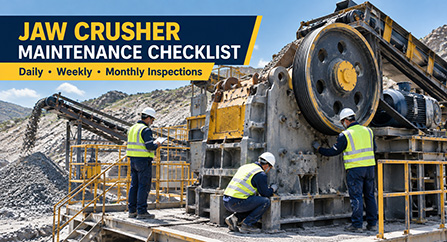
Jaw crusher maintenance does not need to be complicated. Operators should check the machine briefly every day, complete several additional checks every week and arrange a more detailed inspection during the monthly planned shutdown.
The main areas are lubrication, jaw plates, bearings, belts, bolts, feeding and discharge. Finding a small change early can help prevent an unexpected shutdown and more expensive damage.
This checklist is a general guide. Always follow the lubricant type, quantity, tightening torque, wear limit and service interval specified for your HAMAC jaw crusher model.
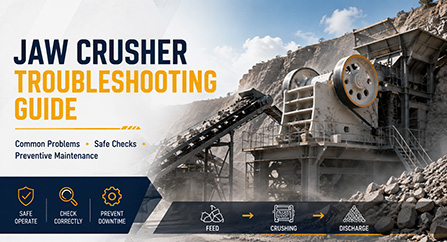
For common operating problems, see HAMAC’s Jaw Crusher Troubleshooting Guide.

Checklist at a Glance
| Frequency | Main Checks | Purpose |
|---|---|---|
| Daily | Lubrication, jaw plates, bolts, guards, belts, temperature, noise, feeding and discharge | Find problems that could immediately affect safety or production |
| Weekly | Bearings, belt tension, flywheel, foundation bolts, feeder and operating records | Find developing wear, looseness and alignment problems |
| Monthly | CSS, jaw plate wear, toggle system, structure, foundation and maintenance history | Plan repairs and replacement parts before failure |
Safety Before Inspection
Never inspect, clean, adjust or remove material while the jaw crusher is energized or capable of movement.
Before entering a restricted area or removing a guard:
| 1 | Stop the feeder and allow normal material flow to clear where possible. |
| 2 | Shut down the crusher according to the approved sequence. |
| 3 | Isolate and lock out all energy sources. |
| 4 | Wait until the flywheel and all moving parts have stopped. |
| 5 | Control unstable material in the hopper and crushing chamber. |
For general maintenance-safety information, see the OSHA Control of Hazardous Energy Standard.
Daily Jaw Crusher Checklist
Complete the daily inspection before startup and continue observing the crusher during operation.
| Check | What to Look For | Action |
|---|---|---|
| Work area | Tools, loose material, oil leaks or obstacles | Clean the area before startup. |
| Guards and safety devices | Missing, damaged or loose guards | Repair before operating. |
| Lubrication | Low level, leakage, blocked line or grease contamination | Follow the model-specific lubrication instructions. |
| Jaw plates | Loose bolts, cracks, broken teeth or uneven wear | Arrange tightening or replacement when required. |
| Belts | Cracks, slippage, looseness or abnormal wear | Inspect tension and alignment after shutdown. |
| Feed | Oversized rock, uneven feed, tramp metal or sudden surges | Correct the feed before it enters the crusher. |
| Discharge | Blocked chute, stopped conveyor or material backup | Stop the feed and clear the problem safely. |
| Noise and vibration | New knocking, grinding, squealing or heavy shaking | Stop the crusher if the condition is severe or increasing. |
| Bearing temperature | Temperature higher than the normal operating baseline | Check lubrication, belts, load and bearing condition. |
What to Watch During Operation
| Operating Item | Normal Condition | Warning Sign |
|---|---|---|
| Feeding | Continuous and centred | Large surges, empty running or feed on one side |
| Motor load | Stable under similar feed conditions | Sudden increase or repeated overload |
| Noise | Consistent with the normal sound | Metallic knock, grinding or squealing |
| Vibration | Consistent with the normal baseline | Sudden or increasing vibration |
| Discharge | Continuous material flow | Reduced flow, buildup or material backup |
| Production | Close to the normal TPH for the same material and CSS | Continuous decrease in output |
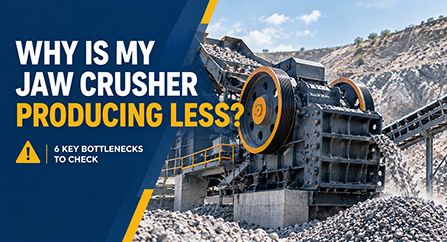
If production falls while motor load increases, check for oversized feed, a tight CSS, worn jaw plates or restricted discharge.
For detailed low-output checks, read Jaw Crusher Low Production: Causes and Solutions.

Weekly Jaw Crusher Checklist
The weekly inspection should focus on parts that gradually loosen, wear or move out of alignment.
| Check | What to Look For | Action |
|---|---|---|
| Foundation and frame bolts | Loose or missing fasteners | Tighten using the approved procedure. |
| Flywheel and pulley | Buildup, cracks, looseness or visible movement | Clean and inspect after isolation. |
| Belt tension and alignment | Loose, tight or misaligned belts | Adjust according to the equipment instructions. |
| Bearings | Temperature, vibration, noise or grease leakage | Compare with the previous week’s record. |
| Hopper and feeder | Cracks, loose parts, buildup or unstable feeding | Repair and clean before the condition becomes worse. |
| Jaw plates and cheek plates | Loose fasteners, cracks and uneven wear | Record the condition and prepare parts if necessary. |
For feeding equipment that delivers material continuously to the crusher, visit the HAMAC Vibrating Feeder page.
Monthly Jaw Crusher Checklist
Complete the monthly inspection during a planned shutdown. Focus on wear, settings and long-term changes.
| Check | What to Measure or Inspect | Why It Matters |
|---|---|---|
| Closed side setting | Measure and record the actual CSS in millimetres | CSS affects product size, load and production. |
| Jaw plate wear | Thickness, tooth profile, cracks and uneven wear | Helps plan replacement before output decreases. |
| Toggle system | Toggle plate, seats, tension rod and spring | Identifies looseness, cracks and abnormal wear. |
| Bearings and seals | Temperature history, grease, leakage and vibration | Helps identify developing bearing problems. |
| Foundation and structure | Cracks, movement, loose anchor bolts or poor support | Reduces vibration and alignment problems. |
| Maintenance records | Repeated alarms, blockages, overheating and downtime | Shows which problem should be corrected first. |
Do not replace jaw plates only because a fixed number of months has passed. Use their measured wear, condition, processed tonnage, CSS and production trend.
For more information, read the HAMAC Jaw Plate and Crusher Liner Wear Guide.
Simple Data to Record
You do not need a complicated monitoring system. Record the following values in the same way and at the same location each time.
| Data | Unit or Record | What a Change May Mean |
|---|---|---|
| Operating time | Hours | Helps plan maintenance by actual usage. |
| Average production | T/H or TPH | A decrease may indicate wear, poor feeding or blockage. |
| Bearing temperature | °C at the same measurement point | A rising trend may indicate lubrication, load or bearing problems. |
| Motor current | A | A sudden increase may indicate overload or restricted material flow. |
| CSS | mm | A change may affect product size and crusher load. |
| Jaw plate thickness | mm at fixed measurement points | Helps estimate remaining wear life. |
| Downtime | Minutes and reason | Shows the largest source of production loss. |
Important: Do not apply one temperature, CSS, grease quantity or wear limit to every jaw crusher. Use the limits specified for the actual model.
When Should You Stop the Crusher?
| Warning Sign | Recommended Action |
|---|---|
| Bearing temperature rises rapidly | Stop production and inspect the lubrication, belt and bearing. |
| New metallic knocking or grinding noise | Stop and inspect after energy isolation. |
| Severe or increasing vibration | Check the foundation, bolts, flywheel, bearings and feed. |
| Smoke, burning smell or hot belt | Stop immediately. |
| Cracked jaw plate, frame or structural component | Do not continue operating until inspected. |
| Blocked discharge or material backing into the chamber | Stop the feed and follow the approved blockage-clearing procedure. |
| Damaged or missing safety guard | Repair the guard before restarting. |
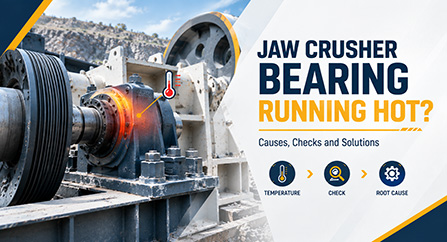
For bearing temperature problems, see Jaw Crusher Bearing Overheating: Causes and Prevention.
For vibration and noise problems, see Jaw Crusher Vibration and Abnormal Noise Troubleshooting.
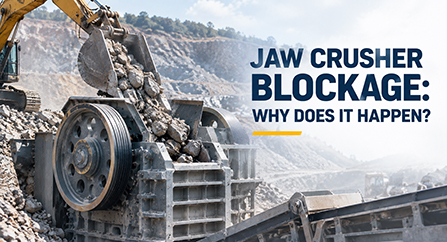
For recurring blockage, see Jaw Crusher Blockage and Choking Guide.
Common Maintenance Mistakes
| Mistake | Better Practice |
|---|---|
| Adding more grease whenever a bearing becomes hot | Check grease type, quantity, leakage, temperature and load first. |
| Checking only the jaw crusher | Also inspect the feeder, discharge conveyor and screen. |
| Ignoring occasional oversized rocks | Control the largest feed pieces before they enter the hopper. |
| Replacing jaw plates only by calendar date | Use actual wear, tonnage and condition. |
| Recording only “normal” or “abnormal” | Record temperature, current, CSS, TPH and downtime values. |
| Continuing to operate after a new knocking sound appears | Stop and identify the source before more damage occurs. |
For product information, visit the HAMAC PE Series Jaw Crusher and HAMAC European Tech Jaw Crusher pages.
Need a maintenance or spare-parts recommendation? Send HAMAC your crusher model, material, feed size, CSS, production, operating hours and inspection photos.
Contact HAMAC Technical Support
Frequently Asked Questions
How often should a jaw crusher be inspected?
Complete a basic inspection every day, inspect belts, bolts, bearings and the feeder every week, and measure CSS and wear parts during the monthly planned shutdown. Increase the frequency for severe or dusty working conditions.
What should be checked before starting a jaw crusher?
Check the work area, guards, lubrication, jaw plates, visible fasteners, belts, feed opening and discharge path. Do not start the crusher if a guard is missing or material is blocking the discharge.
What should be recorded during operation?
Record operating hours, average TPH, bearing temperature, motor current, noise, vibration and downtime. Use the same measurement points and similar operating conditions each time.
How often should jaw plates be replaced?
There is no single replacement period for every application. Replace or rotate the plates according to measured wear, cracks, tooth profile, CSS, processed tonnage and the instructions for the specific crusher.
When should a jaw crusher be stopped?
Stop the crusher if it develops rapidly rising temperature, severe vibration, metallic knocking, grinding noise, smoke, burning smell, visible cracks or a blocked discharge path.
Final Daily Reminder
Look, listen and record. Check lubrication, wear parts, bolts, belts, feeding, discharge, temperature, noise and vibration. A short inspection at the beginning of each shift can help prevent a longer shutdown later.
Ask HAMAC for Jaw Crusher Maintenance and Spare-Parts Support