



Basalt Crushing Plant: Equipment, Process and Capacity Guide | HAMAC
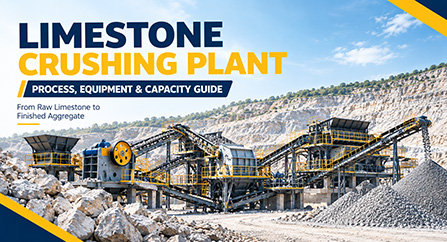
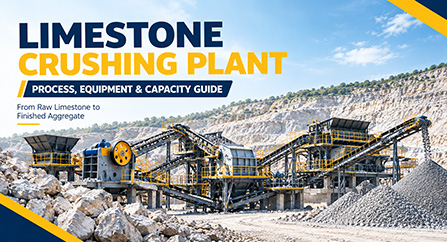
What equipment is required for a basalt crushing plant? The standard solution is a vibrating feeder, jaw crusher, cone crusher and vibrating screen. This configuration is suitable because basalt is normally hard and abrasive.
The final equipment models should be selected according to maximum feed size, required capacity, final product sizes and plant type.
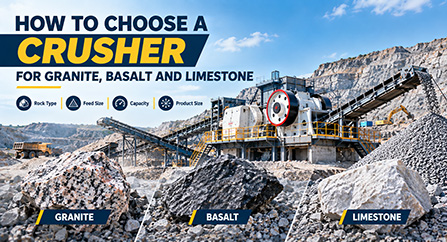
For a wider comparison of crushers for different rocks, read HAMAC’s Crusher Selection Guide for Granite, Basalt and Limestone.
Quick Basalt Plant Configuration
| Production Requirement | Recommended Equipment |
|---|---|
| Standard basalt aggregate | Vibrating Feeder + Jaw Crusher + Cone Crusher + Vibrating Screen |
| Several aggregate sizes | Vibrating Feeder + Jaw Crusher + Cone Crusher + Multi-Deck Screen |
| Smaller basalt aggregate | Jaw Crusher + Cone Crusher + Fine Cone Crusher + Screen |
| Manufactured basalt sand | Jaw Crusher + Cone Crusher + Sand Maker + Screen |
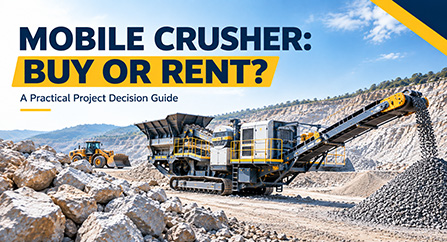
| Frequent relocation | Mobile Jaw Crusher + Mobile Cone Crusher + Mobile Screen |
This table shows typical configurations. Actual basalt hardness, abrasiveness, moisture and feed gradation may change the final equipment selection.
For general geological information about basalt, see the Encyclopaedia Britannica basalt overview.
Why Use a Jaw Crusher?
A jaw crusher is normally used for primary basalt crushing. It accepts large rocks and reduces them to a suitable size for the secondary cone crusher.
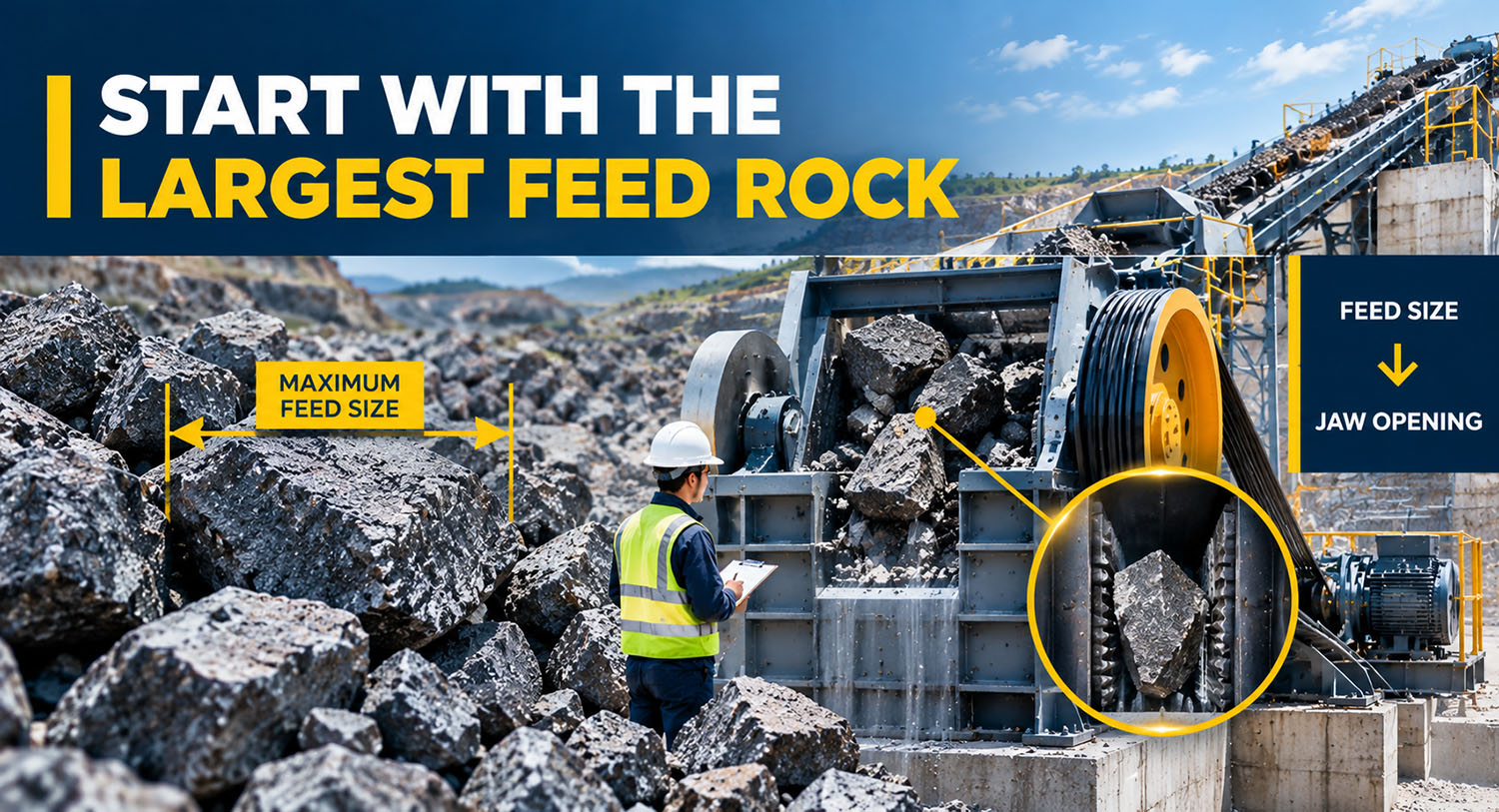
The jaw crusher model should be selected according to the largest occasional feed rock—not only the average feed size.
| HAMAC Model | Maximum Feed Size | Reference Capacity | Motor Power |
|---|---|---|---|
| PE400×600 | 340 mm | 16–60 T/H | 30 kW |
| PE600×900 | 500 mm | 80–180 T/H | 55–75 kW |
| PE750×1060 | 630 mm | 110–320 T/H | 90–110 kW |
| PE900×1200 | 780 mm | 220–450 T/H | 110–132 kW |
| PE1200×1500 | 1020 mm | 400–800 T/H | 160–220 kW |
These are reference specifications. Actual basalt output depends on feed gradation, material hardness, CSS, jaw plate condition and downstream equipment.
For current specifications, visit the HAMAC PE Series Jaw Crusher.
For larger primary-crushing applications, see the HAMAC European Tech Jaw Crusher.
Why Use a Cone Crusher?
A cone crusher is generally suitable for secondary or fine crushing of basalt. It uses compression crushing, which is normally more suitable for continuous processing of hard and abrasive rock than relying only on high-speed impact.
The cone crusher chamber should match the jaw crusher discharge size and required final product. An unsuitable feed size, CSS or liner profile may reduce capacity and increase liner wear.
For an explanation of the cone crusher’s role, read What Is the Role of a Cone Crusher in a Crushing Plant?
For liner selection and wear control, read the HAMAC Cone Crusher Liner Material Guide.
Three Basalt Crushing Processes
| Process | Equipment Flow | Application |
|---|---|---|
| Standard aggregate | Feeder → Jaw Crusher → Cone Crusher → Screen | Common road, concrete and construction aggregate |
| Fine aggregate | Feeder → Jaw Crusher → Cone Crusher → Fine Cone Crusher → Screen | Smaller and more controlled aggregate sizes |
| Manufactured sand | Feeder → Jaw Crusher → Cone Crusher → Sand Maker → Screen | Fine aggregate, manufactured sand and particle shaping |
A vibrating feeder keeps the material flow more stable and reduces sudden loading on the primary crusher.
For feeding equipment, visit the HAMAC Vibrating Feeder.
Configuration by Required Capacity
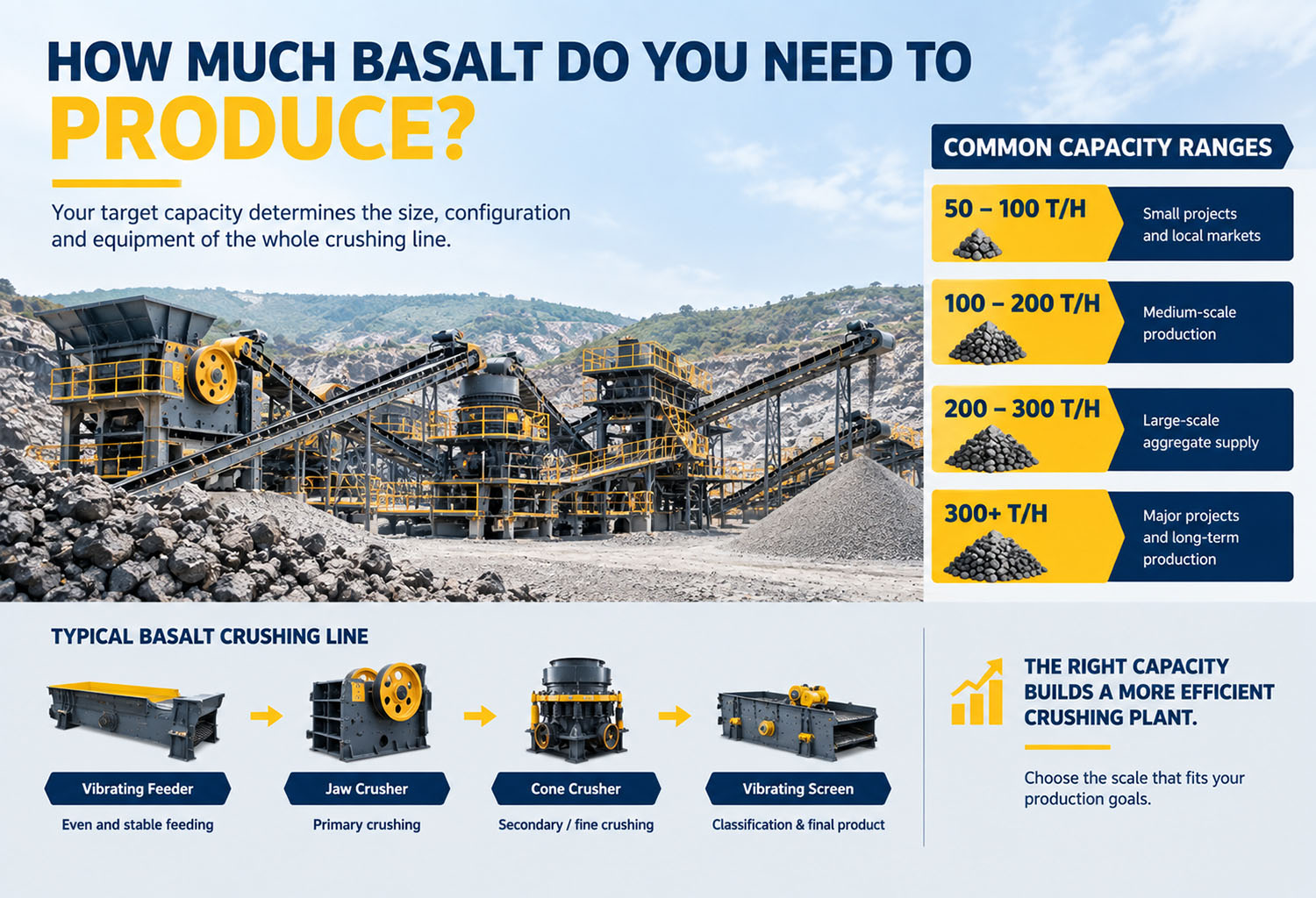
| Required Capacity | Configuration Direction |
|---|---|
| 50–100 T/H | Small jaw crusher + small cone crusher + vibrating screen |
| 100–200 T/H | Medium jaw crusher + cone crusher + multi-deck screen |
| 200–300 T/H | Large jaw crusher + medium or large cone crusher + return screening system |
| Above 300 T/H | Large jaw crusher + multiple cone crushers or multi-stage crushing and screening |
These capacity ranges provide a general configuration direction and are not guaranteed production values. Final equipment selection requires the feed size, product sizes, basalt characteristics, CSS and expected operating hours.
Four Parameters to Confirm
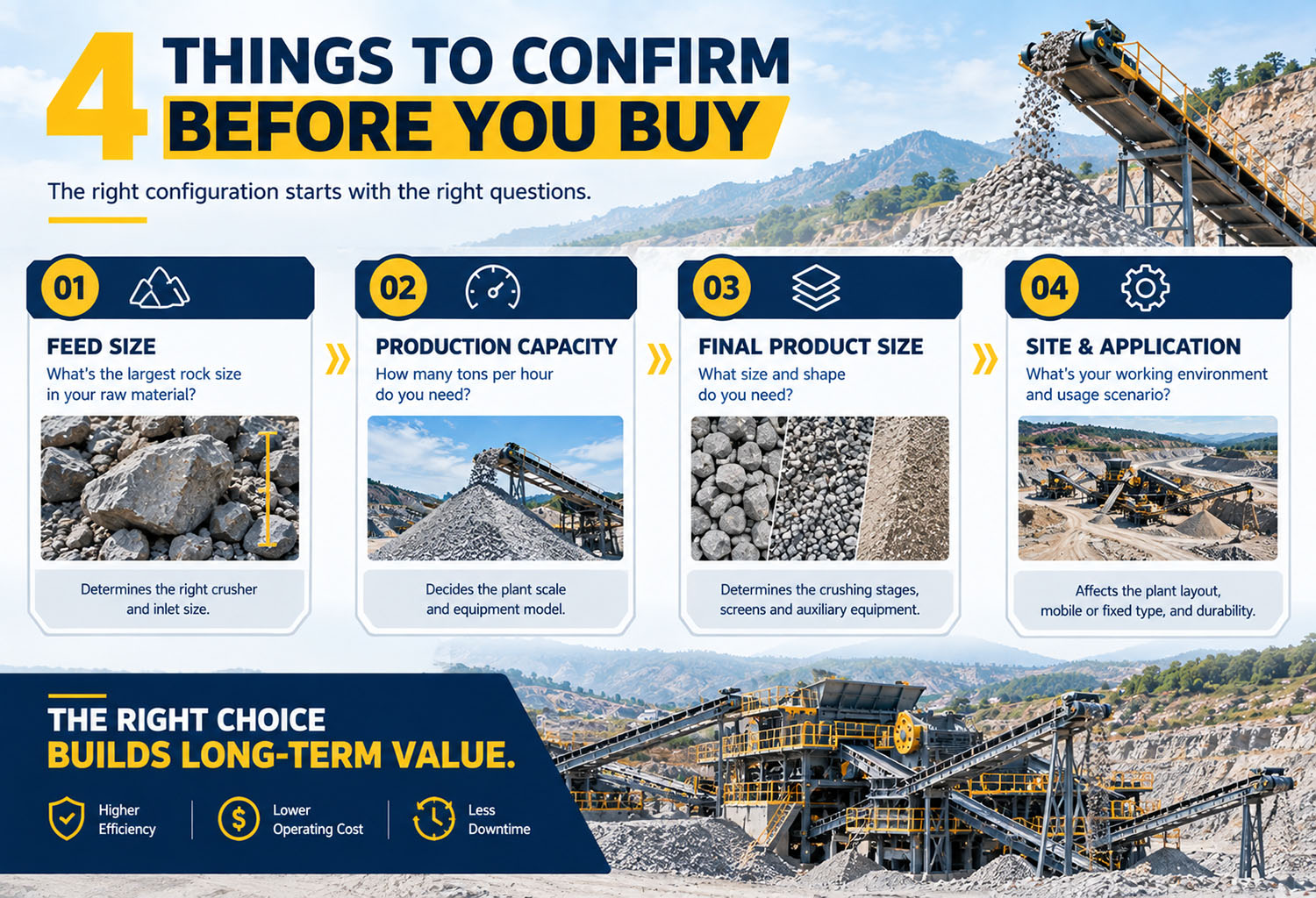
Send these four parameters before selecting a basalt crusher plant:
| Parameter | Example | Why It Matters |
|---|---|---|
| Maximum feed size | 500 mm | Determines the jaw crusher feed opening. |
| Required capacity | 200 T/H | Determines the size and number of crushers. |
| Final product sizes | 0–5, 5–10 and 10–20 mm | Determines the crushing stages and screen arrangement. |
| Plant type | Fixed or mobile | Determines the installation and equipment arrangement. |
If available, also provide basalt photos or a material test report. The rock name alone cannot describe every difference in hardness and abrasiveness.
For general crushed-stone market and production information, visit the USGS Crushed Stone Statistics and Information page.
Common Selection Mistakes
| Mistake | Better Approach |
|---|---|
| Selecting equipment only by price | Compare capacity, wear cost, downtime and service support. |
| Using an unsuitable secondary crusher | Use a cone crusher for long-term hard and abrasive basalt crushing. |
| Ignoring the largest feed rock | Select the jaw crusher from the maximum occasional feed size. |
| Checking only crusher capacity | Match the feeder, crusher, screen and conveyors. |
| Making the jaw crusher CSS too small | Let the secondary crusher complete the required size reduction. |
| Ignoring wear-part planning | Prepare jaw plates, mantle and concave before replacement is required. |
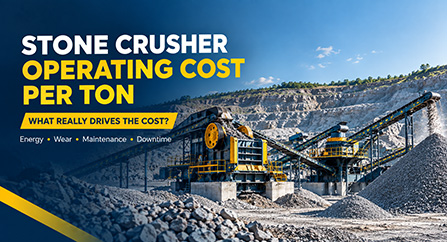
For basalt plant operating-cost planning, read the Stone Crusher Operating Cost Per Ton Guide.
Frequently Asked Questions
What crusher is best for basalt?
A jaw crusher is normally used for primary basalt crushing, followed by a cone crusher for secondary or fine crushing.
Can an impact crusher crush basalt?
Yes, but abrasive basalt may increase blow-bar wear. For continuous basalt production, compare the impact crusher’s wear cost per tonne with a cone crusher solution.
How many crushing stages does basalt need?
Standard basalt aggregate normally requires primary and secondary crushing. Smaller aggregate or manufactured sand may require an additional fine-crushing or sand-making stage.
What capacity can a basalt crushing plant produce?
Basalt crushing plants can be configured for small, medium or large capacities. The actual output depends on feed size, basalt properties, equipment models, CSS, screen capacity and product requirements.
What information is needed to select a basalt crusher plant?
Provide the maximum feed size, required TPH, final product sizes and whether the project needs a fixed or mobile plant.
Request a Basalt Crushing Plant Configuration
Planning a basalt crushing plant? Send HAMAC your maximum feed size, required capacity, final product sizes and plant type. Our technical team can recommend a suitable basalt crushing process and equipment configuration.