



How to Select a Sand Making Machine for Manufactured Sand Production
Manufactured sand, also called M sand or artificial sand, is produced by crushing, shaping, screening and sometimes washing natural rock, quarry waste, river stone, construction waste or other suitable raw materials. High-quality manufactured sand can be used for concrete, mortar, asphalt mixtures, precast products, road construction and infrastructure projects.
Selecting the right sand making machine is important because the machine directly affects sand shape, particle-size distribution, powder content, production capacity, energy consumption, wear-part cost and overall profitability. A suitable sand making machine should match the raw material, required output, finished-sand specification and operating conditions of the project.
Quick Answer: How to Choose a Sand Making Machine
For hard and abrasive materials such as granite, basalt and river stone, a VSI sand making machine is commonly selected because it can produce more cubical particles and good-quality manufactured sand. For softer materials such as limestone, an impact crusher or other suitable crushing equipment may be considered depending on the required capacity and final product specification.
Before choosing a machine, confirm the raw material type, maximum feed size, target capacity, required finished-sand sizes, moisture content, powder-content requirement, washing requirement, local power supply and available maintenance support.
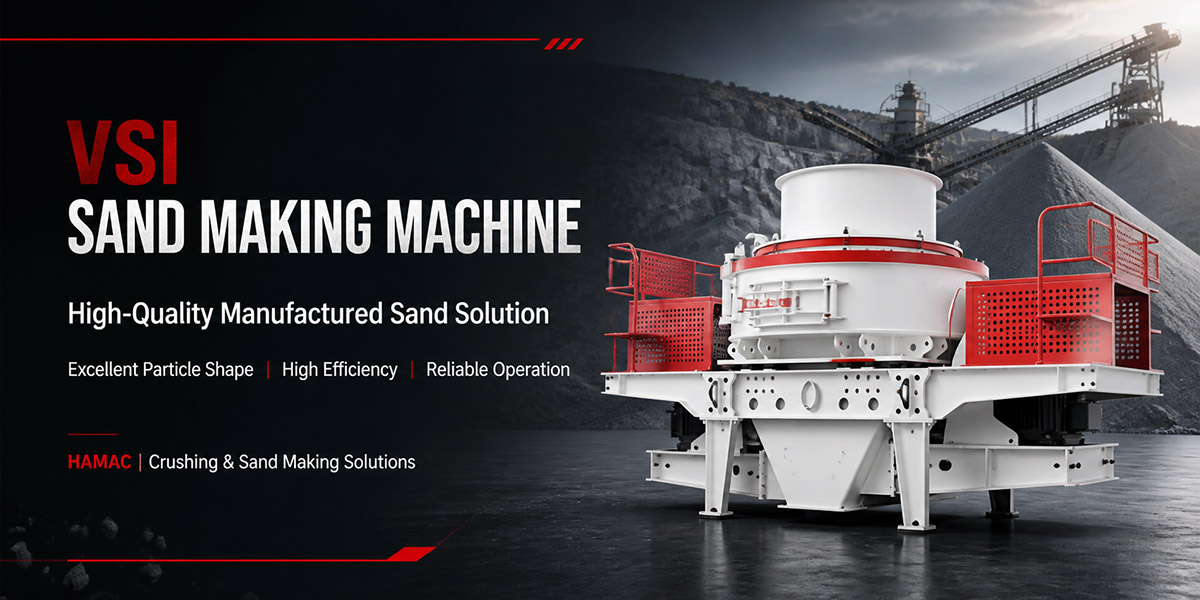
What Is a Sand Making Machine?
A sand making machine is equipment used to turn crushed stone into fine aggregate or manufactured sand. In a complete sand production line, the sand maker is usually installed after primary and secondary crushing equipment. It receives properly sized feed material and further crushes and shapes the stone into sand-sized particles.
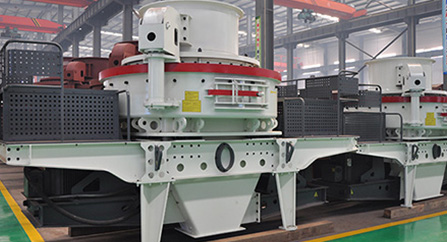
A VSI sand making machine, also called a vertical shaft impact crusher, uses high-speed rotor action to accelerate material and crush it through impact. Depending on the configuration, the material may collide with rock lining, anvil surfaces or other material inside the crushing chamber. This process can help improve particle shape and reduce flaky or elongated particles.
Step 1: Identify Your Raw Material
Raw material is the first factor in sand making machine selection. Different rocks have different hardness, compressive strength, abrasiveness, moisture level, clay content and natural fracture characteristics. These factors affect machine selection, production capacity and wear-part consumption.
Hard and abrasive materials can produce high-quality manufactured sand, but they may also increase rotor, liner, anvil and other wear-part costs. Materials with high clay, mud or moisture content may require washing, pre-screening or special process design to maintain stable production.
| Raw Material | Key Characteristics | Recommended Sand Making Direction |
|---|---|---|
| Granite | Hard, abrasive and suitable for high-strength aggregate | Jaw crusher + cone crusher + VSI sand making machine + screen |
| Basalt | Hard rock with good potential for cubical sand | Jaw crusher + cone crusher + VSI sand making machine + screen |
| River Stone | Hard, smooth and usually requires multi-stage crushing | Jaw crusher + cone crusher + VSI sand making machine |
| Limestone | Medium hardness and relatively easy to crush | Impact crusher or VSI sand making machine depending on final specification |
| Construction Waste | May contain concrete, bricks, steel and impurities | Impact crusher + magnetic separator + screen + optional sand making system |
| Quarry Tailings | Fine material that may require classification and washing | Screening + sand washing + dewatering + fine sand recovery system |
Step 2: Check Feed Size Before Choosing a VSI Sand Maker
A sand making machine should receive correctly sized feed material. Oversized stones can reduce efficiency, cause unstable operation and increase wear. In most sand production processes, large rock is first reduced by a jaw crusher and then by a cone crusher or impact crusher before entering the sand making machine.
The actual feed-size requirement depends on the selected machine model and production-line design. When requesting a quotation, provide the maximum feed size after secondary crushing, not only the original stone size from the quarry.
A stable and properly graded feed improves the efficiency of the sand making machine. A vibrating feeder, screening system and return conveyor can help ensure that oversized materials are returned for further crushing instead of entering the sand maker.
Step 3: Define Capacity and Finished Sand Requirements
Production capacity is usually measured in tons per hour. The required capacity should be based on actual market demand, operating hours, material properties and future expansion plans. A small project may need 30–50 tons per hour, while a commercial aggregate or concrete-sand plant may require 100 TPH, 200 TPH or more.
Do not choose a sand making machine based only on the highest theoretical capacity. Actual output may change according to material hardness, moisture, feed-size distribution, screen settings, finished-sand fineness, rotor speed and operator practice.
| Project Requirement | Important Selection Factor | Suggested Equipment Direction |
|---|---|---|
| 30–50 TPH small sand plant | Lower investment and simple operation | Compact crushing, sand making and screening configuration |
| 50–100 TPH aggregate sand production | Stable output and multiple finished sizes | Crusher + VSI sand maker + vibrating screen |
| 100–200 TPH commercial M sand plant | High output, grading control and sand quality | Multi-stage crushing + VSI + screen + washing system |
| High-quality concrete sand | Cubical shape, controlled fines and clean material | VSI sand maker + classification + washing or dry separation |
| Road base and low-specification sand | Cost control and practical grading | Crusher + screen + simplified sand making system |
Step 4: Consider Sand Shape, Grading and Powder Content
High-quality manufactured sand should have suitable particle shape, controlled grading and acceptable powder content for its final application. Concrete sand, mortar sand, asphalt sand and road-construction sand may have different local standards and customer requirements.
A VSI sand making machine is often selected because it can help improve particle shape. Cubical particles can improve the workability of concrete and reduce the amount of cement paste required in some applications. However, final sand quality depends on the whole production line, including raw material quality, crushing stages, screening, washing, classification and process control.
Too much powder or clay can affect concrete performance and reduce the commercial value of manufactured sand. If the raw material contains excessive dust, clay or fine particles, consider adding a sand washing machine, hydrocyclone, dewatering screen or fine sand recovery system.
VSI Sand Making Machine vs Other Crushing Equipment
| Equipment Type | Main Function | Best Application | Key Consideration |
|---|---|---|---|
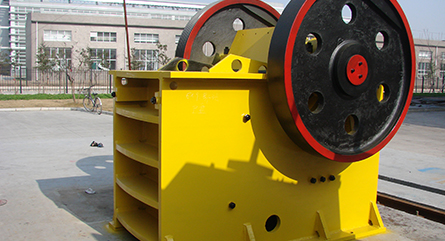
| Jaw Crusher | Primary crushing of large raw stone | Large granite, basalt, river stone and quarry feed | Usually not used alone for final manufactured sand |
| Cone Crusher | Secondary and tertiary crushing of hard rock | Granite, basalt and pre-crushed stone | Often used before a VSI sand making machine |
| Impact Crusher | Crushing and shaping medium-hard materials | Limestone, concrete recycling and softer rock | Wear cost should be evaluated for abrasive materials |
| VSI Sand Making Machine | Fine crushing and particle shaping | Manufactured sand and high-quality fine aggregate | Requires suitable feed size and wear-part management |
| Sand Washing Machine | Removing mud, clay and excess fine particles | Washed sand and concrete-sand production | Requires water management and sludge treatment |
Step 5: Decide Whether You Need Sand Washing Equipment
Not every manufactured sand plant requires wet washing. The decision depends on the raw material cleanliness, clay content, powder content, local environmental requirements, water availability and final sand specification.
A wet sand washing system can improve sand cleanliness and reduce unwanted fine material. However, it also requires water, sedimentation management, wastewater treatment and additional operating cost. In water-limited areas, a dry sand classification system may be a more suitable solution.
For projects producing high-quality concrete sand, it is important to test the raw material and final product. A suitable process may include vibrating screening, sand washing, hydrocyclone separation, dewatering and fine sand recovery.
Typical Manufactured Sand Production Line
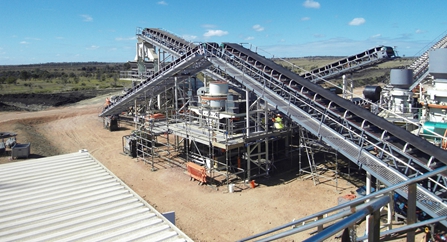
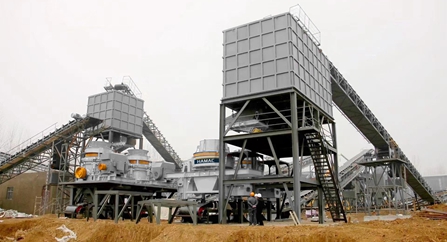
A complete manufactured sand production line is designed according to raw material, capacity, final product specification and site conditions. For hard rock such as granite and basalt, a common configuration includes primary crushing, secondary crushing, sand making, screening and optional washing.
| Equipment | Main Function |
|---|---|
| Vibrating Feeder | Feeds raw stone into the crushing system at a stable rate |
| Jaw Crusher | Performs primary crushing of large raw stone |
| Cone Crusher or Impact Crusher | Performs secondary crushing and prepares suitable feed for sand making |
| VSI Sand Making Machine | Produces manufactured sand and improves particle shape |
| Vibrating Screen | Separates finished sand and returns oversized material for further crushing |
| Sand Washing Machine | Removes mud, clay and excessive fine particles when required |
| Dewatering Screen and Fine Sand Recovery System | Reduces moisture and recovers valuable fine sand |
| Belt Conveyors | Transfers materials between machines and stockpiles final products |
Step 6: Evaluate Wear Parts and Maintenance Cost
The sand making machine price is only one part of the total investment. For hard and abrasive materials, wear parts can become a major operating cost. Before selecting a VSI sand making machine, ask the supplier about rotor parts, liners, anvils, lubrication system, maintenance access, spare-parts availability and expected replacement intervals.
A machine with easy maintenance access and reliable spare-parts support can reduce downtime and improve long-term profitability. It is also important to select the correct rotor configuration and crushing chamber type according to the material characteristics and final product requirements.
Regular inspection of rotor components, wear liners, belts, bearings, lubrication systems and vibration levels helps maintain stable output and protects the machine from unnecessary damage.
Questions to Ask Before Buying a Sand Making Machine
- What material will be processed, and what is its hardness and abrasiveness?
- What is the maximum feed size after primary and secondary crushing?
- What capacity is required in tons per hour?
- What finished-sand sizes and grading are required by local customers?
- What powder-content and clay-content limits apply to the final product?
- Is sand washing required, and is sufficient water available?
- What are the expected wear-part costs for the selected raw material?
- Can the supplier provide installation guidance, spare parts and technical support?
- Can the production line be expanded when demand increases?
Frequently Asked Questions About Sand Making Machines
Which sand making machine is best for granite?
For granite, a VSI sand making machine is commonly used after jaw crushing and cone crushing. Granite is hard and abrasive, so the machine configuration should focus on wear resistance, stable feed size, suitable rotor design and reliable spare-parts support.
Can a VSI sand making machine produce concrete sand?
Yes. A VSI sand making machine can be used to produce manufactured sand for concrete when the raw material is suitable and the complete process includes proper crushing, screening, classification and, if required, washing. Final sand quality should be tested according to local concrete-sand standards.
What is the ideal feed size for a sand making machine?
The ideal feed size depends on the machine model and raw material. In most cases, the sand maker receives pre-crushed material from a cone crusher, impact crusher or screening system. Always confirm the maximum feed-size requirement with the equipment supplier before purchase.
Do I need a sand washing machine?
You may need a sand washing machine if the raw material contains clay, mud, excessive dust or unwanted fine particles. If water is limited, a dry classification system may be considered instead. The best solution depends on final sand quality requirements and local environmental conditions.
Get a Manufactured Sand Production Solution from HAMAC
HAMAC provides crushers, sand making machines, vibrating screens, sand washing equipment, conveyors and complete manufactured sand production solutions. Our technical team can recommend a suitable plant configuration according to your raw material, feed size, required capacity, final sand specification and project budget.
Send us your material type, maximum feeding size, required output and finished-sand requirements. HAMAC can provide equipment selection, process flow, plant layout suggestion and quotation for your manufactured sand production project.
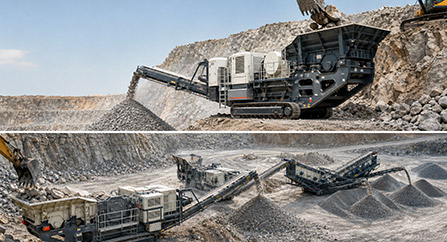
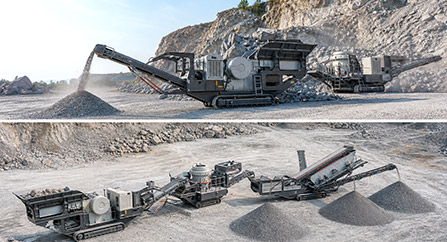
To select the right mobile jaw crusher or mobile cone crusher, please provide your raw material, feeding size, capacity and required final sizes.
Contact HAMAC for Solution